Osteoporosis: Understanding the “Silent” Bone Disease
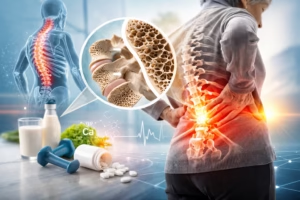
Osteoporosis is a common yet often overlooked condition that weakens bones and makes them more prone to fractures. Often called a “silent disease,” osteoporosis can progress without noticeable symptoms until a fracture occurs. With aging populations worldwide, it has become a major public health concern—especially among older adults and postmenopausal women.
This article explores what osteoporosis is, why it happens, how it is diagnosed and treated, and what steps can help reduce risk—all in clear, medically accurate terms.
Overview / Definition
Osteoporosis is a chronic condition characterized by:
- Decreased bone mass
- Deterioration of bone tissue
- Increased bone fragility and fracture risk
Healthy bones are living tissues that continuously remodel—old bone is broken down and replaced with new bone. In osteoporosis, bone breakdown outpaces bone formation, leading to porous and weaker bones. Under a microscope, osteoporotic bone looks less dense and more like a honeycomb with enlarged spaces.
Common Fracture Sites
Osteoporosis most frequently affects:
- Hip
- Spine (vertebrae)
- Wrist
Fractures in these areas can significantly affect mobility, independence, and overall quality of life.
Causes and Risk Factors
Osteoporosis develops due to a combination of biological, hormonal, and lifestyle factors.
Non-Modifiable Risk Factors
- Advanced age
- Female sex (especially postmenopausal women)
- Family history of osteoporosis or fractures
- Low body weight or small body frame
- Certain ethnic backgrounds (e.g., Caucasian or Asian ancestry)
Modifiable Risk Factors
- Low calcium and vitamin D intake
- Physical inactivity
- Smoking
- Excessive alcohol consumption
- Long-term use of corticosteroids
- Hormonal conditions, such as:
- Estrogen deficiency after menopause
- Low testosterone in men
- Medical conditions, including:
- Rheumatoid arthritis
- Thyroid disorders
- Malabsorption syndromes
Bone loss accelerates rapidly in women after menopause due to declining estrogen levels, a hormone that plays a key role in maintaining bone density.
Symptoms and Clinical Presentation
One of the most challenging aspects of osteoporosis is that it often causes no symptoms in early stages.
Possible Signs and Complications
- Fragility fractures (fractures from minor falls or minimal trauma)
- Back pain due to vertebral fractures
- Loss of height over time
- Stooped posture (kyphosis or “dowager’s hump”)
In many cases, a fracture—especially of the hip or spine—is the first indication of osteoporosis.
Diagnosis and Screening
Bone Mineral Density (BMD) Testing
The primary diagnostic tool for osteoporosis is a dual-energy X-ray absorptiometry (DEXA or DXA) scan, which measures bone mineral density.
Results are reported as a T-score:
- Normal: T-score of -1.0 or above
- Osteopenia (low bone mass): Between -1.0 and -2.5
- Osteoporosis: -2.5 or lower
Who Should Be Screened?
Screening is typically recommended for:
- Women aged 65 and older
- Men aged 70 and older
- Postmenopausal women and older men with risk factors
- Adults with a history of low-trauma fractures
Healthcare providers may also use tools like the FRAX score to estimate a person’s 10-year risk of fracture.
Treatment and Management Options
The goals of osteoporosis treatment are to:
- Reduce fracture risk
- Maintain or improve bone density
- Manage pain and disability from fractures
Lifestyle and Nutritional Measures
- Adequate calcium intake (through diet and supplements if needed)
- Vitamin D supplementation
- Regular weight-bearing exercise
- Fall prevention strategies
Medications
Several medications have been shown to reduce fracture risk:
1. Bisphosphonates
Common first-line treatments:
- Alendronate
- Risedronate
- Zoledronic acid
They work by slowing bone breakdown.
2. Denosumab
A monoclonal antibody that reduces bone resorption.
3. Selective Estrogen Receptor Modulators (SERMs)
Such as raloxifene, used in certain postmenopausal women.
4. Anabolic (Bone-Building) Agents
- Teriparatide
- Abaloparatide
- Romosozumab
These stimulate new bone formation and are often reserved for patients at very high fracture risk.
Treatment choice depends on individual fracture risk, medical history, and tolerability of medications.
Prevention and Lifestyle Considerations
While some risk factors cannot be changed, many preventive measures can significantly reduce the likelihood of developing osteoporosis or experiencing fractures.
1. Nutrition
- Consume calcium-rich foods:
- Dairy products
- Leafy green vegetables
- Fortified plant-based milks
- Ensure adequate vitamin D from sunlight exposure, diet, or supplements
2. Exercise
Engage in:
- Weight-bearing activities (walking, jogging, dancing)
- Resistance training
- Balance exercises (such as tai chi or yoga) to reduce falls
3. Avoid Harmful Habits
- Quit smoking
- Limit alcohol consumption
4. Fall Prevention at Home
- Remove tripping hazards
- Ensure adequate lighting
- Use handrails and grab bars when needed
Preventing falls is just as important as strengthening bones, especially in older adults.
Conclusion
Osteoporosis is a common but preventable and treatable condition marked by weakened bones and increased fracture risk. Because it progresses silently, early screening, especially in high-risk individuals, is crucial. A combination of proper nutrition, regular exercise, appropriate medical therapy, and fall prevention strategies can significantly reduce complications.
If you have concerns about your bone health or risk factors for osteoporosis, consult a qualified healthcare professional for evaluation and guidance.
Disclaimer:
This article is intended for educational purposes only and does not constitute medical advice. For personalized recommendations, diagnosis, or treatment, please consult a licensed healthcare provider.