Orthotics: Understanding Their Role in Foot Health and Whole-Body Alignment
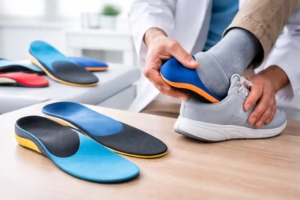
Foot pain, knee discomfort, or even lower back problems often begin with something surprisingly simple: how your feet interact with the ground. Orthotics are medically designed devices that support, align, or improve the function of the feet and lower limbs. While they are commonly associated with shoe inserts, orthotics serve a much broader role in musculoskeletal health.
In this article, we’ll explore what orthotics are, who may benefit from them, how they’re prescribed, and what you should know before using them.
Overview / Definition
Orthotics (also called orthoses) are medical devices worn inside shoes or attached to other parts of the body to support, align, prevent, or correct deformities and improve function. In this article, we focus primarily on foot orthotics, the most commonly used type.
There are two main categories:
1. Functional Orthotics
- Designed to control abnormal motion
- Made from semi-rigid materials
- Commonly prescribed for biomechanical issues such as overpronation
2. Accommodative Orthotics
- Softer and designed to cushion and relieve pressure
- Often used for diabetic foot care or arthritic conditions
Orthotics may be:
- Custom-made (based on a mold or 3D scan of your foot)
- Semi-custom (modified prefabricated devices)
- Over-the-counter (OTC) inserts
They differ from simple shoe insoles in that medical orthotics are specifically designed to address structural and biomechanical concerns.
Causes or Risk Factors Addressed by Orthotics
Orthotics are not a treatment for a disease itself but are commonly prescribed to address conditions resulting from abnormal biomechanics, structural abnormalities, or repetitive stress.
Common conditions include:
- Plantar fasciitis
- Flat feet (pes planus)
- High arches (pes cavus)
- Tendonitis (e.g., posterior tibial tendon dysfunction)
- Bunions (hallux valgus)
- Heel spurs
- Shin splints
- Knee pain related to alignment issues
- Diabetic foot complications
- Arthritis affecting the foot or ankle
Risk factors that may increase the need for orthotic support include:
- Prolonged standing or repetitive stress (e.g., athletes, healthcare workers)
- Obesity
- Aging (loss of natural fat padding under the heel)
- Poorly fitting footwear
- Structural foot variations
- Diabetes or peripheral neuropathy
Symptoms or Clinical Presentation
Individuals who may benefit from orthotics often experience:
- Persistent heel or arch pain
- Foot fatigue with prolonged standing
- Uneven shoe wear
- Ankle instability
- Knee, hip, or lower back discomfort
- Calluses or pressure sores
- Numbness or tingling in the feet
Because the feet serve as the foundation of the body, poor alignment can cause symptoms extending beyond the foot itself.
Diagnosis or Screening
Orthotics are typically recommended following an evaluation by a qualified healthcare professional such as a:
- Podiatrist
- Orthopedic specialist
- Physical therapist
- Sports medicine physician
The evaluation may include:
- Detailed medical history
- Gait analysis
- Foot structure assessment
- Pressure distribution testing
- Imaging (e.g., X-rays) in cases of structural abnormalities
For individuals with diabetes, routine foot screenings are essential to prevent ulcer formation and complications.
Proper diagnosis is crucial because not all foot pain requires orthotics, and incorrect use can sometimes worsen symptoms.
Treatment or Management Options
Orthotics are often part of a broader management plan. Depending on the condition, treatment may include:
Orthotic Support
Custom or prefabricated devices tailored to the following goals:
- Redistributing pressure
- Correcting biomechanical alignment
- Absorbing shock
- Improving stability
Complementary Therapies
Orthotics are frequently combined with:
- Physical therapy
- Stretching and strengthening exercises
- Anti-inflammatory medications (when indicated)
- Weight management strategies
- Supportive footwear
For example, plantar fasciitis management often includes:
- Calf stretching
- Night splints
- Activity modification
- Temporary use of orthotic inserts
In diabetic patients, specialized accommodative orthotics help reduce high-pressure areas and lower the risk of ulcers.
Prevention or Lifestyle Considerations
While orthotics can provide substantial support, lifestyle habits play an equally important role in foot health.
Preventive Strategies
- Wear properly fitted, supportive shoes
- Replace worn-out footwear regularly
- Maintain a healthy body weight
- Stretch calf muscles and plantar fascia regularly
- Gradually increase exercise intensity
- Perform strengthening exercises for foot and ankle muscles
For athletes, sport-specific footwear and training surface considerations can significantly reduce repetitive stress injuries.
Custom vs. Over-the-Counter Orthotics
Many people wonder whether custom orthotics are superior to store-bought inserts.
Here is a general comparison:
| Feature | Custom Orthotics | OTC Inserts |
|---|---|---|
| Cost | Higher | Lower |
| Personalization | Fully individualized | Generic |
| Best for | Structural abnormalities, chronic conditions | Mild discomfort |
| Durability | Longer-lasting | Moderate |
Evidence suggests that for some common conditions such as mild plantar fasciitis, high-quality prefabricated orthotics may be effective. However, complex or severe biomechanical issues may benefit from customized devices.
Potential Risks or Considerations
Orthotics are generally safe, but potential concerns include:
- Initial discomfort during adjustment period
- Poor fit leading to increased pain
- Altered gait if improperly prescribed
- Over-reliance without addressing underlying weakness
A gradual break-in period is usually recommended to allow the body to adapt.
Conclusion
Orthotics are medically designed devices that help support foot function, correct alignment, and relieve pain related to biomechanical or structural issues. They can play an important role in managing conditions such as plantar fasciitis, flat feet, diabetic foot complications, and alignment-related joint pain.
However, orthotics are most effective when appropriately prescribed and used as part of a comprehensive care plan. Proper footwear, exercise, and professional evaluation remain essential components of long-term musculoskeletal health.
Disclaimer:
This article is for educational purposes only and does not constitute medical advice. If you are experiencing foot pain or related symptoms, consult a qualified healthcare professional for a thorough evaluation and individualized recommendations.