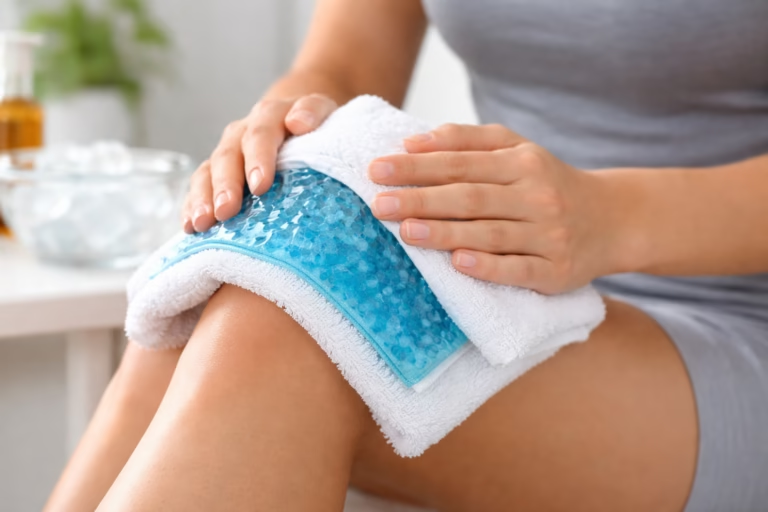
Orthopedics: Understanding Bone and Joint Health
Orthopedics is a vital branch of medicine dedicated to the diagnosis, treatment, prevention, and rehabilitation of conditions affecting the musculoskeletal system. This system includes bones, joints, muscles, ligaments, tendons, and nerves — all of which work together to help us move, support our bodies, and maintain posture.
Whether addressing a sports injury, chronic arthritis, or complex spinal disorders, orthopedics plays a central role in preserving mobility and quality of life. This article provides an educational overview of orthopedics, including common conditions, diagnostic approaches, treatment options, and strategies for prevention.
Overview / Definition
Orthopedics (also called orthopedic medicine or orthopedic surgery) focuses on disorders of the musculoskeletal system. Orthopedic specialists — known as orthopedic surgeons or orthopedists — manage both surgical and non-surgical conditions.
Common areas within orthopedics include:
- Joint disorders (knees, hips, shoulders, elbows)
- Spine conditions (neck and back problems)
- Sports medicine
- Trauma and fractures
- Hand and wrist conditions
- Pediatric orthopedics
- Bone tumors
- Degenerative diseases (e.g., osteoarthritis)
Orthopedic care spans from treating acute injuries like fractures to managing chronic diseases such as arthritis that develop gradually over time.
Causes or Risk Factors
Musculoskeletal disorders arise from a variety of factors. Some conditions are injury-related, while others stem from degeneration, genetics, or systemic disease.
Common Causes
- Trauma or injury (falls, sports injuries, accidents)
- Overuse or repetitive strain
- Age-related degeneration
- Congenital abnormalities
- Inflammatory or autoimmune diseases
- Infections affecting bones or joints
Risk Factors
- Increasing age
- Obesity
- Sedentary lifestyle
- Physically demanding occupations
- High-impact sports participation
- Family history of musculoskeletal disorders
- Poor posture or ergonomic habits
Understanding these risk factors can help individuals take steps to reduce their chances of developing orthopedic conditions.
Symptoms or Clinical Presentation
Symptoms of orthopedic conditions vary depending on the structure involved but often include:
- Persistent joint or bone pain
- Swelling or inflammation
- Stiffness or reduced range of motion
- Weakness in the affected limb
- Instability (e.g., knee “giving out”)
- Deformity or visible misalignment
- Numbness or tingling (if nerves are involved)
Pain may be acute (sudden and severe) or chronic (lasting more than three months). In some cases, symptoms gradually worsen over time.
Diagnosis or Screening
Orthopedic evaluation begins with a detailed medical history and physical examination. Specialists assess movement, strength, stability, alignment, and areas of tenderness.
Diagnostic Tools May Include:
- X-rays – Evaluate fractures, arthritis, and alignment issues
- MRI (Magnetic Resonance Imaging) – Visualizes soft tissues like ligaments and cartilage
- CT scans – Provide detailed views of complex fractures or bone structures
- Ultrasound – Useful for soft-tissue injuries
- Bone scans – Identify fractures, infections, or tumors
- Laboratory tests – Detect inflammation or autoimmune markers
Early diagnosis is important to prevent complications and improve long-term outcomes.
Treatment or Management Options
Orthopedic care includes both non-surgical and surgical approaches. Treatment plans are individualized based on diagnosis, severity, patient age, activity level, and overall health.
Non-Surgical Management
Many musculoskeletal conditions improve without surgery. Conservative treatments may include:
- Physical therapy and rehabilitation
- Activity modification
- Weight management
- Bracing or assistive devices
- Pain relievers (e.g., NSAIDs)
- Corticosteroid injections
- Hyaluronic acid injections (for certain joint conditions)
These treatments aim to reduce pain, restore function, and strengthen surrounding muscles.
Surgical Options
Surgery may be considered when conservative treatment fails or when structural damage is severe.
Common orthopedic procedures include:
- Arthroscopy (minimally invasive joint surgery)
- Joint replacement (hip, knee, shoulder)
- Fracture repair with plates, screws, or rods
- Ligament reconstruction (e.g., ACL repair)
- Spinal decompression or fusion
Advances in minimally invasive techniques have shortened recovery times and improved surgical precision.
Prevention or Lifestyle Considerations
Many orthopedic conditions can be prevented or managed with healthy lifestyle habits.
Evidence-Based Prevention Strategies:
- Maintain a healthy body weight to reduce joint stress
- Engage in regular, low-impact exercise (e.g., walking, swimming)
- Strengthen core and stabilizing muscles
- Use proper techniques during sports and lifting
- Prioritize ergonomic posture at workstations
- Incorporate flexibility and balance exercises
- Ensure adequate calcium and vitamin D intake for bone health
Athletes may benefit from cross-training to prevent overuse injuries.
Conclusion
Orthopedics is a comprehensive medical specialty dedicated to keeping people mobile, active, and pain-free. From treating sports injuries and fractures to managing chronic arthritis and spinal disorders, orthopedic care focuses on restoring musculoskeletal health and improving quality of life.
Early recognition of symptoms, accurate diagnosis, and appropriately tailored treatment — whether conservative or surgical — significantly influence outcomes. Preventive lifestyle strategies also play a critical role in maintaining bone and joint health throughout life.
Disclaimer
This article is intended for educational purposes only and does not constitute medical advice. If you are experiencing symptoms related to bones, joints, muscles, or the spine, consult a qualified healthcare professional for personalized evaluation and treatment recommendations.