
Non‑Hodgkin Lymphoma: Symptoms, Causes, Diagnosis, and Treatment
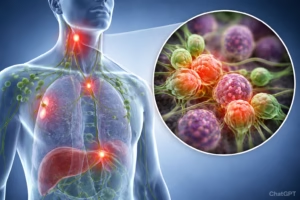
Non‑Hodgkin lymphoma (NHL) is a type of cancer that begins in the lymphatic system—a critical part of the body’s immune defense. While hearing the word “lymphoma” can be alarming, advances in medical science have significantly improved diagnosis, treatment options, and survival rates. Many forms of non‑Hodgkin lymphoma are treatable, and some are even highly curable, especially when detected early.
In this article, we’ll explore what non‑Hodgkin lymphoma is, its causes and symptoms, how it’s diagnosed, and current treatment options—using clear and accessible language grounded in evidence-based medical information.
Overview / Definition
Non‑Hodgkin lymphoma is a broad group of blood cancers that originate in lymphocytes, a type of white blood cell involved in fighting infection. These cancerous cells typically form tumors in lymph nodes but can also affect other parts of the body, including:
- Bone marrow
- Spleen
- Thymus
- Digestive tract
- Skin
- Brain
The lymphatic system includes lymph nodes, lymphatic vessels, and organs that help maintain fluid balance and immune protection.
Hodgkin vs. Non‑Hodgkin Lymphoma
Lymphomas are classified into two main categories:
- Hodgkin lymphoma (HL)
- Non‑Hodgkin lymphoma (NHL)
The distinction is based on how the cancer cells appear under a microscope. NHL is more common and includes more than 60 different subtypes, broadly grouped into:
- B-cell lymphomas (most common)
- T-cell lymphomas
- Indolent (slow-growing) types
- Aggressive (fast-growing) types
Because of this diversity, NHL varies widely in behavior, prognosis, and treatment approach.
Causes and Risk Factors
The exact cause of non‑Hodgkin lymphoma is not fully understood. However, it develops when lymphocytes undergo genetic mutations that cause uncontrolled growth and prevent normal cell death.
Established Risk Factors
Certain factors may increase the risk of developing NHL:
- Age: Risk increases with age, especially over 60 (though some types affect younger individuals).
- Weakened immune system, such as:
- HIV/AIDS
- Organ transplant recipients on immunosuppressive therapy
- Congenital immune deficiencies
- Autoimmune diseases, including:
- Rheumatoid arthritis
- Sjögren syndrome
- Celiac disease
- Chronic infections, such as:
- Epstein-Barr virus (EBV)
- Helicobacter pylori
- Hepatitis B or C
- Exposure to certain chemicals, including some pesticides or industrial solvents
- Radiation exposure
It’s important to note that many people with risk factors never develop lymphoma, while others diagnosed may have no identifiable risk factors.
Symptoms or Clinical Presentation
Symptoms of non‑Hodgkin lymphoma can vary depending on the subtype and areas involved. Some people experience mild symptoms for years (especially with slow-growing forms), while others develop symptoms rapidly.
Common Symptoms
- Painless swelling of lymph nodes (neck, armpit, groin)
- Persistent fatigue
- Fever without infection
- Unexplained weight loss
- Night sweats
- Itchy skin
- Shortness of breath or chest pain (if lymph nodes in the chest are enlarged)
- Abdominal pain or swelling
These systemic symptoms—fever, night sweats, and weight loss—are sometimes called “B symptoms.”
Because many of these signs can resemble other conditions, medical evaluation is essential for accurate diagnosis.
Diagnosis and Screening
There is currently no routine screening test for non‑Hodgkin lymphoma in people without symptoms.
Diagnostic Process
If NHL is suspected, evaluation may include:
- Medical history and physical examination
- Checking for enlarged lymph nodes, liver, or spleen
- Biopsy (Definitive Test)
- Removal of all or part of an enlarged lymph node
- Examined under a microscope to determine subtype
- Imaging tests
- CT scan
- PET scan
- MRI (in certain cases)
- Blood tests
- To assess overall health and organ function
- Bone marrow biopsy
- To determine if cancer has spread
Staging
After diagnosis, staging determines how far the lymphoma has spread. Stages range from:
- Stage I: Involvement of a single lymph node region
- Stage IV: Widespread involvement of organs outside the lymphatic system
Staging guides treatment decisions and helps estimate prognosis.
Treatment and Management Options
Treatment depends on several factors:
- Type and subtype of NHL
- Stage of the disease
- Growth rate (indolent vs. aggressive)
- Patient’s age and overall health
Watchful Waiting
For certain slow-growing lymphomas that are not causing symptoms:
- Close monitoring without immediate treatment
- Regular checkups and imaging
Chemotherapy
- Often the backbone of treatment
- May be used alone or in combination with other therapies
Immunotherapy
Targets specific markers on lymphoma cells. Examples include:
- Monoclonal antibodies (e.g., rituximab for B-cell lymphomas)
- Immune checkpoint inhibitors (in select cases)
Targeted Therapy
These drugs interfere with specific molecular pathways that cancer cells use to grow.
Radiation Therapy
- Often used in early-stage disease or localized involvement
Stem Cell Transplant
- May be considered in relapsed or high-risk cases
- Involves high-dose chemotherapy followed by infusion of healthy stem cells
CAR T‑Cell Therapy
A newer, personalized immunotherapy in which:
- A patient’s T cells are modified to attack cancer cells
- Used in select, resistant cases
Outcomes vary widely. Many aggressive lymphomas respond well to treatment and may be cured, while indolent lymphomas often follow a chronic but manageable course.
Prevention and Lifestyle Considerations
There is no guaranteed way to prevent non‑Hodgkin lymphoma. However, general health practices may support immune function and reduce overall cancer risk:
- Avoid tobacco use
- Limit exposure to harmful chemicals
- Practice safe infection prevention (e.g., hepatitis control)
- Maintain a healthy weight
- Eat a balanced, plant-forward diet
- Stay physically active
Managing chronic medical conditions and keeping vaccinations up to date may also support overall immune health.
Prognosis and Living With NHL
Prognosis depends on:
- Lymphoma subtype
- Stage at diagnosis
- Molecular and genetic features
- Response to therapy
Five-year survival rates have improved significantly over recent decades due to advances in targeted therapies and immunotherapy.
Many individuals live long, active lives after treatment, and some require only intermittent management over many years.
Conclusion
Non‑Hodgkin lymphoma is a diverse group of cancers affecting the lymphatic system. While its presentation and behavior can vary widely, modern medical advances have substantially improved diagnosis, treatment, and survival outcomes.
Key takeaways:
- NHL originates in lymphocytes and includes many subtypes.
- Symptoms often include painless swollen lymph nodes and systemic “B symptoms.”
- Diagnosis requires a biopsy and staging workup.
- Treatment options range from watchful waiting to advanced immunotherapy and stem cell transplantation.
- Early evaluation of persistent symptoms is important.
If you notice unexplained lymph node swelling, persistent fatigue, or other concerning symptoms, seek medical evaluation promptly.
Disclaimer: This article is for educational purposes only and does not substitute for professional medical advice. If you have concerns about your health, please consult a qualified healthcare provider for personalized assessment and treatment recommendations.