Migraines: Understanding the Causes, Symptoms, and Treatment Options
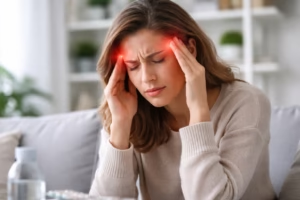
Migraines are far more than “just bad headaches.” They are a complex neurological condition that can significantly impact daily life, productivity, and overall well-being. For many individuals, migraines disrupt work, school, relationships, and routine activities. Despite how common they are, migraines remain misunderstood and often underdiagnosed.
This article provides an evidence-based overview of migraines—including their causes, symptoms, diagnosis, treatment options, and prevention strategies—to help readers better understand this condition.
Overview / Definition
A migraine is a recurrent neurological disorder characterized by episodes of moderate to severe headache, often accompanied by additional symptoms such as nausea and sensitivity to light and sound.
Unlike a typical tension headache, migraine pain:
- Is often throbbing or pulsating
- Usually affects one side of the head (though it can be bilateral)
- Can last 4 to 72 hours
- May worsen with physical activity
There are several types of migraines, including:
- Migraine without aura (most common)
- Migraine with aura (preceded by neurological symptoms)
- Chronic migraine (15 or more headache days per month for over 3 months)
- Vestibular migraine (associated with dizziness or balance issues)
Migraines affect people of all ages but are more common in women, possibly due to hormonal influences.
Causes and Risk Factors
The exact cause of migraines is not fully understood. However, research suggests they involve abnormal brain activity affecting nerve signals, chemicals, and blood vessels in the brain. Neurotransmitters such as serotonin and peptides like calcitonin gene-related peptide (CGRP) play important roles.
Common Risk Factors
- Family history (genetic predisposition)
- Female sex
- Hormonal fluctuations (menstruation, pregnancy, menopause)
- Stress
- Sleep disturbances
- Certain medications
Common Triggers
Although triggers vary by individual, common migraine triggers include:
- Bright lights or loud noises
- Strong smells
- Skipped meals
- Dehydration
- Alcohol (especially red wine)
- Caffeine overuse or withdrawal
- Weather changes
- Hormonal changes in women
Identifying personal triggers is often a key part of migraine management.
Symptoms or Clinical Presentation
Migraine symptoms can progress through different phases. Not everyone experiences all phases.
1. Prodrome (Hours to Days Before Headache)
Early warning signs may include:
- Mood changes
- Fatigue
- Food cravings
- Neck stiffness
- Frequent yawning
2. Aura (In Some Individuals)
Auras are temporary neurological symptoms that usually develop gradually over 5–60 minutes.
Common aura symptoms:
- Visual disturbances (flashing lights, zigzag lines, blind spots)
- Tingling or numbness
- Speech difficulty
3. Headache Phase
- Moderate to severe throbbing pain
- Nausea and/or vomiting
- Sensitivity to light (photophobia)
- Sensitivity to sound (phonophobia)
- Sensitivity to smells (osmophobia)
4. Postdrome (“Migraine Hangover”)
After the headache resolves:
- Fatigue
- Difficulty concentrating
- Mild residual head discomfort
Diagnosis or Screening
There is no single laboratory test for migraines. Diagnosis is primarily based on:
- A detailed medical history
- Description of symptoms
- Frequency and duration of attacks
- Neurological examination
Healthcare providers may use criteria from the International Classification of Headache Disorders (ICHD-3).
Imaging tests (such as MRI or CT scans) are typically not necessary unless:
- Headaches are sudden and severe
- Symptoms change significantly in pattern
- There are abnormal neurological findings
- “Red flag” symptoms are present (e.g., fever, confusion, seizures)
Early diagnosis is important to prevent progression to chronic migraine.
Treatment or Management Options
Migraine treatment aims to:
- Relieve acute symptoms
- Prevent future attacks
- Improve quality of life
Acute (Abortive) Treatments
These are taken at the onset of migraine:
- Over-the-counter pain relievers (e.g., ibuprofen, acetaminophen)
- Triptans (e.g., sumatriptan)
- Gepants (CGRP receptor antagonists)
- Ditans
- Antiemetics for nausea
Early treatment often improves effectiveness.
Preventive (Prophylactic) Treatments
Recommended for individuals with frequent or severe migraines:
- Beta-blockers
- Antidepressants
- Antiseizure medications
- CGRP monoclonal antibodies
- OnabotulinumtoxinA (Botox) for chronic migraine
Preventive therapy is typically considered when migraines occur four or more times per month or significantly impair daily function.
Non-Pharmacologic Therapies
Evidence supports several complementary approaches:
- Cognitive behavioral therapy (CBT)
- Biofeedback
- Relaxation techniques
- Physical therapy (for associated neck pain)
- Acupuncture (in some cases)
Prevention and Lifestyle Considerations
Many individuals can reduce migraine frequency with lifestyle modifications.
Practical Strategies
- Maintain a regular sleep schedule
- Stay adequately hydrated
- Eat balanced meals and avoid skipping meals
- Limit caffeine intake
- Exercise regularly (moderate, consistent activity)
- Manage stress through mindfulness or relaxation practices
- Keep a headache diary to identify triggers
Consistency is key. Small, sustainable changes often produce meaningful results over time.
When to Seek Medical Attention
Prompt medical evaluation is important if a headache:
- Is sudden and severe (“thunderclap” headache)
- Is associated with fever, stiff neck, confusion, or seizures
- Follows head injury
- Differs significantly from usual migraine patterns
These symptoms may indicate a more serious underlying condition.
Conclusion
Migraines are a common yet intricate neurological condition that can profoundly affect quality of life. They are characterized by recurrent, often intense headaches accompanied by neurological and systemic symptoms. Although the exact cause remains complex, advances in understanding brain chemistry and genetics have led to more targeted treatments—especially CGRP-based therapies.
Effective management typically involves a combination of acute treatment, preventive strategies, and lifestyle modifications. With proper diagnosis and individualized care, many people can significantly reduce the frequency and severity of migraine attacks.
Disclaimer: This article is for educational purposes only and does not replace professional medical advice. If you experience recurrent or severe headaches, consult a qualified healthcare professional for evaluation and appropriate management.