Metastatic Breast Cancer: Understanding Advanced Breast Cancer
Breast cancer is one of the most commonly diagnosed cancers worldwide. While many cases are detected early and treated successfully, some cancers spread beyond the breast to other parts of the body. This advanced stage is known as metastatic breast cancer.
Although metastatic breast cancer is not currently considered curable, advances in treatment have significantly improved survival and quality of life. Understanding how it develops, how it is diagnosed, and what treatment options are available can empower patients and families to make informed decisions.
Overview / Definition
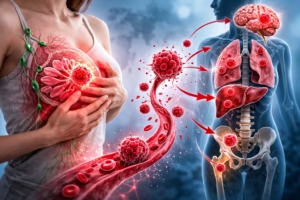
Metastatic breast cancer—also called stage IV breast cancer—occurs when cancer cells from the breast spread (metastasize) to distant organs or tissues.
Common sites of metastasis include:
- Bones
- Lungs
- Liver
- Brain
- Distant lymph nodes
When breast cancer spreads, it is still considered breast cancer and is treated as such. For example, breast cancer that spreads to the liver is not liver cancer—it is metastatic breast cancer in the liver.
Metastasis happens when cancer cells break away from the original tumor, travel through the bloodstream or lymphatic system, and form new tumors elsewhere in the body.
Causes and Risk Factors
Metastatic breast cancer typically develops from:
- Previously diagnosed early-stage breast cancer that recurs after initial treatment
- Breast cancer that was metastatic at initial diagnosis (de novo metastatic breast cancer)
Key factors that may increase the risk of breast cancer recurrence or metastasis include:
- Advanced stage at initial diagnosis
- Large tumor size
- Lymph node involvement
- Aggressive tumor subtypes (e.g., triple-negative breast cancer, HER2-positive breast cancer before targeted therapies were available)
- Incomplete response to initial treatment
Biological characteristics of the tumor also influence behavior, including:
- Hormone receptor status (ER/PR positive or negative)
- HER2 status
- Genetic mutations (e.g., BRCA1, BRCA2)
Not all breast cancers metastasize, and recurrence risk varies widely among individuals.
Symptoms and Clinical Presentation
Symptoms depend on where the cancer has spread. Some people may have few or mild symptoms at first.
Bone Metastases
- Persistent bone pain
- Increased risk of fractures
- Elevated calcium levels (which may cause fatigue, confusion, or nausea)
Lung Metastases
- Shortness of breath
- Persistent cough
- Chest pain
Liver Metastases
- Abdominal discomfort
- Yellowing of the skin or eyes (jaundice)
- Loss of appetite
- Fatigue
Brain Metastases
- Headaches
- Vision changes
- Seizures
- Weakness or coordination problems
General symptoms of advanced cancer may include:
- Fatigue
- Unintended weight loss
- Decreased appetite
- Overall feeling of illness
Because these symptoms can overlap with other conditions, medical evaluation is essential for accurate diagnosis.
Diagnosis and Monitoring
If recurrence is suspected, physicians may perform several tests, including:
Imaging Studies
- CT scan
- PET scan
- MRI
- Bone scan
Laboratory Tests
- Blood tests (including liver function tests and calcium levels)
- Tumor markers (e.g., CA 15-3, CA 27-29), though not diagnostic on their own
Biopsy
A biopsy of the metastatic site is often recommended to:
- Confirm that the tumor is breast cancer
- Reassess hormone receptor and HER2 status
- Identify potential targets for treatment
Accurate diagnosis helps guide treatment planning.
Treatment and Management Options
While metastatic breast cancer is not curable in most cases, treatment focuses on:
- Slowing disease progression
- Relieving symptoms
- Improving or maintaining quality of life
- Prolonging survival
Treatment depends on several factors, including tumor subtype, previous treatments, overall health, and patient preferences.
1. Hormone (Endocrine) Therapy
Used for hormone receptor-positive cancers. Options include:
- Aromatase inhibitors
- Tamoxifen
- Fulvestrant
- CDK4/6 inhibitors in combination with endocrine therapy
2. Targeted Therapy
For cancers with specific molecular features:
- HER2-targeted therapies (e.g., trastuzumab, pertuzumab, antibody-drug conjugates)
- PARP inhibitors for BRCA-mutated cancers
- PI3K or AKT inhibitors in selected cases
3. Chemotherapy
Used when:
- Cancer is rapidly progressing
- Hormonal therapy is ineffective
- The tumor is triple-negative
4. Immunotherapy
May be offered for certain types of triple-negative breast cancer, particularly when tumors express PD-L1.
5. Radiation Therapy
May relieve pain or control specific metastatic sites, such as:
- Painful bone lesions
- Brain metastases
6. Bone-Strengthening Medications
- Bisphosphonates
- Denosumab
These reduce fracture risk and skeletal complications.
7. Palliative and Supportive Care
An essential component at any stage. It focuses on:
- Pain management
- Symptom control
- Emotional and psychological support
Many patients receive ongoing treatment for years, with therapy adjusted as needed.
Prevention and Lifestyle Considerations
There is currently no guaranteed way to prevent metastatic breast cancer. However, strategies that may reduce the risk of initial breast cancer or recurrence include:
- Regular screening mammograms
- Maintaining a healthy body weight
- Engaging in regular physical activity
- Limiting alcohol intake
- Following prescribed treatments after early-stage diagnosis
- Attending routine follow-up appointments
Healthy lifestyle habits cannot replace medical therapy but may contribute positively to overall well-being and recovery.
Emotional and Psychosocial Considerations
A diagnosis of metastatic breast cancer can be emotionally overwhelming. Patients may experience:
- Anxiety
- Depression
- Fear of disease progression
- Concerns about family and work
Support resources include:
- Oncology social workers
- Support groups
- Mental health professionals
- Palliative care teams
Addressing emotional health is a critical part of comprehensive cancer care.
Conclusion
Metastatic breast cancer is an advanced stage of breast cancer in which the disease spreads beyond the breast to distant organs. While it is not currently curable, modern therapies have transformed it into a condition that can often be managed for extended periods.
Advances in hormone therapy, targeted treatments, immunotherapy, and supportive care have improved both survival and quality of life. Early detection, individualized treatment planning, and ongoing monitoring remain essential components of care.
If you or someone you know is experiencing symptoms or has concerns about breast cancer, consulting a qualified healthcare professional is crucial for proper diagnosis and treatment planning.
Disclaimer:
This article is for educational purposes only and does not constitute medical advice. Always seek guidance from a licensed healthcare provider for diagnosis, treatment decisions, and personalized medical care.