Menstrual Cramps: Causes, Symptoms, and Effective Management
Menstrual cramps are a common experience during the reproductive years, affecting millions of individuals worldwide. While mildly uncomfortable cramping can be a normal part of menstruation, for some, the pain can be intense and disruptive to daily life. Understanding why menstrual cramps occur, what symptoms are normal, and when to seek medical care can help individuals manage their cycles more effectively and recognize potential underlying concerns.
In this article, we’ll explore menstrual cramps in detail—from causes and symptoms to diagnosis, treatment, and prevention strategies.
Overview / Definition
Menstrual cramps, medically known as dysmenorrhea, refer to throbbing or cramping pains in the lower abdomen that occur before or during a menstrual period.
There are two main types:
- Primary dysmenorrhea
- The most common type
- Not caused by an underlying medical condition
- Usually begins within a few years after menstruation starts
- Secondary dysmenorrhea
- Caused by a reproductive system disorder
- Often begins later in life
- Symptoms may worsen over time
Primary dysmenorrhea is typically linked to natural hormone changes during the menstrual cycle, whereas secondary dysmenorrhea stems from identifiable medical conditions.
Causes and Risk Factors
What Causes Menstrual Cramps?
During menstruation, the uterus contracts to help shed its lining. These contractions are triggered by hormone-like chemicals called prostaglandins.
- Higher levels of prostaglandins are associated with:
- Stronger uterine contractions
- Increased pain
- Inflammation
Reduced blood flow to uterine tissue during strong contractions may also contribute to discomfort.
Causes of Secondary Dysmenorrhea
Conditions that may cause secondary menstrual cramps include:
- Endometriosis
- Uterine fibroids
- Adenomyosis
- Pelvic inflammatory disease (PID)
- Cervical stenosis
- Intrauterine device (IUD) (in some individuals)
Risk Factors
Certain factors may increase the likelihood of experiencing menstrual cramps:
- Age under 30
- Early onset of menstruation (before age 12)
- Heavy menstrual bleeding
- Smoking
- Family history of dysmenorrhea
- High stress levels
Symptoms or Clinical Presentation
Menstrual cramps typically begin 1–3 days before a period and may peak within 24 hours of onset.
Common Symptoms
- Dull, throbbing, or cramping pain in the lower abdomen
- Pain that radiates to the lower back or thighs
- Nausea
- Diarrhea
- Headache
- Fatigue
In primary dysmenorrhea, pain usually lasts 1–3 days. In secondary dysmenorrhea, symptoms may:
- Start earlier in the cycle
- Last longer than typical menstrual cramps
- Worsen over time
Severe cramps that interfere with school, work, or daily functioning warrant medical evaluation.
Diagnosis or Screening
Medical Evaluation
Diagnosis typically involves:
- A detailed medical history
- Description of pain timing, duration, and severity
- Review of menstrual cycle characteristics
- Physical and pelvic examination (if appropriate)
If secondary dysmenorrhea is suspected, additional testing may include:
- Pelvic ultrasound
- MRI
- Laparoscopy (in selected cases, especially for suspected endometriosis)
- Laboratory testing for infection if indicated
There is no routine screening test for primary dysmenorrhea; it is diagnosed based on symptoms and exclusion of other causes.
Treatment and Management Options
Management depends on severity and whether the condition is primary or secondary.
1. Over-the-Counter Pain Relievers
Nonsteroidal anti-inflammatory drugs (NSAIDs) are typically first-line treatment:
- Ibuprofen
- Naproxen
NSAIDs reduce prostaglandin production and are most effective when taken at the onset of symptoms or just before menstruation begins.
2. Hormonal Therapies
Hormonal contraceptives may reduce cramping by thinning the uterine lining and limiting ovulation. Options include:
- Combination birth control pills
- Progestin-only pills
- Hormonal intrauterine devices (IUDs)
- Contraceptive patch or ring
These may be particularly helpful for individuals with moderate to severe symptoms.
3. Heat Therapy
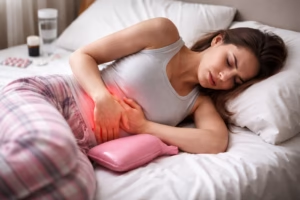
Applying a heating pad or hot water bottle to the lower abdomen may:
- Improve blood flow
- Relax uterine muscles
- Reduce pain intensity
4. Lifestyle Interventions
Some individuals find benefit from:
- Regular physical activity
- Adequate sleep
- Stress reduction strategies such as yoga or meditation
- Balanced nutrition
5. Treatment of Underlying Conditions
If secondary dysmenorrhea is diagnosed, treatment focuses on managing the underlying cause. For example:
- Endometriosis may require hormonal therapy or surgery
- Fibroids may require medication or surgical intervention
- Infections require appropriate antibiotic treatment
Prevention and Lifestyle Considerations
While menstrual cramps cannot always be prevented, certain habits may reduce severity:
- Regular exercise may lower prostaglandin levels over time
- Balanced diet rich in whole foods and low in highly processed items
- Limiting caffeine and excessive salt intake during menstruation
- Smoking cessation
Tracking menstrual cycles using apps or journals can also help identify patterns and prepare proactively for symptom onset.
When to Seek Medical Attention
Consult a healthcare professional if:
- Pain is severe or worsening
- Menstrual cramps suddenly change in pattern
- Periods become unusually heavy or irregular
- Symptoms interfere with daily functioning
- Pain occurs outside of menstruation
These signs may indicate secondary dysmenorrhea or another medical condition requiring evaluation.
Conclusion
Menstrual cramps are a common and often manageable aspect of menstruation. While primary dysmenorrhea results from natural uterine contractions driven by prostaglandins, secondary dysmenorrhea stems from underlying medical conditions that require targeted treatment. Understanding risk factors, symptoms, and available treatment options empowers individuals to seek timely care and adopt strategies that improve comfort and quality of life.
If menstrual pain is severe, persistent, or disruptive, medical evaluation is important to rule out underlying causes and determine appropriate management.
Disclaimer:
This article is intended for informational and educational purposes only. It does not constitute medical advice. Individuals experiencing concerning symptoms or persistent pain should consult a qualified healthcare professional for personalized evaluation and treatment.