Meniscus Injuries: Causes, Symptoms, Diagnosis, and Treatment
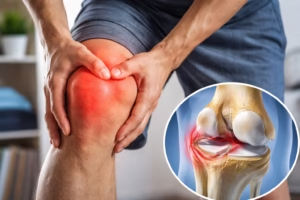
Knee pain is one of the most common musculoskeletal complaints across all age groups. Among the many possible causes, meniscus injuries are particularly frequent—especially in athletes and active individuals. However, they can also occur during everyday activities or as a result of age-related wear and tear.
This article provides a clear and evidence-based overview of meniscus injuries, including what they are, how they occur, how they are diagnosed, and current approaches to treatment and prevention.
Overview: What Is a Meniscus Injury?
The menisci are two crescent-shaped pieces of cartilage located inside each knee joint:
- Medial meniscus (inner side of the knee)
- Lateral meniscus (outer side of the knee)
They sit between the thigh bone (femur) and shin bone (tibia), acting as:
- Shock absorbers
- Stabilizers of the knee joint
- Distributors of body weight
- Protectors of joint cartilage
A meniscus injury typically refers to a tear in one of these cartilage structures. Tears can vary widely in severity—from small, stable injuries to more complex or displaced tears that interfere with joint movement.
Meniscus tears are among the most common knee injuries seen in orthopedic practice.
Causes and Risk Factors
Meniscus injuries can result from either acute trauma or degenerative changes.
1. Acute (Traumatic) Tears
These commonly occur in younger or physically active individuals and are often associated with sports. They are usually caused by:
- Twisting or pivoting movements with the foot planted
- Sudden changes in direction
- Deep squatting combined with rotation
- Direct force or impact to the knee
Sports with higher risk include:
- Soccer
- Basketball
- Football
- Tennis
- Skiing
2. Degenerative Tears
In adults over age 40, tears often occur due to gradual cartilage wear rather than a specific injury. As people age, the meniscus becomes less flexible and more prone to damage—even with minor movements such as:
- Standing up from a squat
- Stepping awkwardly
- Light twisting motions
Risk Factors
- Participation in high-impact sports
- Jobs involving frequent squatting or heavy lifting
- Previous knee injuries
- Obesity (increased joint load)
- Age-related cartilage degeneration
- Underlying osteoarthritis
Symptoms and Clinical Presentation
Symptoms may develop suddenly after injury or gradually in degenerative cases.
Common symptoms include:
- Knee pain, especially along the joint line
- Swelling, typically within 24 hours of injury
- Stiffness
- Clicking, catching, or locking sensation
- Feeling like the knee is “giving way” or unstable
- Difficulty fully straightening or bending the knee
A true locked knee, where the joint cannot fully extend, may indicate a displaced tear that requires prompt evaluation.
Diagnosis and Evaluation
Medical History and Physical Examination
Diagnosis begins with a detailed history of symptoms and mechanism of injury. A healthcare professional may perform physical tests such as:
- Joint line tenderness assessment
- McMurray test
- Thessaly test
- Evaluation of range of motion
These tests assess pain, mechanical symptoms, and stability.
Imaging Studies
Imaging may be recommended when symptoms persist or surgery is being considered:
- MRI (Magnetic Resonance Imaging)
- Most accurate method to visualize meniscal tears
- Shows tear type, size, and location
- X-rays
- Do not show meniscus tears
- Help rule out fractures or arthritis
Treatment and Management Options
Treatment depends on several factors:
- Type and location of tear
- Severity of symptoms
- Age and activity level
- Presence of arthritis
1. Conservative (Non-Surgical) Management
Many meniscus tears—especially small or degenerative ones—can be managed without surgery.
Common approaches include:
- Rest and activity modification
- Ice therapy to reduce swelling
- Nonsteroidal anti-inflammatory drugs (NSAIDs), if appropriate
- Physical therapy, focusing on:
- Strengthening thigh and hip muscles
- Improving range of motion
- Enhancing stability
- Use of supportive braces (in selected cases)
Evidence suggests that for many degenerative tears, structured physical therapy can be as effective as surgery in improving pain and function.
2. Surgical Treatment
Surgery may be considered when:
- Mechanical locking occurs
- Symptoms persist despite conservative care
- The tear is large or unstable
- The patient is young and active
Common surgical procedures include:
- Arthroscopic meniscus repair
- Suturing the torn cartilage together
- Preferred when the tear is in a region with good blood supply
- Preserves knee function long term
- Partial meniscectomy
- Removal of the damaged portion
- Faster recovery but may increase long-term arthritis risk
Recovery time varies:
- Meniscus repair: Several months with structured rehabilitation
- Partial meniscectomy: Often quicker recovery
Treatment decisions should always balance short-term symptom relief with long-term joint health.
Prevention and Lifestyle Considerations
While not all meniscus injuries are preventable, certain strategies may reduce risk:
Strength and Conditioning
- Strengthen quadriceps and hamstrings
- Improve core and hip stability
- Engage in proper warm-up routines before sports
Technique and Movement Training
- Learn proper jumping and landing mechanics
- Avoid sudden pivots without adequate conditioning
- Use appropriate footwear for activities
Weight Management
Maintaining a healthy weight reduces stress on the knee joint.
Joint Health Awareness
- Avoid repetitive high-impact loading without proper conditioning
- Increase training intensity gradually
- Address knee pain promptly rather than ignoring it
Long-Term Outlook
Many individuals recover well with appropriate treatment. However:
- Meniscus removal increases future risk of osteoarthritis
- Preserving as much meniscal tissue as possible improves long-term joint health
- Rehabilitation plays a critical role in recovery
Early evaluation and evidence-based management are key to maximizing outcomes.
Conclusion
Meniscus injuries are common knee conditions that range from mild degenerative tears to more serious traumatic injuries. They often cause pain, swelling, and mechanical symptoms such as catching or locking. Diagnosis typically involves clinical examination and MRI imaging when necessary.
Treatment may include physical therapy, medication, or surgery depending on the type and severity of the tear. Strength training, proper movement mechanics, and healthy lifestyle habits can reduce injury risk and support long-term knee health.
If you are experiencing persistent knee pain, swelling, or mechanical symptoms, it is important to seek evaluation from a qualified healthcare professional. Early diagnosis and appropriate management significantly improve recovery outcomes.
Disclaimer:
This article is for educational purposes only and does not replace professional medical advice, diagnosis, or treatment. Always consult a licensed healthcare provider for evaluation of knee pain or other medical concerns.