Liver Cancer: Causes, Symptoms, Diagnosis, and Treatment Options
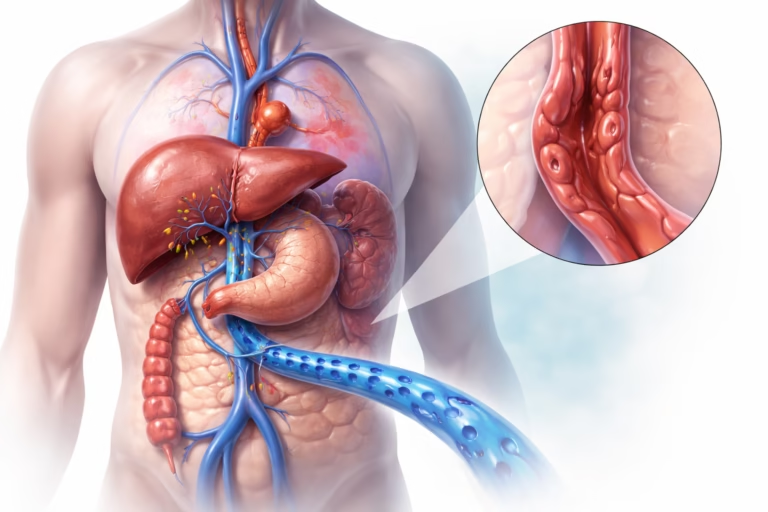
Liver cancer is a serious and often life-threatening condition that affects thousands of people worldwide each year. Because the liver plays a critical role in filtering toxins, processing nutrients, and supporting digestion, diseases that impact its function can have widespread effects on overall health.
Understanding liver cancer—its causes, warning signs, methods of diagnosis, and available treatments—can help individuals recognize risks early and seek appropriate medical care. This article provides a medically accurate and accessible overview of liver cancer, using clear and evidence-based information.
Overview: What Is Liver Cancer?
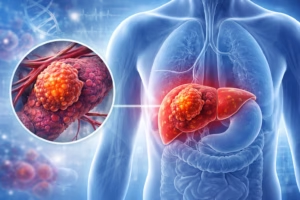
Liver cancer occurs when abnormal cells in the liver grow uncontrollably and form a tumor. There are two main categories:
1. Primary Liver Cancer
This type begins in the liver itself. The most common forms include:
- Hepatocellular carcinoma (HCC) – The most common type in adults
- Intrahepatic cholangiocarcinoma – Cancer of the bile ducts within the liver
- Angiosarcoma and hemangiosarcoma – Rare cancers of liver blood vessels
2. Secondary (Metastatic) Liver Cancer
This occurs when cancer from another part of the body (such as the colon, lung, or breast) spreads to the liver. Secondary liver cancer is more common than primary liver cancer.
Globally, hepatocellular carcinoma accounts for the majority of primary liver cancer cases and is a leading cause of cancer-related deaths.
Causes and Risk Factors
Liver cancer often develops in the setting of chronic liver disease. Several conditions increase the likelihood of developing it:
Major Risk Factors
- Chronic hepatitis B or hepatitis C infection
- Cirrhosis (scarring of the liver from long-term damage)
- Excessive alcohol consumption
- Non-alcoholic fatty liver disease (NAFLD) and non-alcoholic steatohepatitis (NASH)
- Exposure to aflatoxins (toxins from certain molds in improperly stored grains and nuts)
- Type 2 diabetes
- Obesity
- Smoking
- Family history of liver cancer
Cirrhosis is one of the strongest risk factors. However, liver cancer can occasionally develop without cirrhosis, particularly in individuals with chronic hepatitis B.
Symptoms and Clinical Presentation
Early-stage liver cancer often produces no symptoms, which makes screening especially important for high-risk individuals.
As the disease progresses, symptoms may include:
- Unexplained weight loss
- Loss of appetite
- Persistent fatigue
- Upper abdominal pain or discomfort (especially on the right side)
- Abdominal swelling (ascites)
- Yellowing of the skin or eyes (jaundice)
- Nausea and vomiting
- A palpable lump under the right rib cage
- Easy bruising or bleeding
Because many of these symptoms overlap with other liver conditions, proper medical evaluation is essential.
Diagnosis and Screening
Screening for High-Risk Individuals
People with chronic hepatitis B, hepatitis C, or cirrhosis are often advised to undergo routine screening. Screening typically includes:
- Ultrasound of the liver, every 6 months
- Sometimes alpha-fetoprotein (AFP) blood testing
Regular screening can help detect liver cancer at an earlier, more treatable stage.
Diagnostic Tests
If liver cancer is suspected, a doctor may recommend:
- Imaging studies
- Ultrasound
- CT scan
- MRI (particularly useful for characterizing liver lesions)
- Blood tests
- Liver function tests
- AFP levels
- Liver biopsy, in certain cases, to confirm diagnosis
Imaging often provides sufficient information to diagnose hepatocellular carcinoma without a biopsy, especially in patients with known cirrhosis.
Treatment and Management Options
Treatment depends on several factors, including:
- The size and number of tumors
- Whether the cancer has spread
- Liver function status
- Overall health of the patient
Common treatment approaches include:
1. Surgical Resection
Removal of the tumor and a portion of surrounding liver tissue. This option is typically considered when:
- The cancer is detected early
- Liver function is preserved
2. Liver Transplant
A transplant replaces the diseased liver with a healthy donor liver. It may be appropriate for selected patients with early-stage cancer and cirrhosis.
3. Ablation Therapies
Used to destroy tumors without removing them surgically:
- Radiofrequency ablation (RFA)
- Microwave ablation
- Ethanol injection
4. Embolization Techniques
Block blood supply to the tumor:
- Transarterial chemoembolization (TACE)
- Transarterial radioembolization (TARE)
5. Systemic Therapies
For advanced liver cancer:
- Targeted therapy (e.g., tyrosine kinase inhibitors)
- Immunotherapy
- Chemotherapy (less commonly used than for other cancers)
Treatment plans are typically managed by a multidisciplinary team including hepatologists, oncologists, surgeons, and radiologists.
Prevention and Lifestyle Considerations
While not all cases of liver cancer can be prevented, several measures significantly reduce risk:
Preventive Strategies
- Vaccination against hepatitis B
- Early treatment of hepatitis B and C infections
- Limiting alcohol consumption
- Maintaining a healthy weight
- Managing diabetes effectively
- Avoiding tobacco use
- Safe food storage to reduce aflatoxin exposure
Regular medical care and monitoring for those with chronic liver conditions are critical preventive strategies.
Conclusion
Liver cancer is a complex disease that often develops in the setting of chronic liver damage. While early-stage liver cancer may not cause noticeable symptoms, routine screening in high-risk individuals plays a vital role in early detection and improved outcomes.
Advances in imaging, targeted therapies, immunotherapy, and transplantation have significantly expanded treatment options in recent years. Prevention strategies—such as hepatitis vaccination, alcohol moderation, and metabolic health management—remain essential components of reducing global liver cancer burden.
Disclaimer: This article is intended for educational purposes only and does not replace professional medical advice. If you have concerns about liver health or symptoms suggestive of liver disease, consult a qualified healthcare professional for evaluation and personalized guidance.