Liposuction: A Comprehensive Guide to the Procedure, Benefits, and Considerations
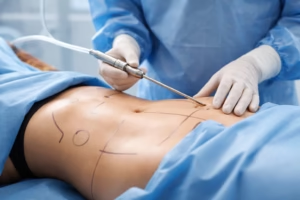
Liposuction is one of the most widely performed cosmetic surgical procedures worldwide. Designed to remove excess fat deposits from specific areas of the body, it helps reshape and contour regions that may not respond to diet and exercise. While often associated with aesthetic enhancement, liposuction is a medical procedure that requires careful evaluation, proper planning, and realistic expectations.
This article provides a clear, evidence-based overview of liposuction, including how it works, who may benefit, potential risks, and recovery considerations.
Overview / Definition
Liposuction (also called lipoplasty or suction lipectomy) is a surgical procedure that removes localized fat deposits using suction technology. It is not a weight-loss method but rather a body contouring technique.
Common areas treated include:
- Abdomen and waist
- Thighs (inner and outer)
- Hips and buttocks
- Upper arms
- Back
- Chin and neck
- Chest (including treatment for gynecomastia in men)
How It Works
During the procedure:
- A small incision is made in the treatment area.
- A thin, hollow tube (cannula) is inserted.
- Fat cells are loosened using a technique such as:
- Tumescent liposuction (fluid injection to reduce bleeding and pain)
- Ultrasound-assisted liposuction (UAL)
- Laser-assisted liposuction
- Power-assisted liposuction (PAL)
- The fat is suctioned out using a surgical vacuum.
The number of fat cells in the treated area decreases permanently. However, remaining fat cells can still expand if significant weight gain occurs later.
Causes or Risk Factors (Why People Seek Liposuction)
While liposuction itself does not treat a disease, individuals commonly pursue it due to persistent localized fat retention. Certain factors contribute to these fat deposits:
Common Contributing Factors
- Genetics (body fat distribution patterns)
- Hormonal influences
- Aging, which may alter fat distribution
- Lifestyle factors, such as sedentary behavior
- Pregnancy-related body changes
- Weight fluctuations
Some medical conditions may also be addressed through liposuction, including:
- Gynecomastia (excess breast tissue in men)
- Lipomas (benign fatty tumors)
- Lymphedema (in select cases)
Symptoms or Clinical Presentation
There are typically no medical “symptoms” prompting liposuction. Instead, patients commonly present with:
- Persistent fat bulges despite healthy diet and exercise
- Body contour irregularities
- Emotional distress related to body image
- Discomfort from excess fatty tissue (e.g., chafing)
It’s important to distinguish between localized fat deposits and general obesity, as liposuction is not designed to treat obesity or metabolic disease.
Diagnosis or Screening
Before undergoing liposuction, a thorough medical assessment is essential.
Preoperative Evaluation Includes:
- Detailed medical history
- Physical examination
- Review of current medications
- Evaluation of skin elasticity (important for optimal results)
- Assessment of overall health and surgical risk
Candidates who are generally considered suitable often:
- Are close to their ideal body weight
- Have firm, elastic skin
- Are non-smokers
- Have realistic expectations
- Do not have uncontrolled chronic medical conditions
Individuals with heart disease, poor circulation, clotting disorders, or impaired immune systems may not be ideal candidates.
Treatment or Management Options
The Procedure
Liposuction may be performed under:
- Local anesthesia
- Sedation
- General anesthesia (depending on the extent of treatment)
The duration varies but typically ranges from 1 to several hours.
Recovery Process
After surgery, patients can expect:
- Swelling and bruising
- Mild to moderate pain (managed with medications)
- Temporary fluid drainage from incision sites
- Use of compression garments for several weeks
Most individuals return to light activities within days and resume full activity within a few weeks, depending on the extent of the procedure.
Potential Risks and Complications
Though generally considered safe when performed by qualified surgeons, liposuction carries potential risks:
- Infection
- Bleeding
- Bruising and swelling
- Contour irregularities
- Fluid accumulation (seroma)
- Numbness or changes in sensation
- Blood clots (rare but serious)
- Anesthesia-related complications
Choosing a board-certified plastic surgeon significantly reduces risk.
Prevention or Lifestyle Considerations
While liposuction permanently removes fat cells in treated areas, it does not prevent future weight gain.
To Maintain Results:
- Follow a balanced, nutrient-rich diet
- Engage in regular aerobic and strength-training exercise
- Maintain a stable body weight
- Avoid smoking (supports healing and skin quality)
Sustainable lifestyle changes are essential for preserving long-term outcomes.
Psychological and Emotional Considerations
Liposuction can improve body confidence and self-image for many individuals. However, it is not a substitute for addressing deeper emotional or psychological concerns.
Patients with body dysmorphic disorder (BDD) or unrealistic expectations may not experience improved satisfaction and should undergo appropriate psychological evaluation before surgery.
Key Takeaways
- Liposuction is a surgical body contouring procedure, not a weight-loss solution.
- It removes localized fat deposits that are resistant to diet and exercise.
- Ideal candidates are near their target weight, in good health, and have realistic expectations.
- Results can be long-lasting with stable weight management.
- As with any surgery, risks exist and careful medical evaluation is essential.
Final Thoughts
Liposuction remains a popular and effective method for improving body contour in appropriately selected individuals. When performed by a qualified medical professional and combined with long-term healthy lifestyle habits, it can offer meaningful aesthetic benefits. However, understanding the risks, limitations, and recovery process is crucial before making a decision.
Disclaimer: This article is for educational purposes only and does not constitute medical advice. Individuals considering liposuction should consult a qualified healthcare professional or board-certified plastic surgeon for personalized evaluation and guidance.