Knee Replacement Surgery: A Comprehensive Guide to Understanding the Procedure
Knee pain can significantly affect daily life—making simple activities like walking, climbing stairs, or even standing uncomfortable. For individuals with severe knee damage that does not improve with conservative treatment, knee replacement surgery can offer long-term relief and improved mobility.
Also known as knee arthroplasty, this procedure is one of the most common and successful orthopedic surgeries performed worldwide. In this article, we’ll explore what knee replacement surgery involves, who may need it, and what patients can expect before and after the procedure.
Overview / Definition
Knee replacement surgery is a procedure in which damaged parts of the knee joint are removed and replaced with artificial components (prostheses) made of metal alloys, high-grade plastics, or ceramics.
The knee is a complex hinge joint composed of:
- The femur (thigh bone)
- The tibia (shin bone)
- The patella (kneecap)
- Cartilage that cushions and protects the joint surfaces
When the cartilage wears away—often due to arthritis—the bones rub against each other, leading to pain, swelling, and stiffness. Knee replacement surgery resurfaces the damaged joint areas to restore function and reduce discomfort.
There are two main types:
- Total knee replacement (TKR): The entire joint is replaced.
- Partial knee replacement (PKR): Only the damaged section is replaced.
Causes and Risk Factors
Knee replacement is typically recommended for individuals with significant joint damage. The most common causes include:
1. Osteoarthritis
The most frequent reason for knee replacement, osteoarthritis occurs when joint cartilage gradually deteriorates due to aging and wear and tear.
2. Rheumatoid Arthritis
An autoimmune condition that causes joint inflammation, potentially leading to cartilage destruction.
3. Post-Traumatic Arthritis
Arthritis that develops after a severe knee injury such as fractures or ligament damage.
4. Other Risk Factors
- Age (more common in adults over 50)
- Obesity (increased stress on knee joints)
- Previous knee injuries
- Genetics
- High-impact sports or physically demanding occupations
Symptoms and Clinical Presentation
Individuals who may be candidates for knee replacement surgery often experience:
- Persistent knee pain that limits daily activities
- Pain at rest, especially at night
- Swelling and inflammation
- Stiffness and reduced range of motion
- Joint deformity (such as bowing)
- Failure to respond to non-surgical treatments
Symptoms typically worsen over time and may significantly impact quality of life.
Diagnosis and Evaluation
Diagnosing the need for knee replacement involves a comprehensive medical evaluation, including:
Medical History
- Duration and severity of symptoms
- Previous treatments attempted
- Impact on daily activities
Physical Examination
- Assessment of joint movement
- Evaluation of alignment and stability
- Measurement of range of motion
Imaging Tests
- X-rays: Reveal joint space narrowing and bone damage
- MRI scans: May be used in select cases to assess soft tissues
Blood tests may be conducted to rule out other conditions such as infection or inflammatory arthritis.
The decision to proceed with surgery is typically based on symptom severity, imaging findings, and failure of conservative management.
Treatment and Management Options
Non-Surgical Treatments (First-Line Management)
Before recommending surgery, healthcare providers usually explore conservative therapies:
- Physical therapy
- Weight management
- Pain medications (e.g., acetaminophen, NSAIDs)
- Corticosteroid injections
- Assistive devices (braces, canes)
If these measures fail to provide adequate relief, surgery may be considered.
Surgical Procedure
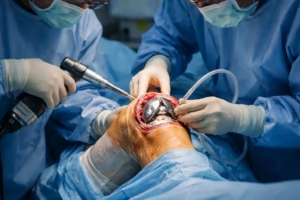
During knee replacement surgery:
- The damaged cartilage and bone are removed.
- The joint surfaces are carefully reshaped.
- Artificial components are implanted.
- A plastic spacer is inserted to allow smooth gliding.
The surgery typically takes 1–2 hours. Hospital stays vary, but many patients begin walking with assistance within 24 hours.
Recovery and Rehabilitation
Recovery is a critical component of successful outcomes.
Early Recovery (First Few Weeks)
- Pain management
- Gradual weight-bearing
- Physical therapy exercises
Long-Term Recovery
- Strength-building exercises
- Gradual return to normal activities
- Full recovery may take 3 to 6 months
Most prosthetic knees last 15 to 20 years or longer, depending on activity levels and overall health.
Prevention and Lifestyle Considerations
While not all knee replacements can be prevented, certain measures may reduce the risk of severe joint damage:
- Maintain a healthy body weight
- Engage in low-impact exercises (e.g., swimming, cycling)
- Strengthen leg muscles to support knee stability
- Use proper protective gear during sports
- Address knee injuries promptly
Early management of arthritis symptoms can also delay progression.
Potential Risks and Complications
Although generally safe, knee replacement surgery carries some risks, including:
- Infection
- Blood clots
- Implant loosening or wear
- Nerve or blood vessel injury
- Persistent pain or stiffness
Careful surgical planning and postoperative care help minimize these risks.
Conclusion
Knee replacement surgery is a highly effective treatment for advanced knee arthritis and severe joint damage. By replacing worn-out joint surfaces with durable artificial components, the procedure can significantly relieve pain, restore mobility, and improve quality of life.
However, surgery is typically considered only after conservative treatments fail. Comprehensive evaluation, informed decision-making, and dedicated rehabilitation are essential for optimal outcomes.
Disclaimer
This article is intended for educational purposes only and does not constitute medical advice. Individuals experiencing knee pain or considering knee replacement surgery should consult a qualified healthcare professional for proper evaluation and personalized recommendations.