Knee Injuries: Causes, Symptoms, Treatment, and Prevention
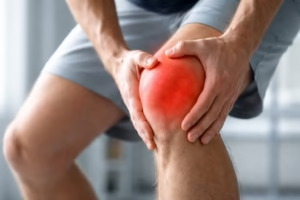
Knee injuries are among the most common musculoskeletal problems affecting people of all ages—from young athletes to older adults. Because the knee is a complex joint that supports much of the body’s weight and enables movement such as walking, running, and jumping, it is particularly vulnerable to strain and trauma.
Understanding how knee injuries occur, their symptoms, and available treatment options can help individuals recognize problems early and seek appropriate care. This article provides a clear, evidence-based overview of knee injuries, their management, and preventive strategies.
Overview / Definition
The knee is the largest joint in the body and consists of:
- Bones: Femur (thighbone), tibia (shinbone), and patella (kneecap)
- Cartilage: Cushions the joint and provides smooth movement (menisci and articular cartilage)
- Ligaments: Provide stability (ACL, PCL, MCL, LCL)
- Tendons: Connect muscles to bone (e.g., patellar tendon)
- Muscles: Surround and support the joint, particularly the quadriceps and hamstrings
A knee injury may involve damage to any of these structures. Injuries may result from sudden trauma, repetitive strain, or degenerative processes such as osteoarthritis.
Common types of knee injuries include:
- Ligament tears (e.g., anterior cruciate ligament or ACL tear)
- Meniscus tears
- Patellar injuries (dislocation or fracture)
- Tendonitis (e.g., patellar tendonitis or “jumper’s knee”)
- Cartilage damage
- Fractures around the knee joint
Causes and Risk Factors
Knee injuries can result from a wide range of causes depending on age, activity level, and overall health.
1. Acute Trauma
Often related to sports or accidents, including:
- Sudden twisting or pivoting motions
- Direct blows to the knee
- Landing awkwardly from a jump
- Motor vehicle collisions
- Falls
2. Overuse and Repetitive Strain
Repetitive movements can gradually stress the knee joint:
- Long-distance running
- Cycling
- High-impact sports
- Occupations involving frequent kneeling or squatting
3. Degenerative Changes
With aging, cartilage may wear down, increasing the risk of:
- Osteoarthritis
- Meniscal degeneration
4. Risk Factors
Certain factors increase the likelihood of knee injury:
- Previous knee injury
- Muscle weakness or imbalance
- Poor biomechanics or improper form during exercise
- Obesity (increased joint stress)
- Inadequate warm-up before physical activity
- Certain sports (soccer, basketball, skiing, football)
Symptoms and Clinical Presentation
The symptoms of a knee injury vary depending on the structure involved and the severity of damage.
Common symptoms include:
- Pain (localized or widespread)
- Swelling (may occur immediately or develop over hours)
- Stiffness
- Restricted range of motion
- Instability or “giving way”
- Locking or clicking sensation
- Difficulty bearing weight
Certain injuries have characteristic features:
- ACL tear: A “popping” sound at injury, rapid swelling, instability
- Meniscus tear: Locking, catching, joint line pain
- Tendonitis: Gradual onset of pain with activity
- Fracture: Severe pain, deformity, inability to bear weight
Any severe pain, visible deformity, inability to walk, or rapidly increasing swelling warrants prompt medical attention.
Diagnosis and Screening
Diagnosis typically involves a combination of clinical evaluation and imaging.
1. Medical History and Physical Examination
A healthcare professional may assess:
- Mechanism of injury
- Onset and progression of symptoms
- Joint stability
- Range of motion
- Areas of tenderness
Specific physical tests help identify ligament or meniscus injuries.
2. Imaging Studies
- X-rays: Useful for detecting fractures or arthritis
- MRI (Magnetic Resonance Imaging): Provides detailed images of ligaments, cartilage, and soft tissues
- Ultrasound: May help evaluate soft tissue injuries
- CT scan: Sometimes used for complex fractures
Early and accurate diagnosis is important to guide appropriate treatment and prevent long-term complications.
Treatment and Management Options
Treatment depends on the type and severity of the injury. Many knee injuries can be managed conservatively, while others may require surgical intervention.
1. Conservative (Non-Surgical) Treatment
Often recommended for mild to moderate injuries:
- R.I.C.E. protocol:
- Rest
- Ice
- Compression
- Elevation
- Nonsteroidal anti-inflammatory drugs (NSAIDs) (under medical supervision)
- Physical therapy to:
- Restore strength
- Improve flexibility
- Enhance joint stability
- Bracing or supportive devices
- Activity modification
2. Injections
In certain cases:
- Corticosteroid injections for inflammation
- Hyaluronic acid injections for osteoarthritis
3. Surgical Treatment
Surgery may be indicated for:
- Complete ligament tears
- Severe meniscus tears
- Unstable fractures
- Persistent instability or pain despite conservative treatment
Procedures may include:
- Arthroscopic ligament reconstruction
- Meniscus repair or partial removal
- Fracture fixation
- Partial or total knee replacement (in advanced arthritis)
Recovery may involve several weeks to months of rehabilitation.
Prevention and Lifestyle Considerations
Although not all knee injuries can be prevented, many strategies reduce risk.
1. Strength Training
Strengthening muscles around the knee improves joint stability:
- Quadriceps
- Hamstrings
- Gluteal muscles
- Core muscles
2. Proper Technique and Equipment
- Use correct form during sports and exercise
- Wear appropriate footwear
- Use sport-specific protective gear
3. Warm-Up and Flexibility
- Dynamic warm-up before activity
- Regular stretching
- Gradual increase in training intensity
4. Maintain a Healthy Weight
Excess weight increases stress on the knee joint, especially during walking and stair climbing.
5. Cross-Training
Alternating high-impact activities with low-impact exercises (e.g., swimming, cycling) can reduce repetitive strain.
Potential Complications
Untreated or poorly managed knee injuries may result in:
- Chronic pain
- Persistent instability
- Reduced mobility
- Early onset osteoarthritis
- Recurrent injury
Timely intervention and structured rehabilitation play a crucial role in long-term outcomes.
Conclusion
Knee injuries are common and can range from mild strains to complex ligament tears and fractures. Symptoms such as pain, swelling, instability, or difficulty bearing weight should not be ignored. Proper diagnosis through clinical evaluation and imaging ensures appropriate treatment, which may include rest, physical therapy, medications, or surgery in more severe cases.
Preventive measures—such as strength training, proper technique, and maintaining a healthy lifestyle—can significantly reduce the risk of injury and support long-term joint health.
Disclaimer: This article is intended for educational purposes only and does not substitute professional medical advice. If you are experiencing knee pain or suspect a knee injury, consult a qualified healthcare professional for accurate diagnosis and individualized treatment.