Kids’ Health: A Comprehensive Guide to Supporting Children’s Well‑Being

Children’s health lays the foundation for lifelong physical, emotional, and cognitive well-being. From infancy through adolescence, rapid growth and development make children uniquely vulnerable to illness—but also highly responsive to preventive care and healthy lifestyle habits.
Understanding the key aspects of kids’ health helps parents, caregivers, and educators make informed decisions that promote optimal growth and reduce the risk of disease. This article explores essential components of children’s health, including common risk factors, signs of illness, preventive strategies, and available treatment approaches.
Overview: What Is Kids’ Health?
Kids’ health refers to the physical, mental, emotional, and social well-being of children from birth through adolescence. It encompasses:
- Physical growth and development
- Nutrition and physical activity
- Immunizations and preventive care
- Mental and emotional health
- Safety and injury prevention
Children are not just “small adults.” Their bodies and minds are continuously developing, which means health conditions may present differently than they do in adults. Early intervention and preventive care are particularly important during childhood.
Causes and Risk Factors Affecting Children’s Health
Numerous factors influence a child’s overall health. These can be biological, environmental, lifestyle-related, or social.
1. Genetic and Biological Factors
- Family history of chronic conditions (e.g., asthma, diabetes, allergies)
- Premature birth
- Congenital disorders or birth complications
2. Environmental Influences
- Exposure to secondhand smoke
- Air pollution
- Unsafe drinking water
- Lead or environmental toxins
3. Nutrition and Lifestyle
- Poor dietary habits
- Sedentary lifestyle
- Excessive screen time
- Inadequate sleep
4. Social and Emotional Factors
- Family stress
- Adverse childhood experiences (ACEs)
- Bullying
- Lack of social support
Addressing modifiable risk factors can significantly improve a child’s overall health trajectory.
Symptoms and Clinical Presentation of Common Childhood Conditions
Children may not always articulate their symptoms clearly. Recognizing early warning signs is crucial.
General Warning Signs to Watch For
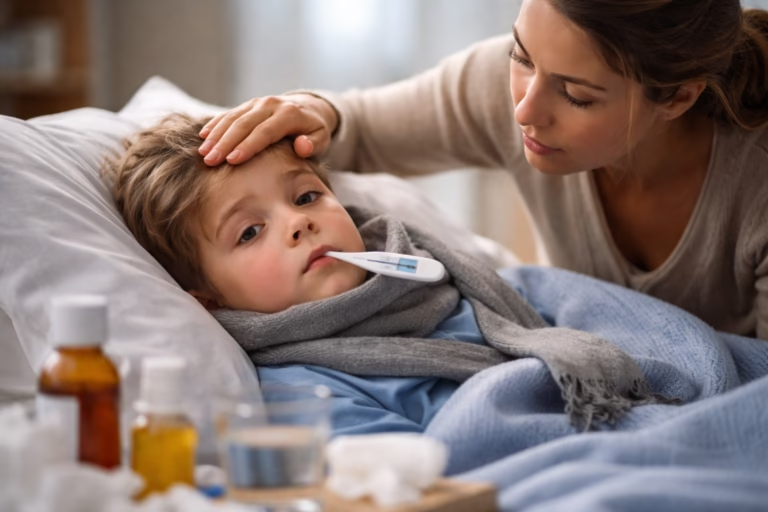
- Persistent fever
- Unexplained fatigue
- Sudden weight loss or poor weight gain
- Changes in behavior or mood
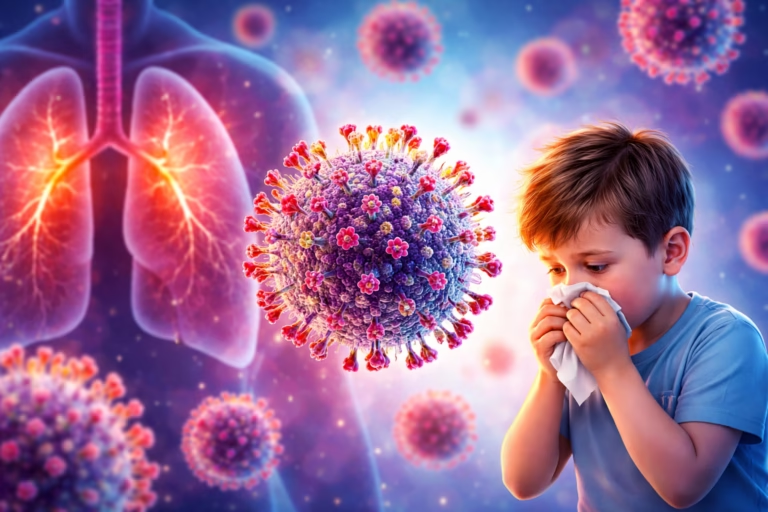
- Chronic cough or breathing difficulty
- Frequent infections
- Delayed developmental milestones
Mental Health Indicators
- Sudden mood swings
- Withdrawal from friends or activities
- Declining school performance
- Changes in sleeping or eating patterns
Early evaluation by a qualified healthcare professional is essential when concerning symptoms arise.
Diagnosis and Screening in Children
Routine screening and well-child visits are central to maintaining children’s health. Pediatric healthcare providers monitor:
- Growth measurements: height, weight, head circumference (in infants)
- Developmental milestones
- Vision and hearing
- Blood pressure
- Behavioral and mental health
- Immunization status
Screenings may also include:
- Blood tests for anemia or cholesterol (when indicated)
- Autism screening (typically at 18 and 24 months)
- Lead screening in high-risk areas
- Adolescent depression screening
Early detection allows for timely intervention and better long-term outcomes.
Treatment and Management Options
Management depends on the specific condition but generally includes a combination of medical care, lifestyle adjustments, and family involvement.
1. Medical Treatment
- Prescription medications (e.g., antibiotics, asthma inhalers)
- Physical therapy or occupational therapy
- Behavioral therapy
- Specialized care from pediatric specialists
2. Lifestyle and Behavioral Interventions
- Nutritional counseling
- Increased physical activity
- Sleep hygiene improvements
- Limiting screen time
3. Mental Health Support
- Cognitive behavioral therapy (CBT)
- Family therapy
- School-based support systems
Collaboration between parents, healthcare providers, teachers, and community resources often leads to the best outcomes.
Prevention and Healthy Lifestyle Considerations
Prevention is one of the most powerful tools in promoting children’s health.
1. Balanced Nutrition
Encourage:
- Fruits and vegetables
- Whole grains
- Lean proteins
- Dairy or fortified alternatives
- Adequate hydration
Limit:
- Added sugars
- Processed foods
- Sugary beverages
2. Physical Activity
Children should aim for:
- At least 60 minutes of moderate to vigorous physical activity daily
3. Sleep
Recommended sleep durations:
- Infants: 12–16 hours (including naps)
- Children (6–12 years): 9–12 hours
- Teens: 8–10 hours
4. Vaccinations
Immunizations protect against serious infectious diseases such as measles, whooping cough, and influenza.
5. Safety Measures
- Proper car seats and seatbelts
- Bike helmets
- Water safety supervision
- Safe storage of medications and firearms
6. Emotional Support
- Open communication
- Consistent routines
- Encouragement and positive reinforcement
Healthy habits adopted early tend to persist into adulthood.
When to Seek Medical Attention
Immediate medical care may be necessary if a child experiences:
- Difficulty breathing
- Persistent high fever
- Seizures
- Severe dehydration
- Sudden confusion
- Suspicion of abuse or self-harm
Trusting parental instincts is important—if something seems seriously wrong, it is appropriate to seek professional evaluation.
Conclusion
Kids’ health is a multifaceted and dynamic area that requires attention to physical growth, mental well-being, and preventive care. From regular screenings and vaccinations to healthy eating and emotional support, early intervention and consistent care play crucial roles in setting children up for lifelong health.
By understanding risk factors, recognizing early warning signs, and embracing evidence-based preventive strategies, parents and caregivers can actively contribute to their child’s well-being.
Disclaimer
This article is intended for educational purposes only and does not replace professional medical advice. For concerns about a child’s health, diagnosis, or treatment, consult a qualified pediatrician or healthcare professional.