Infectious Diseases: Causes, Symptoms, Treatment, and Prevention
Infectious diseases have shaped human history, influenced global health systems, and continue to impact millions of lives each year. From common colds to more serious conditions like tuberculosis or COVID-19, infectious diseases range widely in severity and spread. Understanding how these diseases develop, spread, and can be treated or prevented is essential for protecting both individual and public health.
This article provides a comprehensive, evidence-based overview of infectious diseases in clear, accessible language.
Overview / Definition
Infectious diseases are illnesses caused by harmful microorganisms—such as bacteria, viruses, fungi, or parasites—that invade the body, multiply, and disrupt normal bodily functions.
These microorganisms, often referred to as pathogens, can spread:
- From person to person
- Through contaminated food or water
- Via insect bites
- Through contact with infected animals
- Through environmental exposure
Some infectious diseases are mild and self-limiting, while others can be severe, chronic, or even life-threatening. Advances in medicine, vaccines, sanitation, and antibiotics have reduced the burden of many infections, but emerging and re-emerging diseases remain a global concern.
Causes and Risk Factors
Types of Infectious Agents
Infectious diseases are caused by several categories of pathogens:
- Bacteria: Single-celled organisms (e.g., Streptococcus, E. coli, tuberculosis bacteria)
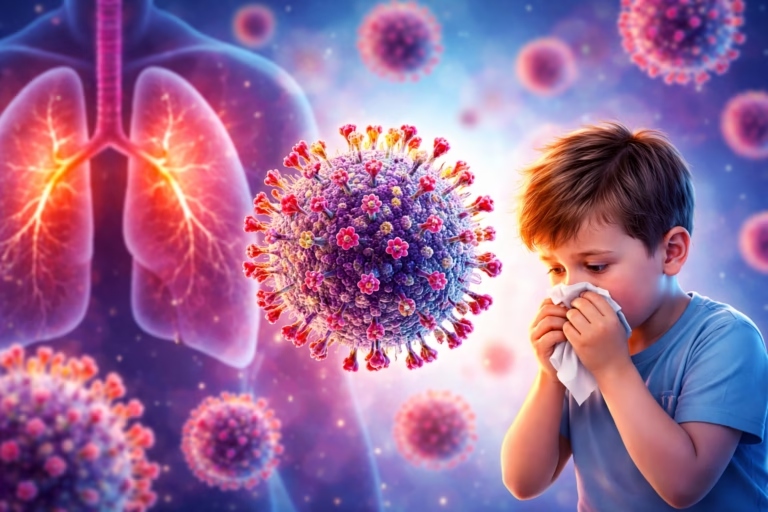
- Viruses: Tiny infectious particles that require host cells to replicate (e.g., influenza, HIV, SARS-CoV-2)
- Fungi: Includes molds and yeasts (e.g., Candida, ringworm)
- Parasites: Organisms that live on or in a host (e.g., malaria parasites, tapeworms)
- Prions (rare): Abnormal proteins that cause neurodegenerative diseases
Common Risk Factors
Certain conditions and behaviors can increase susceptibility:
- Weakened immune system (due to HIV, cancer treatment, organ transplantation)
- Chronic illnesses (diabetes, lung disease)
- Poor sanitation or inadequate access to clean water
- Travel to areas with endemic diseases
- Incomplete vaccination
- Close contact in crowded settings (schools, dormitories, healthcare facilities)
- Poor nutrition
Age also plays an important role. Young children, older adults, and immunocompromised individuals often face higher risks of complications.
Symptoms or Clinical Presentation
Symptoms vary widely depending on the type of infection, the organ system involved, and the individual’s immune response.
General Symptoms
Many infections share common signs, including:
- Fever
- Fatigue
- Muscle aches
- Headache
- Loss of appetite
- Swollen lymph nodes
Organ-Specific Symptoms
Examples include:
- Respiratory infections: Cough, shortness of breath, sore throat
- Gastrointestinal infections: Diarrhea, vomiting, abdominal pain
- Skin infections: Redness, swelling, warmth, pus
- Urinary infections: Painful urination, urinary frequency
Some infections can become systemic, spreading through the bloodstream and causing severe complications such as sepsis, which requires urgent medical care.
Diagnosis or Screening
Accurate diagnosis is essential for appropriate treatment, especially because bacterial, viral, and fungal infections require different therapies.
Healthcare professionals may use:
- Medical history and physical examination
- Laboratory tests:
- Blood tests
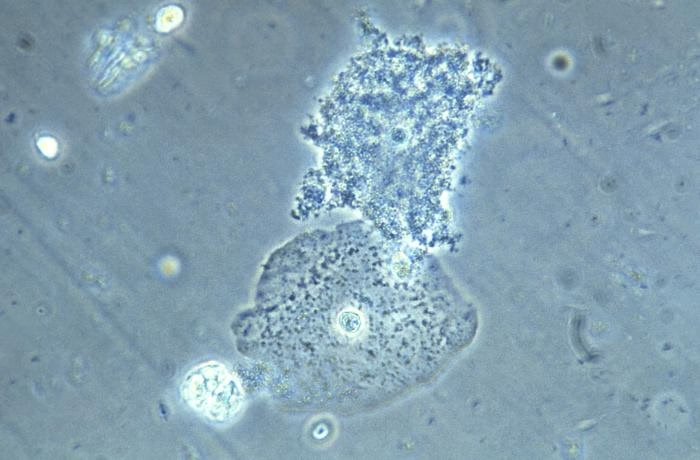
- Urine tests
- Stool samples
- Throat or nasal swabs
- Imaging studies: X-rays, CT scans (when organ involvement is suspected)
- Microbiological cultures: To identify specific pathogens
- Molecular tests (PCR): To detect viral or bacterial genetic material
In certain settings, routine screening is recommended—for example:
- HIV screening
- Tuberculosis testing
- Screening for sexually transmitted infections (STIs)
Early detection often improves outcomes and limits transmission.
Treatment or Management Options
Treatment depends on the type of infectious agent involved.
1. Bacterial Infections
- Treated with antibiotics
- The specific antibiotic depends on the bacteria and its resistance patterns
- Overuse or misuse of antibiotics can lead to antibiotic resistance, a major global health threat
2. Viral Infections
- Many are self-limiting (e.g., common cold)
- Some require antiviral medications (e.g., influenza, HIV, hepatitis)
- Antibiotics do not treat viral infections
3. Fungal Infections
- Treated with antifungal medications
- Can be topical or systemic depending on severity
4. Parasitic Infections
- Managed with antiparasitic medications
- May require prolonged treatment in certain cases
Supportive Care
Regardless of cause, supportive care may include:
- Rest
- Hydration
- Fever management
- Oxygen therapy (in severe respiratory infections)
- Hospitalization in serious cases
Timely treatment significantly reduces complications and improves recovery.
Prevention and Lifestyle Considerations
Many infectious diseases are preventable through public health strategies and personal health habits.
Vaccination
Vaccines are among the most effective tools in preventing diseases such as:
- Measles
- Influenza
- Polio
- Hepatitis
- COVID-19
Vaccination not only protects individuals but also contributes to herd immunity.
Hygiene Practices
Simple habits significantly reduce spread:
- Frequent handwashing with soap and water
- Covering coughs and sneezes
- Proper food handling and cooking
- Safe drinking water
Other Preventive Measures
- Safe sexual practices to prevent STIs
- Using insect repellent in areas with mosquito-borne diseases
- Maintaining a healthy lifestyle to support immune function
- Staying home when ill to prevent spread
Public health measures such as surveillance systems, sanitation infrastructure, and infection control in healthcare settings are also crucial.
Conclusion
Infectious diseases are caused by microorganisms that can spread in various ways and affect nearly every body system. While symptoms and severity differ widely, accurate diagnosis, targeted treatment, and preventive strategies—especially vaccination and hygiene—play critical roles in controlling these illnesses.
Continued public health vigilance, responsible antibiotic use, and informed personal health practices remain essential to reducing the global impact of infectious diseases.
Disclaimer:
This article is intended for educational purposes only and does not substitute professional medical advice. If you have symptoms or concerns about an infectious disease, consult a qualified healthcare professional for proper evaluation and guidance.