Infections: Understanding Causes, Symptoms, Treatment, and Prevention
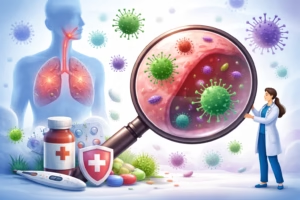
Infections are among the most common health concerns worldwide, affecting people of all ages. From mild illnesses like the common cold to serious conditions such as pneumonia or bloodstream infections, infections occur when harmful microorganisms enter the body, multiply, and trigger an immune response.
Understanding how infections develop, how they are diagnosed and treated, and how they can be prevented is essential for protecting individual and public health. This article provides a clear, medically accurate overview of infections, using evidence-based information presented in an accessible format.
Overview / Definition
An infection occurs when microorganisms—such as bacteria, viruses, fungi, or parasites—invade the body and begin to multiply. These organisms are sometimes referred to as pathogens when they have the potential to cause disease.
Not all encounters with microorganisms result in illness. In many cases:
- The immune system eliminates the pathogen.
- The person may carry the organism without symptoms (known as colonization).
- A mild infection may resolve without treatment.
However, when the immune response is overwhelmed or the pathogen is particularly aggressive, clinical illness can develop.
Common Types of Infectious Agents
- Bacteria – e.g., Streptococcus, Escherichia coli
- Viruses – e.g., influenza virus, SARS-CoV-2
- Fungi – e.g., Candida species
- Parasites – e.g., malaria-causing Plasmodium
Infections can affect nearly any part of the body, including the respiratory tract, urinary tract, gastrointestinal system, skin, and bloodstream.
Causes and Risk Factors
Infections are caused by exposure to infectious agents. The mode of transmission depends on the type of pathogen.
Common Routes of Transmission
- Airborne or respiratory droplets (e.g., cold, flu, COVID-19)
- Direct contact (e.g., skin infections)
- Contaminated food or water
- Blood or body fluids
- Vector-borne transmission (e.g., mosquitoes spreading malaria)
- Medical devices or procedures (e.g., catheters, surgeries)
Risk Factors
Some individuals are more vulnerable to infections due to:
- Weakened immune system (e.g., from chronic disease, chemotherapy, HIV)
- Advanced age or infancy
- Chronic illnesses such as diabetes or lung disease
- Poor nutrition
- Poor hygiene or sanitation
- Hospitalization or long-term care residence
Environmental and social factors—such as overcrowding, lack of clean water, and limited access to healthcare—also significantly influence infection risk.
Symptoms and Clinical Presentation
Symptoms vary depending on:
- The type of microorganism
- The site of infection
- The individual’s immune response
General Signs of Infection
Many infections produce systemic symptoms such as:
- Fever
- Fatigue
- Chills
- Sweating
- Muscle aches
- Loss of appetite
Localized Symptoms
Symptoms often reflect the area of the body affected:
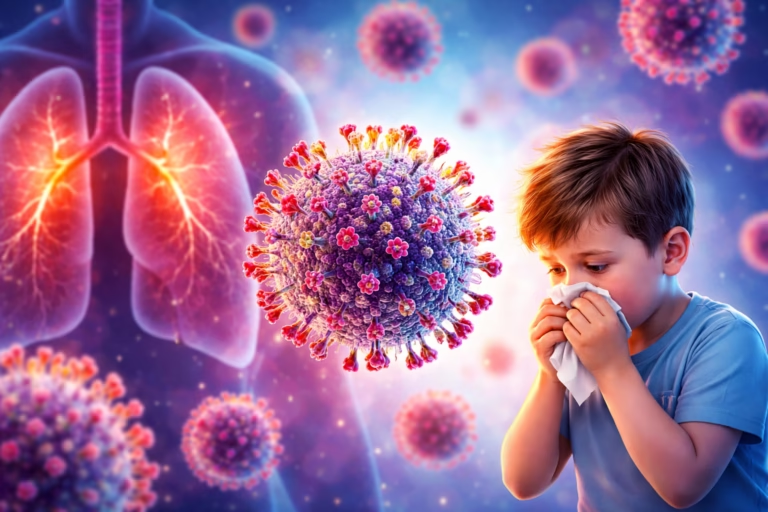
- Respiratory infections: cough, shortness of breath, sore throat
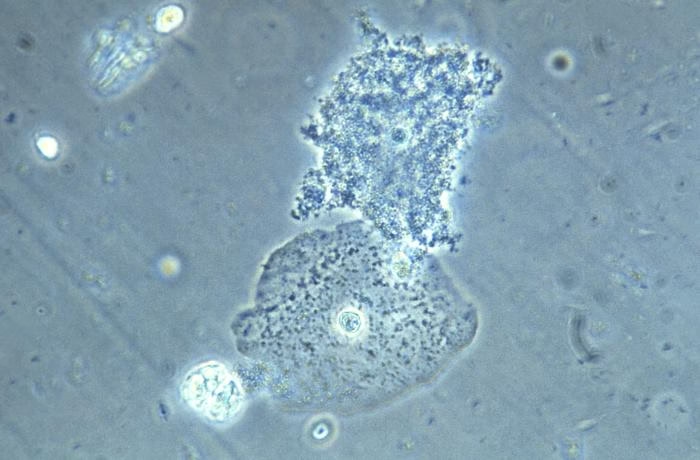
- Urinary tract infections (UTIs): painful urination, urgency, lower abdominal pain
- Gastrointestinal infections: diarrhea, vomiting, abdominal cramps
- Skin infections: redness, warmth, swelling, pus
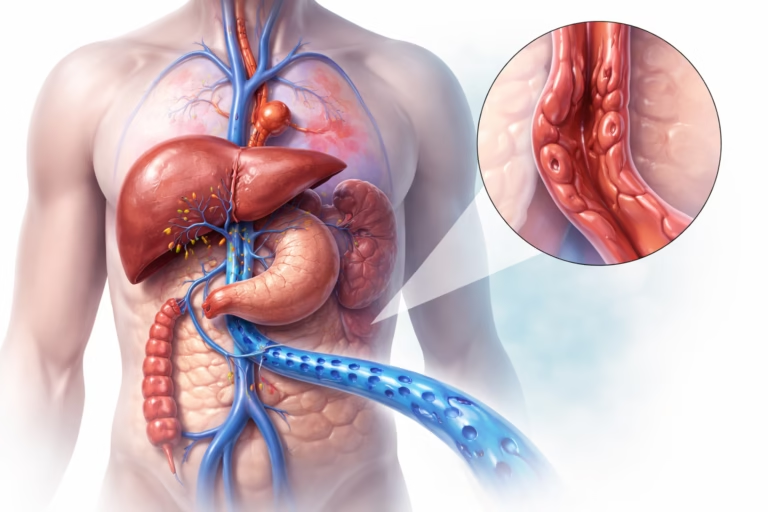
- Bloodstream infections (sepsis): rapid heart rate, confusion, low blood pressure
Severe infections can lead to complications such as organ dysfunction or septic shock, which require urgent medical care.
Diagnosis and Screening
Accurate diagnosis is essential for appropriate treatment.
Clinical Evaluation
Healthcare professionals typically begin with:
- A detailed medical history
- Physical examination
- Assessment of recent exposures or travel
Laboratory and Diagnostic Tests
Depending on suspicion, tests may include:
- Blood tests (e.g., white blood cell count, inflammatory markers)
- Cultures (blood, urine, sputum, wound swab)
- Polymerase chain reaction (PCR) tests to detect genetic material from pathogens
- Imaging studies (e.g., chest X-ray for pneumonia)
- Rapid antigen tests for certain viral infections
Antibiotic sensitivity testing may be performed for bacterial infections to determine the most effective medication.
Treatment and Management Options
Treatment depends on the type and severity of infection.
Bacterial Infections
- Treated with antibiotics
- Selection depends on the suspected organism and local resistance patterns
- It is important to complete prescribed antibiotic courses unless otherwise directed by a clinician
Viral Infections
- Often managed with supportive care (rest, hydration, fever control)
- Some require antiviral medications (e.g., influenza, HIV, herpes viruses)
Fungal Infections
- Treated with antifungal medications (topical or systemic)
Parasitic Infections
- Managed with antiparasitic drugs, specific to the organism
Supportive Care
For many infections, management also includes:
- Adequate hydration
- Fever control (e.g., acetaminophen where appropriate)
- Oxygen therapy (in severe respiratory illness)
- Hospitalization for intravenous therapy if necessary
Severe infections, such as sepsis, require prompt, intensive medical treatment.
Prevention and Lifestyle Considerations
Preventing infections is often more effective than treating them.
Personal Prevention Strategies
- Regular handwashing with soap and water
- Appropriate vaccination
- Safe food handling practices
- Safe sexual practices
- Proper wound care
- Avoiding close contact with sick individuals when possible
Public Health Measures
- Clean water and sanitation systems
- Infection control measures in healthcare settings
- Surveillance and outbreak response systems
- Responsible antibiotic use to reduce antimicrobial resistance
Antimicrobial Resistance
Overuse and misuse of antibiotics contribute to the development of resistant bacteria. This makes infections harder to treat and increases the risk of complications. Responsible prescribing and patient adherence are critical in combating this global health issue.
Conclusion
Infections are a broad and significant group of medical conditions caused by bacteria, viruses, fungi, or parasites. They can range from mild and self-limiting to life-threatening. Understanding how infections occur, recognizing symptoms early, and seeking appropriate medical evaluation are key steps in effective management.
Advances in diagnostic testing, antimicrobial treatments, and vaccination programs have significantly improved outcomes. However, prevention—through hygiene, vaccination, and responsible antibiotic use—remains one of the most powerful tools in reducing the burden of infectious diseases worldwide.
Disclaimer: This article is intended for educational purposes only and should not be considered medical advice. If you have symptoms or concerns about an infection, consult a qualified healthcare professional for diagnosis and treatment.