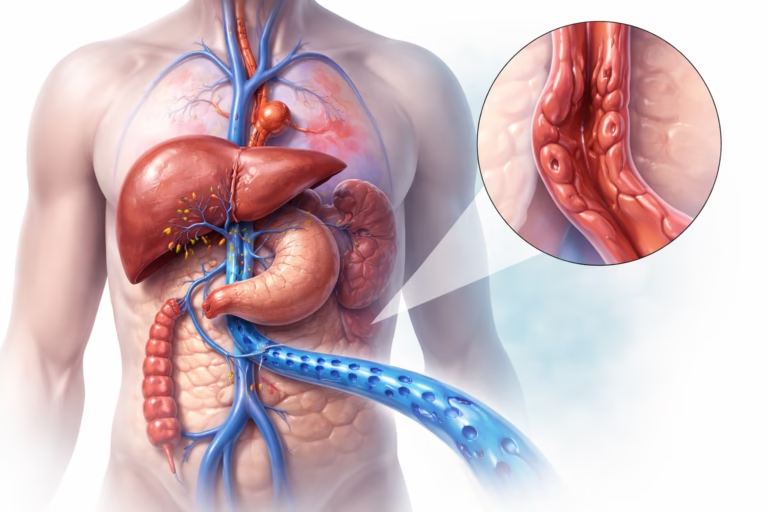
Immunotherapy: Harnessing the Body’s Immune System to Fight Disease

Modern medicine has long relied on surgery, chemotherapy, radiation, and medications to treat disease. In recent decades, however, a powerful new approach has changed the landscape of treatment—immunotherapy. Rather than directly targeting a disease (such as cancer cells), immunotherapy works by strengthening or modifying the body’s own immune system to recognize and eliminate harmful cells more effectively.
This innovative treatment strategy has transformed outcomes for many conditions, particularly certain types of cancer. In this article, we’ll explore what immunotherapy is, how it works, who it may benefit, and what patients can expect.
Overview / Definition
Immunotherapy refers to a group of treatments that enhance, suppress, or modify the immune system to fight disease. While most commonly associated with cancer treatment, immunotherapy is also used for:
- Autoimmune disorders (e.g., rheumatoid arthritis, lupus)
- Allergies (e.g., allergy shots)
- Infectious diseases
- Organ transplantation (to prevent rejection)
In cancer care, immunotherapy helps the immune system:
- Identify cancer cells more clearly
- Overcome mechanisms that tumors use to evade detection
- Mount a stronger and more sustained attack
Common Types of Immunotherapy
- Checkpoint Inhibitors
These drugs block proteins (such as PD-1, PD-L1, or CTLA-4) that prevent immune cells from attacking cancer. - CAR T-Cell Therapy
A highly specialized treatment in which a patient’s T-cells are genetically modified to target specific cancer cells. - Monoclonal Antibodies
Laboratory-engineered antibodies that bind to specific targets on cancer cells. - Cancer Vaccines
Designed to stimulate the immune system to attack certain cancers. - Cytokine Therapy
Uses immune system proteins (like interleukins or interferons) to boost immune response.
Causes or Risk Factors
Immunotherapy itself does not cause disease—it is a treatment modality. However, whether someone becomes a candidate for immunotherapy often depends on:
- Type of disease (e.g., melanoma, lung cancer, lymphoma)
- Genetic markers (e.g., PD-L1 expression levels, tumor mutations)
- Stage of disease
- Previous treatment response
- Overall health and immune status
Some cancers respond better to immunotherapy than others, particularly those with high mutation rates, such as melanoma and certain lung cancers.
Symptoms or Clinical Presentation
Immunotherapy is used to treat underlying disease—not symptoms directly. However, understanding symptoms is important in two ways:
1. Symptoms of the Underlying Disease
For example:
- Persistent cough or chest pain (lung cancer)
- Unexplained weight loss
- Fatigue
- Swollen lymph nodes
- Abnormal bleeding
2. Side Effects of Immunotherapy
Because immunotherapy stimulates the immune system, side effects often resemble autoimmune reactions, where the immune system attacks healthy tissues.
Common side effects may include:
- Fatigue
- Skin rash or itching
- Fever or chills
- Diarrhea or colitis
- Joint or muscle pain
Less commonly, it may affect organs such as:
- Thyroid (leading to thyroid dysfunction)
- Lungs (pneumonitis)
- Liver (hepatitis)
- Heart (myocarditis)
Prompt communication with healthcare providers is essential if new symptoms occur during treatment.
Diagnosis or Screening
Immunotherapy itself is not a screening tool, but certain tests determine whether a patient is a good candidate.
Diagnostic and Predictive Testing May Include:
- Tumor biopsy to identify cancer type
- PD-L1 expression testing
- Genetic profiling (e.g., MSI-H, TMB testing)
- Blood tests to evaluate organ function
- Imaging studies (CT, MRI, PET scans)
These evaluations help guide treatment selection and predict likelihood of response.
Treatment or Management Options
Immunotherapy may be used:
- Alone
- In combination with chemotherapy
- With targeted therapy
- Before or after surgery
Administration Methods
Depending on the treatment type, immunotherapy may be given:
- Intravenously (IV infusion)
- Subcutaneously (injection under the skin)
- Orally (in some immune-modulating drugs)
- Through personalized cell infusions (CAR T-cell therapy)
Monitoring During Treatment
Patients undergoing immunotherapy typically require:
- Regular imaging studies
- Blood tests to monitor organ function
- Ongoing assessment for autoimmune-related side effects
Treatment duration varies and may continue for months or even years, depending on response and tolerance.
Prevention or Lifestyle Considerations
While immunotherapy itself is not preventable, certain lifestyle choices can support immune health and overall treatment outcomes:
- Avoid tobacco use
- Maintain a balanced diet rich in fruits and vegetables
- Engage in regular physical activity as tolerated
- Manage stress
- Keep up with recommended vaccinations (under physician guidance)
- Attend all follow-up appointments
Maintaining open communication with healthcare providers is crucial during therapy.
Potential Benefits and Limitations
Benefits
- Long-lasting responses in some cancers
- Fewer traditional chemotherapy side effects (e.g., hair loss, severe nausea)
- Potential for durable remission
- Personalized treatment strategies
Limitations
- Not effective for all patients
- Can cause serious immune-related side effects
- Often expensive
- Requires specialized medical facilities
Ongoing research continues to expand understanding and improve outcomes.
Conclusion
Immunotherapy represents one of the most significant advancements in modern medicine. By empowering the immune system to recognize and destroy disease, particularly cancer, it has improved survival and quality of life for many patients. However, it is not universally effective and may carry unique risks that require careful monitoring.
As research continues, immunotherapy is likely to become even more precise, personalized, and widely applicable—offering hope in conditions once considered difficult to treat.
Disclaimer
This article is intended for educational purposes only and does not constitute medical advice. If you have questions about immunotherapy or treatment options, consult a qualified healthcare professional for personalized evaluation and guidance.