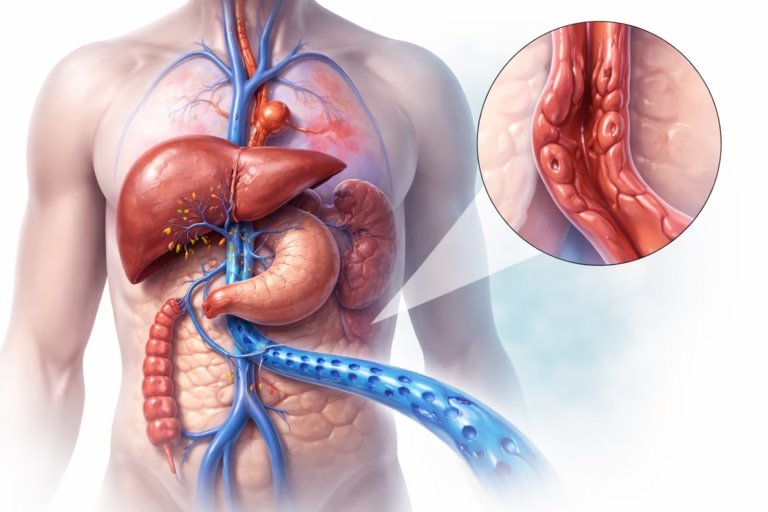
IBS‑C: Understanding Constipation‑Predominant Irritable Bowel Syndrome

Digestive discomfort is something most people experience from time to time. But when constipation, bloating, and abdominal pain become ongoing problems that interfere with daily life, the cause may be IBS‑C, or constipation-predominant irritable bowel syndrome.
IBS‑C is a common yet often misunderstood gastrointestinal condition. It can significantly affect quality of life, but with appropriate diagnosis and management, symptoms can be controlled. This article provides a clear, evidence-based overview of IBS‑C — including its causes, symptoms, diagnosis, and treatment options.
Overview: What Is IBS‑C?
Irritable bowel syndrome (IBS) is a functional gastrointestinal disorder, meaning the digestive tract appears structurally normal but does not function properly. IBS is categorized into subtypes based on stool patterns:
- IBS‑C: Constipation-predominant
- IBS‑D: Diarrhea-predominant
- IBS‑M: Mixed constipation and diarrhea
- IBS‑U: Unclassified
In IBS‑C, individuals primarily experience:
- Hard or lumpy stools
- Infrequent bowel movements
- Straining during defecation
- Abdominal discomfort associated with bowel movements
Importantly, IBS‑C is a chronic condition involving altered gut motility, increased intestinal sensitivity, and disruptions in brain‑gut communication.
Causes and Risk Factors
The exact cause of IBS‑C is not fully understood, but research suggests a combination of factors contributes to its development.
1. Altered Gut Motility
The colon may move stool too slowly, allowing excessive water absorption and resulting in hard stools.
2. Visceral Hypersensitivity
People with IBS often have heightened sensitivity in the intestines, meaning normal digestive activity may feel painful.
3. Brain–Gut Axis Dysregulation
The digestive system and brain communicate continuously. Stress and psychological factors can disrupt this connection, worsening symptoms.
4. Gut Microbiome Changes
Alterations in intestinal bacteria may influence motility, inflammation, and symptom severity.
5. Psychological and Environmental Factors
Risk factors may include:
- Chronic stress
- Anxiety or depression
- History of gastrointestinal infection (post-infectious IBS)
- Female sex (IBS is more commonly diagnosed in women)
- Family history of IBS
Symptoms and Clinical Presentation
Symptoms of IBS‑C can vary in intensity and frequency. The hallmark features include both constipation and recurring abdominal discomfort.
Common Symptoms
- Fewer than three bowel movements per week
- Hard or pellet-like stools
- Straining during bowel movements
- Sensation of incomplete evacuation
- Bloating and abdominal distension
- Abdominal pain or cramping relieved by defecation
Symptoms typically persist for at least three months, with onset at least six months before diagnosis (based on Rome IV criteria).
When to Seek Medical Evaluation
Certain symptoms are not typical of IBS and warrant prompt medical assessment:
- Unexplained weight loss
- Rectal bleeding
- Anemia
- Fever
- Family history of colorectal cancer or inflammatory bowel disease
- Onset after age 50
These “alarm features” may indicate other conditions that require further investigation.
Diagnosis and Screening
There is no single test that confirms IBS‑C. Diagnosis is based primarily on symptom patterns and exclusion of other medical conditions.
Diagnostic Criteria (Rome IV)
A diagnosis requires:
- Recurrent abdominal pain, on average, at least 1 day per week in the last 3 months
Associated with two or more of the following:
- Related to defecation
- Change in stool frequency
- Change in stool form (appearance)
In IBS‑C specifically, more than 25% of stools are hard or lumpy, and fewer than 25% are loose.
Diagnostic Evaluation May Include:
- Physical examination
- Blood tests (to rule out anemia, celiac disease, thyroid disorders)
- Stool tests (if indicated)
- Colonoscopy (especially if alarm features are present or patient is over 45–50 depending on screening guidelines)
Excessive testing is generally avoided unless warning signs are present.
Treatment and Management Options
Management of IBS‑C focuses on symptom relief, improving bowel function, and enhancing quality of life. Treatment is often individualized.
1. Dietary Modifications
Fiber supplementation
- Soluble fiber (e.g., psyllium) may improve stool frequency and consistency.
- Insoluble fiber can sometimes worsen bloating.
Low‑FODMAP diet
- Restricts fermentable carbohydrates that can trigger bloating and pain.
- Should ideally be implemented with guidance from a dietitian.
Hydration
- Adequate water intake supports bowel function.
2. Medications
Several medication classes may be used depending on symptom severity:
Over‑the‑Counter (OTC)
- Osmotic laxatives (e.g., polyethylene glycol)
- Fiber supplements
Prescription Medications
- Lubiprostone (increases intestinal fluid secretion)
- Linaclotide and Plecanatide (enhance fluid secretion and reduce pain)
- Tenapanor (reduces sodium absorption to increase bowel movements)
These medications target specific mechanisms involved in IBS‑C.
3. Managing Abdominal Pain
- Antispasmodics may help relieve cramping.
- Low-dose antidepressants (e.g., tricyclic antidepressants or SSRIs) may help regulate pain perception through the brain–gut axis.
4. Behavioral and Psychological Therapies
Because stress can influence symptoms, brain–gut therapies may be beneficial:
- Cognitive behavioral therapy (CBT)
- Gut-directed hypnotherapy
- Stress-reduction techniques (mindfulness, relaxation training)
These approaches are evidence-based and can significantly reduce symptom severity in some patients.
Prevention and Lifestyle Considerations
There is no guaranteed way to prevent IBS‑C, but certain habits may help manage or reduce symptom flares:
- Maintain consistent meal patterns
- Engage in regular physical activity
- Prioritize sleep quality
- Manage stress effectively
- Avoid known dietary triggers
- Keep a symptom diary to identify patterns
Lifestyle optimization plays a major role in long-term symptom control.
Living with IBS‑C
Although IBS‑C does not cause structural damage to the intestines or increase the risk of colon cancer, it can significantly impact daily functioning, mental wellbeing, and social life. Open communication with healthcare providers and a structured treatment plan can improve outcomes.
Many patients benefit from a multidisciplinary approach, combining dietary, pharmacologic, and behavioral strategies.
Conclusion
IBS‑C is a chronic functional gastrointestinal disorder characterized by constipation, abdominal discomfort, and altered bowel habits. While its exact cause is multifactorial — involving gut motility changes, heightened sensitivity, and brain‑gut communication — effective treatments are available.
Key takeaways:
- IBS‑C is diagnosed based on symptom criteria, not a single definitive test.
- Management often includes dietary changes, medications, and stress reduction.
- Alarm symptoms such as bleeding or weight loss require medical evaluation.
- A personalized, evidence-based plan can greatly improve quality of life.
If you suspect IBS‑C or experience ongoing digestive symptoms, consult a qualified healthcare professional for proper evaluation and guidance.
Disclaimer:
This article is for educational purposes only and does not constitute medical advice. If you are experiencing symptoms or have health concerns, please consult a licensed healthcare provider for personalized assessment and treatment.