Hyperthyroidism: Understanding an Overactive Thyroid
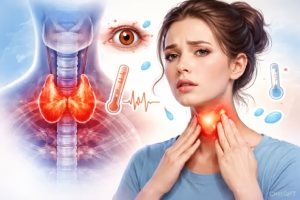
Hyperthyroidism is a medical condition in which the thyroid gland produces more hormones than the body needs. Although small in size, the thyroid plays a critical role in regulating metabolism, energy levels, heart rate, and many other essential functions. When it becomes overactive, it can significantly affect overall health and quality of life.
This article provides a clear, evidence-based overview of hyperthyroidism, including its causes, symptoms, diagnosis, treatment options, and lifestyle considerations.
Overview: What Is Hyperthyroidism?
The thyroid is a butterfly-shaped gland located at the front of the neck. It produces two primary hormones:
- Thyroxine (T4)
- Triiodothyronine (T3)
These hormones regulate the body’s metabolic rate — essentially how quickly the body uses energy.
Hyperthyroidism occurs when the thyroid gland produces excessive amounts of T3 and T4, causing metabolic processes to speed up. This can affect nearly every organ system, particularly the heart, nervous system, and digestive system.
It is more common in women than in men and can occur at any age, although it most often develops between ages 20 and 50.
Causes and Risk Factors
Several conditions can lead to hyperthyroidism. The most common causes include:
1. Graves’ Disease
- An autoimmune disorder
- The immune system mistakenly stimulates the thyroid to produce excess hormones
- Most common cause of hyperthyroidism
2. Toxic Multinodular Goiter
- Enlarged thyroid with multiple nodules
- Some nodules produce excess thyroid hormone independently
3. Thyroiditis
- Inflammation of the thyroid gland
- May cause temporary release of stored thyroid hormones
4. Excess Iodine Intake
- Iodine is needed to produce thyroid hormones
- Excessive intake (through diet, supplements, or medications like amiodarone) can trigger hyperthyroidism in susceptible individuals
5. Overmedication with Thyroid Hormone
- Occurs in individuals treated for hypothyroidism if dosage is too high
Risk Factors
- Family history of thyroid disease
- Female sex
- Pregnancy or recent postpartum period
- Other autoimmune disorders (e.g., type 1 diabetes, rheumatoid arthritis)
Symptoms and Clinical Presentation
Because thyroid hormones influence many systems, symptoms can vary. They may develop gradually or appear suddenly.
Common Symptoms
- Unintentional weight loss despite normal or increased appetite
- Rapid or irregular heartbeat (palpitations)
- Increased sweating
- Heat intolerance
- Nervousness, anxiety, or irritability
- Tremors (especially in the hands)
- Fatigue or muscle weakness
- Frequent bowel movements
Additional Signs
- Enlarged thyroid (goiter)
- Thinning skin
- Fine, brittle hair
- Irregular menstrual cycles
- Sleep disturbances
Graves’ Disease-Specific Symptoms
- Bulging eyes (Graves’ ophthalmopathy)
- Eye irritation, dryness, or double vision
In older adults, symptoms may be subtler and may include fatigue, depression, or unexplained weight loss — a presentation sometimes called “apathetic hyperthyroidism.”
Diagnosis and Screening
Hyperthyroidism is diagnosed through a combination of clinical evaluation and laboratory testing.
1. Blood Tests
The first step typically includes measuring:
- Thyroid-stimulating hormone (TSH) — usually low in hyperthyroidism
- Free T4 and T3 — typically elevated
Low TSH with high T4 and/or T3 confirms the diagnosis.
2. Antibody Testing
Used to identify autoimmune causes such as Graves’ disease.
3. Radioactive Iodine Uptake (RAIU) Test
Measures how much iodine the thyroid absorbs. High uptake suggests Graves’ disease or toxic nodules, while low uptake may indicate thyroiditis.
4. Imaging
- Thyroid ultrasound to evaluate nodules
- Thyroid scan for functional assessment
Early diagnosis is important to prevent complications such as heart problems or bone loss.
Treatment and Management Options
Treatment depends on the underlying cause, severity, age, and individual health factors. There are three main treatment approaches.
1. Antithyroid Medications
Examples:
- Methimazole
- Propylthiouracil (PTU)
These medications:
- Reduce thyroid hormone production
- May be used long-term or temporarily
- Often first-line therapy in mild to moderate cases
2. Radioactive Iodine Therapy
- Administered orally
- Destroys overactive thyroid cells
- Often results in hypothyroidism, requiring lifelong thyroid hormone replacement
Commonly used in adults and considered safe and effective.
3. Surgery (Thyroidectomy)
Partial or total removal of the thyroid gland may be recommended if:
- There is a large goiter
- Suspicious nodules are present
- Other treatments are unsuitable or ineffective
Surgery typically requires lifelong hormone replacement afterward.
Symptom Management
Beta-blockers (e.g., propranolol) may be prescribed to:
- Reduce heart rate
- Control tremors
- Manage anxiety symptoms
They do not treat the underlying thyroid problem but help relieve symptoms.
Potential Complications
Untreated hyperthyroidism can lead to serious health risks, including:
- Atrial fibrillation (irregular heartbeat)
- Heart failure
- Osteoporosis
- Thyroid storm — a rare but life-threatening emergency characterized by extreme symptoms such as high fever, rapid pulse, and confusion
Prompt medical care significantly reduces these risks.
Prevention and Lifestyle Considerations
Hyperthyroidism cannot usually be prevented, particularly when autoimmune causes are involved. However, certain measures can help support overall health:
Lifestyle Tips
- Maintain regular medical checkups if you have thyroid risk factors
- Avoid excessive iodine supplementation unless medically advised
- Follow prescribed medication instructions carefully
- Manage stress through relaxation techniques
- Ensure adequate calcium and vitamin D intake to protect bone health
For individuals undergoing treatment, regular blood tests are essential to monitor hormone levels and adjust therapy as needed.
Conclusion
Hyperthyroidism is a common endocrine disorder characterized by excessive thyroid hormone production and an accelerated metabolism. It can cause wide-ranging symptoms, from weight loss and rapid heartbeat to anxiety and fatigue. Fortunately, effective treatments — including medications, radioactive iodine therapy, and surgery — allow most individuals to manage the condition successfully.
Early recognition, accurate diagnosis, and appropriate treatment are key to preventing complications and maintaining long-term health.
Disclaimer:
This article is intended for educational purposes only and does not replace professional medical advice. If you have symptoms or concerns related to thyroid health, please consult a qualified healthcare professional for proper evaluation and treatment.