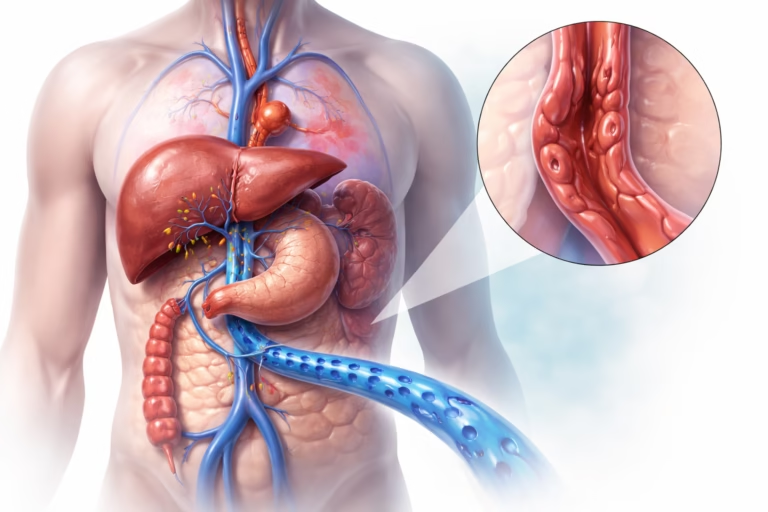
Hyperkalemia: Understanding High Potassium Levels in the Blood
Potassium is an essential mineral that plays a critical role in keeping your heart beating, muscles contracting, and nerves functioning properly. But like many things in medicine, balance is everything. When potassium levels in the blood rise too high, a condition known as hyperkalemia can occur.
Although mild cases may not cause noticeable symptoms, severe hyperkalemia can disrupt the heart’s rhythm and become a life-threatening emergency. Understanding its causes, warning signs, and treatment options is key to protecting your health.
Overview / Definition
Hyperkalemia refers to an abnormally high concentration of potassium in the bloodstream.
- Normal blood potassium levels typically range from 3.5 to 5.0 milliequivalents per liter (mEq/L).
- Hyperkalemia is generally defined as a level above 5.0 mEq/L.
- Severe hyperkalemia may occur when levels exceed 6.0 mEq/L, increasing the risk of dangerous heart rhythm disturbances (arrhythmias).
Potassium is primarily stored inside cells. The kidneys regulate potassium balance by excreting excess amounts through urine. When the body cannot properly control potassium levels, hyperkalemia may develop.
Causes and Risk Factors
Hyperkalemia often results from a combination of factors, particularly involving kidney function or certain medications.
1. Reduced Kidney Function
The kidneys play a major role in removing excess potassium. Conditions that impair kidney function are the most common cause of hyperkalemia:
- Chronic kidney disease (CKD)
- Acute kidney injury
- Advanced diabetes affecting the kidneys
- Severe dehydration
2. Medications
Certain drugs can increase potassium levels, especially in people with underlying kidney issues. These include:
- ACE inhibitors (e.g., lisinopril)
- Angiotensin II receptor blockers (ARBs)
- Potassium-sparing diuretics (e.g., spironolactone)
- Nonsteroidal anti-inflammatory drugs (NSAIDs)
- Beta-blockers
- Some antibiotics (e.g., trimethoprim)
- Potassium supplements
3. Excess Potassium Intake
In people with healthy kidneys, diet alone rarely causes hyperkalemia. However, excessive intake of:
- Potassium supplements
- Salt substitutes containing potassium
- High-potassium foods in large quantities (especially in CKD patients)
may contribute to elevated levels.
4. Cellular Shifts
Potassium normally resides inside cells. Certain conditions can cause it to shift into the bloodstream:
- Severe trauma or burns
- Rhabdomyolysis (muscle breakdown)
- Tumor lysis syndrome
- Uncontrolled diabetes (diabetic ketoacidosis)
- Metabolic acidosis
Symptoms and Clinical Presentation
One of the challenges of hyperkalemia is that mild cases may produce no symptoms at all. However, as potassium levels rise, symptoms may develop.
Common Symptoms
- Muscle weakness
- Fatigue
- Nausea
- Tingling or numbness
Severe Symptoms (Medical Emergency)
- Irregular heartbeat
- Chest pain
- Palpitations
- Shortness of breath
- Sudden collapse (in extreme cases)
Dangerous heart rhythm disturbances can occur without significant warning symptoms. This is why regular monitoring is crucial for individuals at risk.
Diagnosis and Screening
Hyperkalemia is typically diagnosed through a blood test that measures serum potassium levels.
Diagnostic Tools
- Serum potassium test
- Electrocardiogram (ECG or EKG) – to assess for heart rhythm changes
- Kidney function tests (creatinine, blood urea nitrogen)
- Blood glucose and acid-base measurements if indicated
ECG Changes in Hyperkalemia
As potassium levels rise, characteristic ECG changes may appear, including:
- Peaked T waves
- Widened QRS complexes
- Flattened P waves
- Severe arrhythmias in advanced cases
It’s important to note that ECG changes may not always correlate precisely with potassium levels, so careful medical evaluation is essential.
Treatment and Management Options
Treatment depends on:
- The severity of potassium elevation
- The presence of symptoms
- Underlying causes
1. Emergency Treatment (Severe Hyperkalemia)
When potassium levels are dangerously high or ECG changes are present, immediate medical intervention is required. Treatment may include:
- Calcium gluconate (IV) – protects the heart from arrhythmias
- Insulin with glucose – shifts potassium back into cells
- Beta-agonists (e.g., albuterol)
- Sodium bicarbonate (in certain cases of acidosis)
- Dialysis (if the kidneys cannot remove potassium effectively)
2. Chronic or Mild Hyperkalemia Management
For stable cases, management focuses on long-term control:
- Adjusting or discontinuing contributing medications
- Dietary potassium restriction (especially in CKD patients)
- Potassium-binding medications (e.g., patiromer, sodium zirconium cyclosilicate)
- Treating underlying kidney or metabolic conditions
Close medical supervision is important to prevent recurrence.
Prevention and Lifestyle Considerations
While not all cases of hyperkalemia are preventable, certain strategies can reduce risk—especially for individuals with kidney disease.
Preventive Measures
- Regular monitoring of kidney function and electrolytes
- Taking medications exactly as prescribed
- Avoiding overuse of potassium supplements
- Reading labels on salt substitutes
- Following dietary recommendations provided by a healthcare professional
Dietary Awareness
High-potassium foods include:
- Bananas
- Oranges and orange juice
- Potatoes
- Tomatoes
- Spinach
- Avocados
- Beans
For people with kidney disease, coordinated dietary planning with a registered dietitian can be particularly helpful.
Conclusion
Hyperkalemia is a potentially serious condition characterized by elevated potassium levels in the blood. While mild cases may go unnoticed, severe hyperkalemia can disrupt heart rhythm and become life-threatening.
The most common causes include kidney dysfunction, certain medications, and conditions that shift potassium from cells into the bloodstream. Early detection through blood tests and appropriate treatment are vital to preventing complications.
If you have kidney disease or take medications that affect potassium levels, regular medical monitoring is essential.
Disclaimer: This article is intended for educational purposes only and does not replace professional medical advice. If you have concerns about potassium levels or experience symptoms such as muscle weakness or irregular heartbeat, consult a qualified healthcare professional promptly.