Hyperglycemia: Causes, Symptoms, Diagnosis, and Management
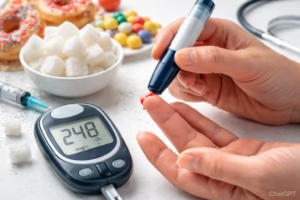
Hyperglycemia, commonly known as high blood sugar, occurs when there is too much glucose circulating in the bloodstream. While glucose is essential for energy, chronically elevated levels can lead to serious health complications if left untreated. Hyperglycemia is most often associated with diabetes, but it can also occur in other medical contexts.
Understanding the causes, warning signs, and management strategies for hyperglycemia is essential for protecting long-term health and preventing complications. This article provides a comprehensive, evidence-based overview in clear and accessible language.
Overview / Definition
Hyperglycemia refers to higher-than-normal blood glucose levels. In general:
- A fasting blood glucose level above 130 mg/dL (7.2 mmol/L)
- A post-meal (postprandial) level above 180 mg/dL (10.0 mmol/L)
may indicate hyperglycemia, particularly in individuals with diabetes.
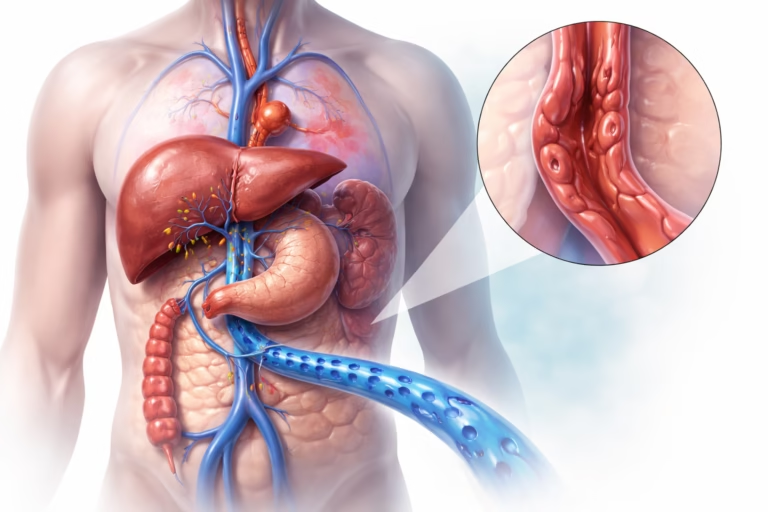
Glucose is the body’s primary energy source. It comes from dietary carbohydrates and is regulated mainly by the hormone insulin, which helps move glucose from the bloodstream into cells. When insulin production is insufficient or cells become resistant to insulin, glucose accumulates in the blood.
Hyperglycemia can be:
- Acute (short-term) — often triggered by illness, stress, or missed medication
- Chronic (long-term) — typically due to uncontrolled diabetes
Persistent hyperglycemia increases the risk of serious complications affecting the heart, kidneys, nerves, and eyes.
Causes and Risk Factors
Hyperglycemia most commonly occurs in people with diabetes mellitus, but several factors may contribute.
Primary Causes
- Type 1 diabetes – The body produces little or no insulin.
- Type 2 diabetes – The body becomes resistant to insulin or does not produce enough.
- Gestational diabetes – Diabetes occurring during pregnancy.
Contributing Factors
- Skipping or improperly taking diabetes medications
- Overeating carbohydrates
- Physical inactivity
- Psychological stress
- Acute infections or illness
- Certain medications (e.g., corticosteroids, some antipsychotics)
- Hormonal disorders such as Cushing’s syndrome
Risk Factors for Chronic Hyperglycemia
- Family history of diabetes
- Obesity or overweight
- Sedentary lifestyle
- High blood pressure
- Polycystic ovary syndrome (PCOS)
- History of gestational diabetes
Understanding these risk factors can help identify individuals who may benefit from early screening and lifestyle modifications.
Symptoms and Clinical Presentation
Mild hyperglycemia may not produce noticeable symptoms. However, as blood glucose rises, common signs begin to appear.
Early Symptoms
- Increased thirst (polydipsia)
- Frequent urination (polyuria)
- Increased hunger (polyphagia)
- Fatigue
- Blurred vision
- Headaches
More Severe Symptoms
If hyperglycemia becomes significant and remains untreated, it can lead to serious complications such as:
- Diabetic ketoacidosis (DKA) – More common in type 1 diabetes; symptoms include nausea, vomiting, abdominal pain, rapid breathing, and confusion.
- Hyperosmolar hyperglycemic state (HHS) – More common in type 2 diabetes; characterized by severe dehydration and altered mental status.
Both DKA and HHS are medical emergencies requiring immediate treatment.
Diagnosis and Screening
Hyperglycemia is diagnosed through blood glucose testing. Common diagnostic methods include:
1. Fasting Plasma Glucose (FPG)
- Measured after at least 8 hours of fasting
- A level of 126 mg/dL (7.0 mmol/L) or higher on two separate tests suggests diabetes
2. Oral Glucose Tolerance Test (OGTT)
- Blood sugar is measured before and after consuming a glucose drink
- A 2-hour value of 200 mg/dL (11.1 mmol/L) or higher indicates diabetes
3. Hemoglobin A1c (HbA1c)
- Reflects average blood glucose over the past 2–3 months
- A value of 6.5% or higher suggests diabetes
4. Random Blood Glucose Test
- A level of 200 mg/dL (11.1 mmol/L) or higher, along with symptoms, may indicate diabetes
Routine screening is recommended for individuals with risk factors, particularly adults over age 35 or those who are overweight with additional risk factors.
Treatment and Management Options
Managing hyperglycemia focuses on maintaining blood glucose within target ranges to prevent complications.
1. Medication
Treatment depends on the underlying cause:
- Insulin therapy (essential for type 1 diabetes and sometimes for type 2)
- Oral medications such as metformin
- Non-insulin injectables (e.g., GLP-1 receptor agonists)
- SGLT2 inhibitors and other targeted agents
Medication regimens should be individualized under medical supervision.
2. Blood Glucose Monitoring
Regular monitoring helps assess treatment effectiveness and detect fluctuations. This may involve:
- Fingerstick glucose checks
- Continuous glucose monitoring (CGM) systems
- Periodic HbA1c testing
3. Acute Management
In cases of severe hyperglycemia:
- Intravenous fluids
- Electrolyte replacement
- Insulin therapy in a hospital setting
Prompt treatment reduces the risk of complications.
Prevention and Lifestyle Considerations
Lifestyle modifications are central to both prevention and management.
Healthy Eating
- Focus on whole grains, lean proteins, vegetables, and healthy fats
- Limit refined sugars and processed carbohydrates
- Practice portion control
- Distribute carbohydrate intake evenly throughout the day
Physical Activity
- Aim for at least 150 minutes of moderate-intensity exercise per week
- Include both aerobic and resistance training
- Physical activity improves insulin sensitivity
Weight Management
Even modest weight loss (5–10% of body weight) can significantly improve blood sugar control in individuals with type 2 diabetes.
Stress Management
Chronic stress can elevate blood glucose levels. Helpful strategies include:
- Mindfulness practices
- Regular sleep patterns
- Relaxation techniques
Medication Adherence
Taking prescribed medications consistently and as directed is crucial for stable blood glucose control.
Potential Complications of Chronic Hyperglycemia
If left untreated, prolonged hyperglycemia can lead to:
- Cardiovascular disease
- Kidney damage (diabetic nephropathy)
- Nerve damage (neuropathy)
- Vision problems (retinopathy)
- Foot complications
Early detection and proactive management significantly reduce these risks.
Conclusion
Hyperglycemia is a condition characterized by elevated blood glucose levels, most commonly associated with diabetes. It can develop silently or present with classic symptoms such as increased thirst, frequent urination, and fatigue. When left untreated, it may lead to serious acute and long-term complications.
Effective management involves:
- Accurate diagnosis and regular monitoring
- Appropriate medication use
- Healthy lifestyle habits
- Routine medical follow-up
By understanding the causes, symptoms, and management strategies, individuals can take proactive steps to protect their health and prevent complications.
Disclaimer
This article is intended for educational purposes only and does not constitute medical advice. If you have concerns about blood sugar levels or symptoms related to hyperglycemia, please consult a qualified healthcare professional for personalized evaluation and treatment.