High Cholesterol: What You Need to Know for Better Heart Health

High cholesterol is a common but often silent health condition that affects millions of people worldwide. Because it usually has no symptoms, many individuals are unaware they have it, until serious complications such as heart disease or stroke occur. Understanding what high cholesterol is, how it develops, and how it can be managed is an important step toward protecting your long-term health.
This article provides a clear, medically accurate overview of high cholesterol, including its causes, diagnosis, treatment options, and evidence-based prevention strategies.
Overview / Definition
Cholesterol is a waxy, fat-like substance found in every cell of the body. It is essential for:
- Building cell membranes
- Producing certain hormones
- Making vitamin D
- Aiding in digestion through bile acid production
Cholesterol travels through the bloodstream in particles called lipoproteins, which include:
- Low-density lipoprotein (LDL): Often called “bad” cholesterol, because high levels can lead to plaque buildup in arteries.
- High-density lipoprotein (HDL): Known as “good” cholesterol, as it helps remove excess cholesterol from the bloodstream.
- Triglycerides: A type of fat in the blood that can also increase cardiovascular risk when elevated.
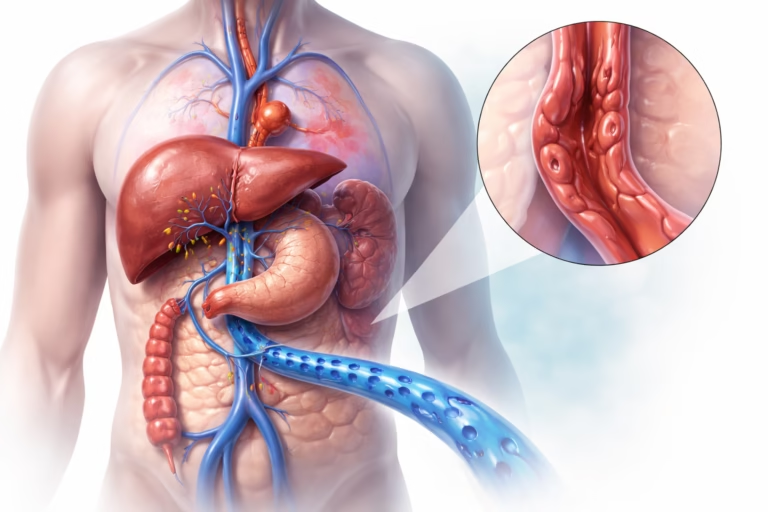
High cholesterol (hypercholesterolemia) refers to elevated levels of LDL cholesterol and/or triglycerides, or low levels of HDL cholesterol. Over time, excess LDL cholesterol can accumulate in artery walls, forming plaque—a process called atherosclerosis—which narrows and hardens arteries.
This increases the risk of:
- Coronary artery disease
- Heart attack
- Stroke
- Peripheral artery disease
Causes and Risk Factors
High cholesterol can result from a combination of genetic, lifestyle, and medical factors.
Non-Modifiable Risk Factors
- Age (risk increases with age)
- Family history of heart disease
- Genetic conditions, such as familial hypercholesterolemia
- Biological sex (risk patterns differ between men and women, particularly after menopause)
Modifiable Risk Factors
- Diet high in saturated fats and trans fats
- Lack of physical activity
- Obesity or overweight
- Smoking
- Excessive alcohol consumption
- Poorly controlled diabetes
- Chronic kidney disease
- Hypothyroidism
In many cases, high cholesterol develops gradually over time, influenced by both lifestyle habits and inherited traits.
Symptoms or Clinical Presentation
High cholesterol itself typically causes no symptoms. It is often discovered during routine blood tests.
However, over time, untreated high cholesterol may lead to complications such as:
- Chest pain (angina)
- Shortness of breath
- Heart attack
- Stroke
- Leg pain with walking (peripheral artery disease)
In rare inherited disorders like familial hypercholesterolemia, physical signs such as xanthomas (cholesterol deposits under the skin) or cholesterol deposits around the eyes may appear.
Because it is silent, regular screening is essential.
Diagnosis or Screening
High cholesterol is diagnosed through a blood test called a lipid panel. This test typically measures:
- Total cholesterol
- LDL cholesterol
- HDL cholesterol
- Triglycerides
Screening Recommendations
While guidelines may vary slightly by country, general recommendations include:
- Adults aged 20 and older: cholesterol screening every 4–6 years
- More frequent testing for:
- Individuals with risk factors for heart disease
- Diabetes
- High blood pressure
- Family history of early cardiovascular disease
Results are interpreted based on overall cardiovascular risk—not just individual numbers. Healthcare providers often use risk calculators to estimate a person’s 10-year risk of cardiovascular disease.
Treatment or Management Options
Management depends on cholesterol levels and overall cardiovascular risk.
1. Lifestyle Modifications (First-Line Therapy)
For many people, lifestyle changes are the foundation of treatment:
- Adopt a heart-healthy diet
- Increase physical activity
- Maintain a healthy weight
- Quit smoking
- Limit alcohol intake
2. Medications
If lifestyle changes are insufficient or cardiovascular risk is high, medications may be recommended.
Common options include:
- Statins (e.g., atorvastatin, simvastatin): Reduce LDL cholesterol and lower cardiovascular risk.
- Ezetimibe: Decreases cholesterol absorption in the intestine.
- PCSK9 inhibitors: Injectable medications that significantly lower LDL levels.
- Bile acid sequestrants
- Fibrates (especially for high triglycerides)
- Omega-3 fatty acid formulations (for elevated triglycerides)
The choice of medication depends on individual risk factors, cholesterol levels, tolerance, and coexisting medical conditions.
Prevention and Lifestyle Considerations
Preventing high cholesterol and its complications involves sustainable lifestyle habits.
Heart-Healthy Dietary Practices
- Emphasize:
- Fruits and vegetables
- Whole grains
- Legumes
- Nuts and seeds
- Lean proteins (fish, poultry)
- Choose healthy fats:
- Olive oil
- Avocados
- Fatty fish (salmon, mackerel)
- Limit:
- Saturated fats (red meat, butter, full-fat dairy)
- Trans fats (processed and fried foods)
- Refined sugars
Physical Activity
- Aim for at least 150 minutes of moderate-intensity aerobic activity per week
- Include strength training exercises twice weekly
Additional Prevention Tips
- Maintain a healthy body weight
- Manage underlying conditions such as diabetes or high blood pressure
- Stop smoking
- Have regular health check-ups
These measures not only improve cholesterol levels but also support overall cardiovascular health.
Conclusion
High cholesterol is a common, often silent condition that significantly increases the risk of heart disease and stroke. While it may not cause noticeable symptoms, its long-term effects can be serious if left untreated.
The good news is that high cholesterol is both detectable and manageable. Through routine screening, heart-healthy lifestyle changes, and—in some cases, medication, individuals can significantly reduce their cardiovascular risk.
If you have concerns about your cholesterol levels or risk factors, consult a qualified healthcare professional for appropriate evaluation and guidance.
Disclaimer
This article is for educational purposes only and is not a substitute for professional medical advice, diagnosis, or treatment. Always consult a qualified healthcare provider with any questions regarding a medical condition or health concerns.