Herpes: Symptoms, Causes, Treatment, and Prevention
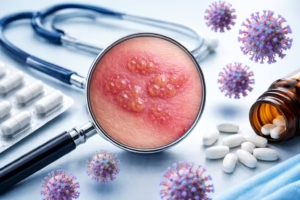
Herpes is a common viral infection that affects millions of people worldwide. Despite its prevalence, it is often misunderstood due to stigma and misinformation. The term herpes refers to infections caused by the herpes simplex virus (HSV), which can cause oral or genital sores. While there is currently no cure for herpes, effective treatments and preventive strategies can help manage symptoms and reduce transmission.
In this article, we’ll explore herpes in detail, from its causes and symptoms to diagnosis, treatment, and prevention, using clear, evidence-based information to help you better understand the condition.
Overview / Definition
Herpes is a viral infection caused by the herpes simplex virus (HSV). There are two main types:
- HSV-1 (Herpes Simplex Virus Type 1): Commonly associated with oral herpes, which causes cold sores around the mouth. However, it can also cause genital infections.
- HSV-2 (Herpes Simplex Virus Type 2): Primarily responsible for genital herpes.
Once a person is infected, the virus remains in the body for life. It can lie dormant (inactive) in nerve cells and reactivate periodically, leading to outbreaks.
According to global health estimates, billions of people under age 50 carry HSV-1, and hundreds of millions are infected with HSV-2.
Causes and Risk Factors
How Is Herpes Transmitted?
Herpes spreads through direct skin-to-skin contact with an infected area, most often during:
- Oral, vaginal, or anal sexual contact
- Kissing (in the case of oral herpes)
- Skin contact with active sores or infected secretions
Importantly, herpes can also be transmitted even when no visible sores are present, a phenomenon known as asymptomatic shedding.
Risk Factors
Factors that increase the risk of herpes transmission include:
- Having multiple sexual partners
- Unprotected sexual contact
- A weakened immune system
- Having another sexually transmitted infection (STI)
- Female sex (for HSV-2, due to biological susceptibility)
Symptoms and Clinical Presentation
Some individuals with herpes experience noticeable symptoms, while others may have very mild or no symptoms at all.
Primary (First) Infection
The initial outbreak is often the most severe and may include:
- Painful blisters or sores at the site of infection (mouth, genitals, or anus)
- Tingling, burning, or itching before sores appear
- Fever
- Swollen lymph nodes
- Body aches and fatigue
- Pain during urination (with genital herpes)
Sores typically:
- Rupture
- Ooze fluid
- Crust over
- Heal within 2 to 4 weeks
Recurrent Outbreaks
After the first infection, the virus remains dormant in nerve tissue. Recurrences may occur due to triggers such as:
- Stress
- Illness or fever
- Hormonal changes (e.g., menstruation)
- Fatigue
- Sun exposure (for oral herpes)
Recurrent outbreaks are usually:
- Shorter in duration
- Less painful
- Accompanied by milder symptoms
Some individuals may never experience another outbreak after the first episode.
Diagnosis and Screening
Herpes can be diagnosed through:
1. Clinical Examination
A healthcare provider may identify herpes based on the appearance of characteristic sores.
2. Laboratory Testing
- PCR (Polymerase Chain Reaction) testing: Detects viral DNA from a swab of a sore. This is highly sensitive and commonly used.
- Viral culture: Less commonly used but can confirm infection.
- Blood tests: Detect HSV antibodies, indicating past exposure. These are useful when sores are absent.
Routine screening for herpes in asymptomatic individuals is not always recommended, as antibody tests do not indicate the location of infection and may cause unnecessary anxiety. Screening decisions should be guided by a healthcare professional.
Treatment and Management Options
There is no cure for herpes, but antiviral medications significantly reduce symptoms, frequency of outbreaks, and transmission risk.
Antiviral Medications
Commonly prescribed antiviral drugs include:
- Acyclovir
- Valacyclovir
- Famciclovir
These medications can be used in two ways:
1. Episodic Therapy
Taken at the first sign of symptoms to:
- Shorten the duration of outbreaks
- Reduce severity
2. Suppressive Therapy
Taken daily to:
- Decrease outbreak frequency
- Reduce asymptomatic viral shedding
- Lower risk of transmitting HSV to partners
Pain Management
For discomfort during outbreaks:
- Over-the-counter pain relievers (e.g., ibuprofen or acetaminophen)
- Warm baths
- Wearing loose-fitting clothing
- Keeping the affected area clean and dry
People with weakened immune systems may require more intensive treatment.
Prevention and Lifestyle Considerations
While herpes cannot be completely eliminated, several strategies reduce the risk of transmission and outbreaks.
Preventing Transmission
- Use condoms consistently and correctly (though they do not cover all skin areas)
- Avoid sexual contact during active outbreaks
- Consider daily suppressive antiviral therapy
- Communicate openly with sexual partners
- Get tested for other STIs
Reducing Outbreak Triggers
- Manage stress through relaxation techniques
- Maintain a balanced diet and adequate sleep
- Protect lips from excessive sun exposure (use lip balm with SPF)
- Address underlying medical conditions
Pregnant individuals with herpes should inform their healthcare provider, as specific precautions may be necessary to protect the newborn during delivery.
Psychological and Social Considerations
Herpes can carry emotional and social challenges due to stigma. It is important to remember:
- Herpes is extremely common.
- Many people live healthy, fulfilling lives with the infection.
- Open communication and education reduce misunderstanding and fear.
Counseling or support groups can be helpful for those struggling emotionally after diagnosis.
Conclusion
Herpes is a lifelong but manageable viral infection caused by the herpes simplex virus. It can present as oral or genital sores and may recur periodically due to viral reactivation. While there is no cure, antiviral medications, safe sexual practices, and lifestyle measures can significantly reduce symptoms and transmission risk.
Understanding herpes through accurate, evidence-based information helps reduce stigma and supports informed health decisions.
Disclaimer
This article is for educational purposes only and does not constitute medical advice. If you believe you may have herpes or have concerns about symptoms, diagnosis, or treatment, please consult a qualified healthcare professional for personalized evaluation and care.