Hepatitis: Understanding the Causes, Symptoms, and Treatment Options
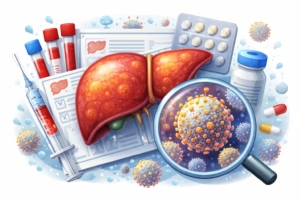
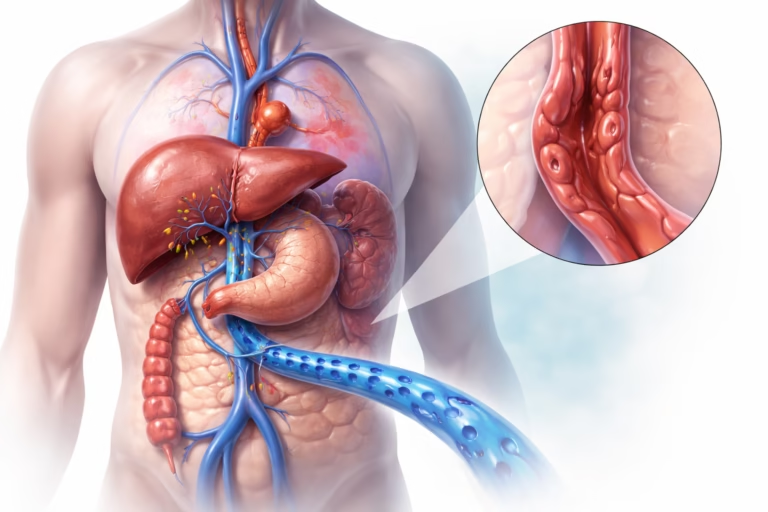
Hepatitis is a medical condition that affects millions of people worldwide, yet many individuals are unaware of what it truly involves. At its core, hepatitis refers to inflammation of the liver, a vital organ responsible for filtering toxins, aiding digestion, storing nutrients, and supporting immune function. When the liver becomes inflamed, its ability to perform these critical functions can be compromised.
Hepatitis can range from a mild, short-term illness to a serious, long-term disease that may lead to liver damage, cirrhosis, or even liver cancer. Understanding its causes, symptoms, and prevention strategies is essential for protecting liver health.
Overview / Definition
Hepatitis simply means inflammation of the liver. While most commonly caused by viral infections, it can also result from alcohol use, certain medications, toxins, and autoimmune disorders.
There are five primary types of viral hepatitis:
- Hepatitis A (HAV) – Usually acute and transmitted through contaminated food or water. Prevented using vaccines and treatment is supportive.
- Hepatitis B (HBV) – Spread through blood and bodily fluids; can become chronic leading to cirrhosis and hepatocellular carcinoma. Vaccines are made available but no cure and can be controlled using antivirals e.g tenofovir, entecavir etc.
- Hepatitis C (HCV) – Primarily transmitted via blood; often becomes chronic. No vaccines but highly curable
- Hepatitis D (HDV) – Occurs only in people infected with hepatitis B. No vaccines and no cure but prevented indirectly by HBV vaccines.
- Hepatitis E (HEV) – Typically spread through contaminated water; more common in developing regions. No vaccines and cure but it is self limiting. Very severe in pregnancy.
Some forms are short-term (acute), while others can persist for years (chronic), potentially leading to significant liver damage.
Causes and Risk Factors
Hepatitis develops from various infectious and non-infectious causes.
1. Viral Infections
The most common cause globally. Transmission depends on the specific virus:
- Contaminated food or water (Hepatitis A and E)
- Blood-to-blood contact (Hepatitis B, C, D)
- Unprotected sexual contact (Hepatitis B)
- Sharing needles or injection equipment
- Mother-to-child transmission during childbirth (Hepatitis B)
2. Alcohol Use
Excessive alcohol consumption can cause alcoholic hepatitis, which may progress to cirrhosis if untreated.
3. Medications and Toxins
Certain drugs and chemicals can damage liver cells, leading to drug-induced hepatitis. Examples include high doses of acetaminophen and some prescription medications.
4. Autoimmune Disorders
In autoimmune hepatitis, the immune system mistakenly attacks liver cells.
Risk Factors Include:
- International travel to areas with poor sanitation
- Intravenous drug use
- Receiving blood transfusions before widespread screening (pre-1992 for HCV in many countries)
- Chronic alcohol use
- Having multiple sexual partners without protection
- Living with someone infected with hepatitis B
Symptoms or Clinical Presentation
Symptoms can vary depending on the type and severity of hepatitis. Some individuals, particularly those with chronic hepatitis B or C, may have no symptoms for years.
Common Symptoms:
- Fatigue
- Fever
- Loss of appetite
- Nausea and vomiting
- Abdominal pain (especially in the upper right side)
- Dark urine
- Pale or clay-colored stools
- Joint pain
- Jaundice (yellowing of the skin and eyes)
In chronic hepatitis, symptoms may not appear until significant liver damage has occurred.
Diagnosis and Screening
Hepatitis is diagnosed using a combination of clinical evaluation and laboratory testing.
Diagnostic Methods:
- Blood tests
- Liver function tests (ALT, AST)
- Viral hepatitis panels
- Antibody and antigen testing
- Imaging studies
- Ultrasound
- CT or MRI scans
- Liver biopsy
- In certain cases to assess liver damage
Screening Recommendations
Routine screening is recommended for:
- Pregnant individuals (for Hepatitis B)
- Adults aged 18 and older at least once for Hepatitis C (in many countries)
- People with known risk factors (e.g., injection drug use, HIV infection)
Early detection is critical, especially for hepatitis B and C, as treatment can prevent progression to cirrhosis or liver cancer.
Treatment and Management Options
Treatment depends on the type and severity of hepatitis.
Hepatitis A and E
- Usually self-limiting.
- Supportive care: rest, hydration, adequate nutrition.
- Most individuals recover fully without long-term damage.
Hepatitis B
- Acute infection may only require monitoring.
- Chronic infection may be treated with:
- Antiviral medications (e.g., tenofovir, entecavir)
- Regular liver monitoring is essential.
Hepatitis C
- Treated with direct-acting antiviral (DAA) medications
- Cure rates exceed 95% in many cases
- Typically requires 8–12 weeks of oral therapy
Alcoholic Hepatitis
- Complete cessation of alcohol
- Nutritional support
- In severe cases, corticosteroids or hospitalization
Autoimmune Hepatitis
- Immunosuppressive medications such as corticosteroids
- Long-term disease monitoring
In advanced cases, such as liver failure, liver transplantation may be necessary.
Prevention and Lifestyle Considerations
Prevention strategies depend on the hepatitis type but often include vaccination, hygiene, and risk reduction.
Vaccination
- Highly effective vaccines are available for Hepatitis A and B
- No vaccine currently exists for Hepatitis C
Hygiene and Food Safety
- Wash hands thoroughly
- Drink clean, safe water
- Avoid raw or undercooked shellfish in high-risk regions
Safe Practices
- Avoid sharing needles
- Use barrier protection during sexual activity
- Ensure proper sterilization of tattoo or piercing equipment
Liver-Healthy Lifestyle
- Limit or avoid alcohol
- Maintain a healthy weight
- Use medications only as directed
- Undergo recommended health screenings
Conclusion
Hepatitis is a potentially serious condition characterized by inflammation of the liver. While viral infections remain the most common cause, alcohol use, medications, and autoimmune disorders can also contribute. Symptoms may range from mild to severe, and in some cases, the disease progresses silently for years.
The good news is that many forms of hepatitis are preventable through vaccination and safe practices—and highly effective treatments exist, particularly for hepatitis C. Early detection through screening and proper medical management can significantly reduce complications.
Disclaimer:
This article is intended for educational purposes only and does not constitute medical advice. If you have concerns about hepatitis or your liver health, consult a qualified healthcare professional for appropriate evaluation and guidance.