Hemorrhoids: Causes, Symptoms, Treatment, and Prevention
Hemorrhoids are a common medical condition that affect millions of people worldwide. Despite being widespread, they are often misunderstood—and sometimes embarrassing to talk about. In reality, hemorrhoids are a very manageable condition, especially when recognized early and treated appropriately.
This article provides a clear, medically accurate overview of hemorrhoids, including their causes, symptoms, diagnosis, treatment options, and prevention strategies.
Overview / Definition
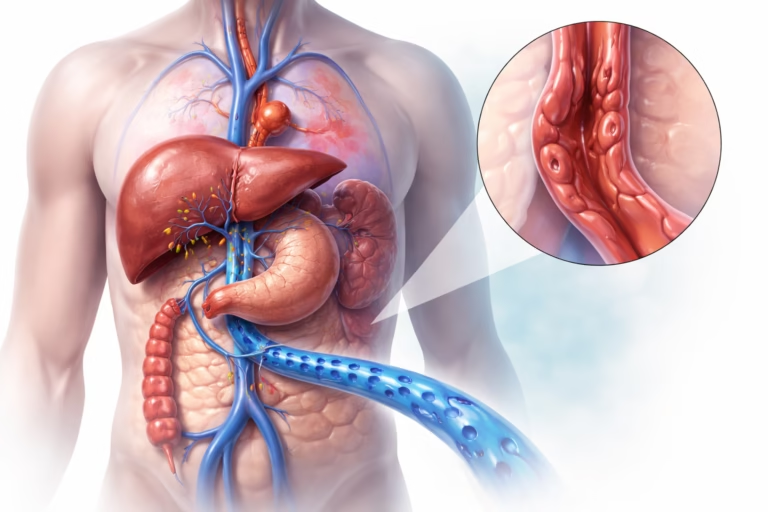
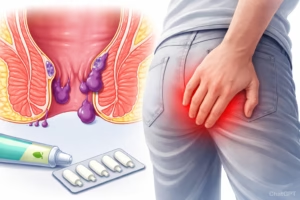
Hemorrhoids (also called piles) are swollen and enlarged veins located in the lower rectum and anus. They develop when the veins in this area become stretched or engorged due to increased pressure.
Hemorrhoids are classified into two main types:
- Internal hemorrhoids
- Located inside the rectum
- Usually not visible
- Typically painless but may cause bleeding
- External hemorrhoids
- Located under the skin around the anus
- May cause pain, itching, and swelling
A third category, known as thrombosed hemorrhoids, occurs when a blood clot forms inside a hemorrhoid, causing severe pain and swelling.
Importantly, hemorrhoids are a normal anatomical structure—we all have hemorrhoidal tissue. Problems arise when these veins become swollen or inflamed.
Causes and Risk Factors
Hemorrhoids develop due to increased pressure in the lower rectum. Several factors can contribute to this increased pressure.
Common Causes
- Chronic constipation
- Straining during bowel movements
- Sitting for prolonged periods, especially on the toilet
- Chronic diarrhea
- Heavy lifting
- Pregnancy (due to increased abdominal pressure and hormonal changes)
Additional Risk Factors
- Low-fiber diet
- Obesity
- Aging (as supporting tissues weaken)
- Family history of hemorrhoids
Pregnancy-related hemorrhoids are particularly common and often improve after childbirth.
Symptoms and Clinical Presentation
Symptoms depend on whether hemorrhoids are internal or external.
Internal Hemorrhoids
- Painless rectal bleeding (bright red blood on toilet paper or in the bowl)
- A feeling of incomplete bowel evacuation
- Prolapse (a hemorrhoid that protrudes outside the anus)
External Hemorrhoids
- Anal pain or discomfort
- Swelling around the anus
- Itching or irritation
- Tender lump near the anus
Thrombosed Hemorrhoids
- Sudden, severe pain
- Hard, bluish lump near the anus
- Significant swelling and inflammation
While bleeding from hemorrhoids is typically bright red, rectal bleeding should always be evaluated by a healthcare professional to rule out more serious conditions such as colorectal cancer or inflammatory bowel disease.
Diagnosis and Evaluation
Hemorrhoids are usually diagnosed through:
- Medical History – Discussion of symptoms and bowel habits.
- Physical Examination – Visual inspection for external hemorrhoids.
- Digital Rectal Examination (DRE) – A gloved, lubricated finger is inserted into the rectum to feel abnormalities.
- Anoscopy – A small, lighted tube is used to examine the anal canal.
In some cases, especially if bleeding is present or the patient is over age 45–50, additional tests such as a colonoscopy may be recommended to exclude other causes of bleeding.
Treatment and Management Options
Treatment depends on the severity of symptoms. Most mild cases improve with conservative (non-surgical) management.
1. Conservative (First-Line) Treatments
These focus on relieving symptoms and reducing strain:
- Increasing dietary fiber (25–35 grams per day)
- Drinking adequate fluids
- Using stool softeners if needed
- Taking warm sitz baths (10–15 minutes several times daily)
- Applying over-the-counter creams or suppositories
- Using topical anesthetics or hydrocortisone (short-term use)
These measures are effective for many individuals.
2. Minimally Invasive Procedures
For persistent or moderate symptoms:
- Rubber band ligation – A band is placed around the hemorrhoid to cut off its blood supply.
- Sclerotherapy – A chemical solution shrinks the hemorrhoid.
- Infrared coagulation – Heat is used to scar and shrink hemorrhoidal tissue.
These procedures are typically done in an outpatient setting.
3. Surgical Treatment
For severe, recurrent, or thrombosed hemorrhoids:
- Hemorrhoidectomy – Surgical removal of hemorrhoids (most effective for severe cases).
- Stapled hemorrhoidopexy – A procedure that repositions and reduces blood flow to hemorrhoidal tissue.
Surgery is usually reserved for cases that do not respond to other treatments.
Prevention and Lifestyle Considerations
Preventing hemorrhoids largely centers on minimizing strain during bowel movements and maintaining healthy bowel habits.
Key Preventive Strategies
- Eat a high-fiber diet:
- Whole grains
- Fruits
- Vegetables
- Legumes
- Stay well hydrated
- Exercise regularly
- Avoid prolonged sitting on the toilet
- Respond promptly to the urge to have a bowel movement
- Maintain a healthy body weight
Small daily habits can significantly reduce the risk of recurrence.
When to Seek Medical Attention
Consult a healthcare professional if you experience:
- Persistent or heavy rectal bleeding
- Severe anal pain
- Symptoms lasting more than a week
- Changes in bowel habits
- Unexplained weight loss
These may indicate conditions other than hemorrhoids and require proper evaluation.
Conclusion
Hemorrhoids are a common and often manageable condition caused by increased pressure in the veins of the lower rectum and anus. They may lead to symptoms such as rectal bleeding, itching, discomfort, or pain. While most cases respond well to lifestyle modifications and conservative treatment, more advanced options are available for persistent symptoms.
Early recognition, healthy bowel habits, and proper medical evaluation when necessary can help prevent complications and improve quality of life.
Disclaimer:
This article is intended for educational purposes only and does not constitute medical advice. If you are experiencing symptoms or have concerns about hemorrhoids or rectal bleeding, please consult a qualified healthcare professional for appropriate evaluation and care.