Heart Health: Understanding, Protecting, and Strengthening Your Most Vital Organ

Your heart beats approximately 100,000 times each day, pumping blood, oxygen, and nutrients throughout your body. Despite its remarkable endurance, heart disease remains one of the leading causes of illness and death worldwide. The good news? Many heart conditions are preventable—or manageable—with informed choices and early medical care.
This article provides a medically accurate, easy-to-understand overview of heart health, including risk factors, symptoms, diagnosis, treatment options, and practical prevention strategies.
Overview: What Is Heart Health?
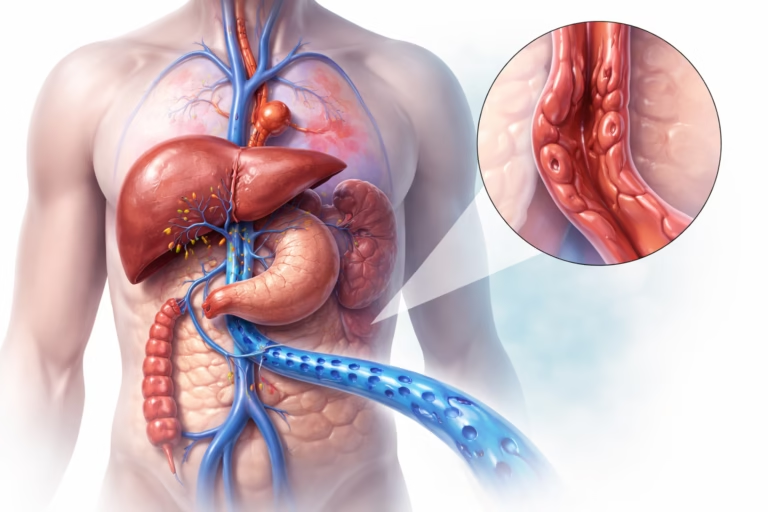
Heart health refers to the proper functioning of the heart and blood vessels (the cardiovascular system). A healthy heart efficiently pumps blood to supply oxygen and nutrients to organs and tissues while removing waste products.
When heart health declines, it can lead to various cardiovascular diseases, including:
- Coronary artery disease (CAD) – Blockage or narrowing of the heart’s arteries
- Heart attack (myocardial infarction) – Sudden blockage of blood flow to heart muscle
- Heart failure – The heart cannot pump blood effectively
- Arrhythmias – Irregular heart rhythms
- Stroke – Interruption of blood flow to the brain
Cardiovascular diseases develop gradually, often silently, making awareness and prevention essential.
Causes and Risk Factors
Heart disease typically does not have a single cause. Instead, multiple risk factors accumulate over time.
Non-Modifiable Risk Factors
These cannot be changed:
- Age (risk increases with age)
- Family history of heart disease
- Male sex (though risk rises significantly in women after menopause)
- Genetics
Modifiable Risk Factors
These can be influenced by lifestyle or medical care:
- High blood pressure (hypertension)
- High cholesterol
- Smoking
- Diabetes
- Obesity
- Physical inactivity
- Unhealthy diet (high in salt, sugar, saturated and trans fats)
- Excessive alcohol use
- Chronic stress
Many people have multiple risk factors, which can interact and significantly increase overall cardiovascular risk.
Symptoms and Clinical Presentation
Symptoms vary depending on the type of heart condition. Some people have subtle warning signs, while others experience sudden emergencies.
Common Warning Signs of Heart Disease
- Chest pain or discomfort (angina)
- Shortness of breath
- Fatigue
- Palpitations (feeling like your heart is racing or skipping beats)
- Dizziness or fainting
- Swelling in the legs, ankles, or feet
Signs of a Heart Attack
Seek immediate medical attention if you experience:
- Pressure, tightness, or pain in the chest (often radiating to arm, jaw, neck, or back)
- Shortness of breath
- Nausea or vomiting
- Cold sweats
- Lightheadedness
Note: Symptoms in women may be less typical, including fatigue, nausea, and back or jaw pain.
Diagnosis and Screening
Early detection of heart disease improves outcomes significantly. Healthcare professionals use several tools to assess cardiovascular risk and diagnose conditions.
Routine Screening Tests
- Blood pressure measurement
- Cholesterol panel (lipid profile)
- Blood glucose testing
- Body mass index (BMI) and waist circumference
Diagnostic Tests
Depending on symptoms and risk factors, additional testing may include:
- Electrocardiogram (ECG/EKG) – Measures electrical activity of the heart
- Echocardiogram – Uses ultrasound to visualize heart structure and function
- Stress test – Assesses heart performance during physical exertion
- Coronary angiography – Imaging to detect arterial blockages
- CT or MRI scans – Advanced heart imaging
Regular screening is particularly important for individuals with risk factors such as high blood pressure or diabetes.
Treatment and Management Options
Treatment varies depending on the specific heart condition and severity. Management usually combines lifestyle modification, medication, and sometimes procedures or surgery.
1. Lifestyle Modifications
First-line management often includes:
- Heart-healthy diet
- Regular physical activity
- Smoking cessation
- Weight management
- Stress reduction
2. Medications
Common categories include:
- Antihypertensives (to control blood pressure)
- Statins (to lower cholesterol)
- Antiplatelet agents (e.g., aspirin, when indicated)
- Beta-blockers (to reduce heart workload)
- Diuretics (to reduce fluid buildup in heart failure)
Medication regimens should always be supervised by a healthcare professional.
3. Medical Procedures
In more advanced cases, treatment may involve:
- Angioplasty and stent placement
- Coronary artery bypass grafting (CABG)
- Pacemaker or defibrillator implantation
- Valve repair or replacement surgery
Early intervention often reduces the need for invasive procedures.
Prevention and Lifestyle Considerations
Prevention is the cornerstone of heart health. Small, consistent habits can significantly reduce cardiovascular risk.
Heart-Healthy Habits
Eat a balanced diet:
- Emphasize vegetables, fruits, whole grains, lean proteins
- Choose healthy fats (olive oil, nuts, fatty fish)
- Limit salt, processed foods, and added sugar
Stay physically active:
- Aim for at least 150 minutes of moderate-intensity aerobic activity per week
- Include strength training exercises twice weekly
Maintain a healthy weight
Avoid tobacco in all forms
Limit alcohol consumption
Manage stress effectively through:
- Meditation
- Deep breathing exercises
- Regular sleep (7–9 hours per night)
Monitor your numbers:
- Blood pressure
- Cholesterol
- Blood sugar
Prevention efforts are most effective when started early and maintained consistently.
Conclusion: Protecting Your Heart for the Long Term
Heart health is not determined by a single factor but by a combination of genetics, lifestyle choices, and medical care. Fortunately, many cardiovascular conditions are preventable—or manageable—through early screening, healthy habits, and appropriate treatment.
Key takeaways:
- Know your risk factors.
- Recognize warning signs.
- Get regular screenings.
- Adopt heart-healthy lifestyle habits.
- Seek medical guidance when needed.
Your heart works continuously for you—taking proactive steps today can help ensure it continues to do so for years to come.
Disclaimer:
This article is intended for educational purposes only and does not replace professional medical advice. If you have symptoms, concerns, or risk factors related to heart health, please consult a qualified healthcare professional for personalized evaluation and care.