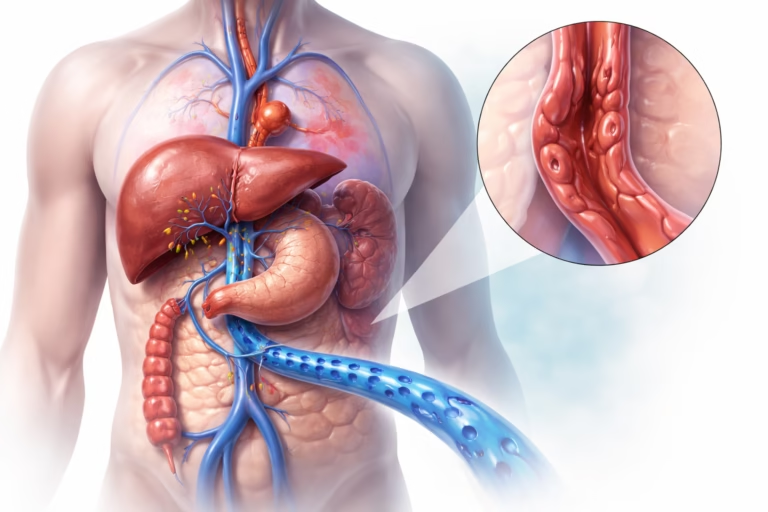
Health Care: Understanding Its Importance, Components, and Impact on Well-Being

Health care is a cornerstone of modern society. It encompasses the prevention, diagnosis, treatment, and management of illness, as well as the promotion of overall physical and mental well-being. Access to effective health care services not only improves individual quality of life but also strengthens communities and economies.
In this article, we explore what health care entails, key risk factors influencing health, how conditions are identified and treated, and the essential role of prevention and healthy lifestyle practices.
Overview / Definition
Health care refers to the organized provision of medical services aimed at maintaining and improving health. It is delivered by trained professionals such as physicians, nurses, pharmacists, therapists, and public health experts.
Health care includes several interconnected components:
- Primary care: First point of contact (family doctors, general practitioners)
- Secondary care: Specialized care typically provided by specialists (e.g., cardiologists, dermatologists)
- Tertiary care: Advanced, highly specialized care (e.g., complex surgeries, cancer treatment)
- Preventive care: Vaccinations, screenings, and counseling
- Mental health services: Psychological support, psychiatric care
- Public health initiatives: Community-wide disease prevention and health promotion programs
The ultimate goal of health care is not only to treat illness but also to enhance longevity and quality of life.
Causes or Risk Factors Affecting Health
Health outcomes are influenced by a combination of biological, environmental, and lifestyle factors. Common contributors to disease and poor health include:
1. Lifestyle-Related Risk Factors
- Tobacco use
- Excessive alcohol consumption
- Poor diet (high in processed foods, sugar, and salt)
- Physical inactivity
- Chronic stress
- Inadequate sleep
2. Biological Factors
- Genetic predisposition
- Age
- Sex
- Pre-existing medical conditions
3. Environmental and Social Determinants
- Air and water quality
- Occupational hazards
- Access to nutritious food
- Socioeconomic status
- Access to healthcare services
Understanding these risk factors allows for better prevention and targeted interventions.
Symptoms or Clinical Presentation
Symptoms vary widely depending on the condition. However, there are general signs that may indicate the need for medical evaluation:
- Persistent fever
- Unexplained weight loss
- Chronic fatigue
- Chest pain
- Shortness of breath
- Changes in bowel or bladder habits
- Severe or worsening pain
- Mood changes or prolonged sadness
Early recognition of symptoms can significantly improve treatment outcomes.
Diagnosis or Screening
Diagnosis involves identifying the cause of symptoms or detecting disease before symptoms appear.
Common Diagnostic Approaches:
- Medical history: Detailed discussion of symptoms, family history, and lifestyle
- Physical examination: Assessment of vital signs and body systems
- Laboratory tests: Blood tests, urine tests, genetic testing
- Imaging studies: X-rays, CT scans, MRI, ultrasound
- Specialized testing: Biopsy, endoscopy, cardiac stress tests
Preventive Screening Examples:
- Blood pressure measurement
- Cholesterol testing
- Cancer screenings (e.g., mammograms, colonoscopy)
- Diabetes screening
- Mental health assessments
Early screening can detect conditions such as cancer, heart disease, and diabetes before complications arise.
Treatment or Management Options
Treatment depends on the specific condition, severity, and individual health status. Management strategies may include:
1. Medications
- Antibiotics for infections
- Antihypertensives for high blood pressure
- Insulin for diabetes
- Antidepressants for mood disorders
2. Surgical Interventions
- Removal of tumors
- Joint replacements
- Heart bypass surgery
3. Therapies and Rehabilitation
- Physical therapy
- Occupational therapy
- Psychological counseling
- Speech therapy
4. Chronic Disease Management
- Lifestyle modifications
- Long-term medication use
- Regular monitoring (e.g., blood glucose checks)
Successful treatment often involves a combination of medical intervention and patient participation.
Prevention or Lifestyle Considerations
Preventive care is one of the most powerful aspects of health care. Many chronic conditions are preventable through healthy daily habits.
Key Preventive Strategies:
- Balanced diet: Emphasizing fruits, vegetables, whole grains, lean protein
- Regular physical activity: At least 150 minutes of moderate exercise per week
- Vaccinations: Protect against infectious diseases
- Avoiding tobacco and limiting alcohol
- Routine health screenings
- Stress management techniques: Mindfulness, meditation, social support
- Adequate sleep: 7–9 hours per night for most adults
Healthcare systems increasingly prioritize prevention because it reduces long-term complications and healthcare costs.
The Broader Impact of Health Care
Accessible and high-quality health care leads to:
- Reduced mortality rates
- Improved maternal and child health
- Better management of chronic diseases
- Increased life expectancy
- Enhanced productivity and economic stability
On a societal level, strong health care systems improve resilience during public health emergencies, such as infectious disease outbreaks.
Conclusion
Health care is more than treating illness—it is a comprehensive system designed to maintain, protect, and promote well-being. By addressing risk factors, recognizing symptoms early, utilizing effective diagnostic tools, and implementing appropriate treatments, health care plays a central role in improving quality of life.
Equally important are prevention and healthy lifestyle choices, which empower individuals to actively maintain their health. Access to timely, evidence-based medical care remains one of the most influential determinants of long-term health outcomes.
Disclaimer: This article is intended for educational purposes only and does not constitute medical advice. For personalized guidance, diagnosis, or treatment, please consult a qualified healthcare professional.