Gout: Understanding This Painful Form of Arthritis
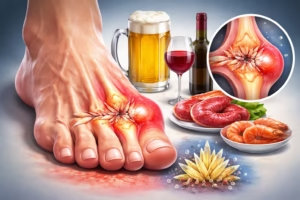
Gout is a common and often misunderstood form of inflammatory arthritis that can cause sudden, intense pain—most often in the big toe. Though the attacks can be alarming, gout is a well-studied and highly treatable condition. With proper diagnosis, management, and lifestyle adjustments, most people can effectively control their symptoms and prevent long-term complications.
In this article, we’ll explore what gout is, what causes it, how it’s diagnosed and treated, and how you can reduce your risk.
Overview: What Is Gout?
Gout is a type of inflammatory arthritis caused by a buildup of uric acid in the blood (a condition known as hyperuricemia). When uric acid levels become too high, sharp needle-like crystals of monosodium urate can form in joints and surrounding tissues. These crystals trigger intense inflammation, leading to sudden episodes of pain and swelling known as gout attacks or flares.
While gout can affect various joints, it most commonly affects:
- The big toe (a condition called podagra)
- Ankles
- Knees
- Wrists
- Elbows
- Fingers
Gout affects millions of people worldwide and is more common in men than in women, though risk increases for women after menopause.
Causes and Risk Factors
What Is Uric Acid?
Uric acid is a natural waste product formed when the body breaks down purines, substances found in certain foods and also produced naturally by the body. Normally, uric acid dissolves in the bloodstream and passes through the kidneys into urine. However, problems occur when:
- The body produces too much uric acid, or
- The kidneys do not eliminate enough of it
This leads to elevated uric acid levels and crystal formation.
Common Risk Factors
Several factors increase the risk of developing gout:
1. Diet
Foods and beverages high in purines can raise uric acid levels:
- Red meat (especially organ meats like liver)
- Shellfish
- Alcohol (especially beer and spirits)
- Sugary beverages containing high-fructose corn syrup
2. Medical Conditions
- Chronic kidney disease
- Obesity
- Hypertension (high blood pressure)
- Type 2 diabetes
- Metabolic syndrome
3. Medications
Certain medications can raise uric acid levels, including:
- Diuretics (“water pills”)
- Low-dose aspirin
- Some immunosuppressive drugs
4. Genetics and Demographics
- Family history of gout
- Male sex
- Postmenopausal women
- Increasing age
Symptoms and Clinical Presentation
Gout is known for its sudden and severe attacks. Symptoms typically develop rapidly, often at night.
Common Symptoms Include:
- Intense joint pain (often peaking within 12–24 hours)
- Swelling and warmth in the affected joint
- Redness or discoloration
- Tenderness—sometimes even light touch is unbearable
- Reduced joint mobility
A classic gout flare in the big toe can be so painful that walking or wearing shoes becomes difficult.
Stages of Gout
Gout often progresses through stages:
- Asymptomatic hyperuricemia – Elevated uric acid without symptoms
- Acute gout flare – Sudden inflammatory attack
- Intercritical gout – Period between attacks
- Chronic tophaceous gout – Long-term buildup of urate crystals forming visible lumps (tophi) under the skin, potentially causing joint damage
Without treatment, attacks may become more frequent and severe over time.
Diagnosis and Screening
Prompt diagnosis is essential for effective treatment.
How Is Gout Diagnosed?
Healthcare providers may use:
- Medical history and physical examination
- Joint fluid analysis (gold standard)
- A needle is used to draw fluid from the affected joint
- The presence of urate crystals under a microscope confirms gout
- Blood tests
- Measure uric acid levels (though levels can be normal during a flare)
- Imaging
- Ultrasound or dual-energy CT scans can detect crystal deposits
- X-rays may show joint damage in chronic cases
Because other conditions—such as infections or other types of arthritis—can mimic gout, an accurate diagnosis is important.
Treatment and Management Options
Treatment focuses on two main goals:
- Relieving acute symptoms
- Preventing future flares and complications
1. Treating Acute Gout Attacks
Medications commonly used include:
- Nonsteroidal anti-inflammatory drugs (NSAIDs)
- Colchicine
- Corticosteroids (oral or injected)
These medications reduce inflammation and pain. Early treatment helps shorten the duration of an attack.
2. Long-Term Urate-Lowering Therapy
For people with recurrent gout, tophi, or kidney complications, long-term medication may be recommended to reduce uric acid levels.
Common options include:
- Allopurinol
- Febuxostat
- Probenecid (in certain cases)
The goal is typically to maintain blood uric acid levels below a target threshold (often less than 6 mg/dL, depending on clinical guidance).
Important: Starting urate-lowering therapy may initially trigger flares, so preventive medication is sometimes given during this period.
Prevention and Lifestyle Considerations
Lifestyle changes play a crucial role in managing and preventing gout flares.
Dietary Modifications
Consider:
- Limiting red meat and organ meats
- Reducing shellfish intake
- Avoiding or limiting alcohol (especially beer)
- Avoiding sugary drinks
- Increasing intake of:
- Low-fat dairy products
- Vegetables
- Whole grains
- Water for proper hydration
Weight Management
Gradual, sustained weight loss (if overweight) can significantly lower uric acid levels and reduce flare frequency.
Hydration
Staying well-hydrated helps the kidneys excrete uric acid more efficiently.
Medication Adherence
Taking prescribed medications consistently—even when feeling well—is critical for preventing recurrence and joint damage.
Potential Complications
If untreated or poorly managed, gout can lead to:
- Chronic joint damage
- Formation of tophi
- Kidney stones
- Reduced quality of life due to frequent pain
With modern therapies, these complications are largely preventable.
Conclusion
Gout is a painful but highly manageable form of inflammatory arthritis caused by uric acid crystal buildup in the joints. It often presents with sudden, severe joint pain—most commonly affecting the big toe. Risk factors include diet, genetics, kidney function, medical conditions, and certain medications.
Effective management includes:
- Prompt treatment of acute flares
- Long-term urate-lowering therapy when appropriate
- Healthy lifestyle and dietary changes
Early diagnosis and consistent treatment can prevent long-term joint damage and significantly improve quality of life.
Disclaimer: This article is for educational purposes only and is not a substitute for professional medical advice. If you are experiencing joint pain or symptoms suggestive of gout, please consult a qualified healthcare professional for evaluation and appropriate treatment.