Gastric Cancer: Understanding a Complex and Serious Disease
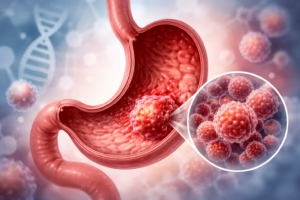
Gastric cancer—commonly known as stomach cancer—is a significant global health concern. Although its incidence has declined in many parts of the world, it remains one of the leading causes of cancer-related deaths worldwide. Early detection can be challenging because symptoms often appear late, making awareness and understanding especially important.
This article provides a clear, medically accurate overview of gastric cancer, including its causes, symptoms, diagnosis, treatment options, and preventive considerations, using language accessible to the general reader.
Overview: What Is Gastric Cancer?
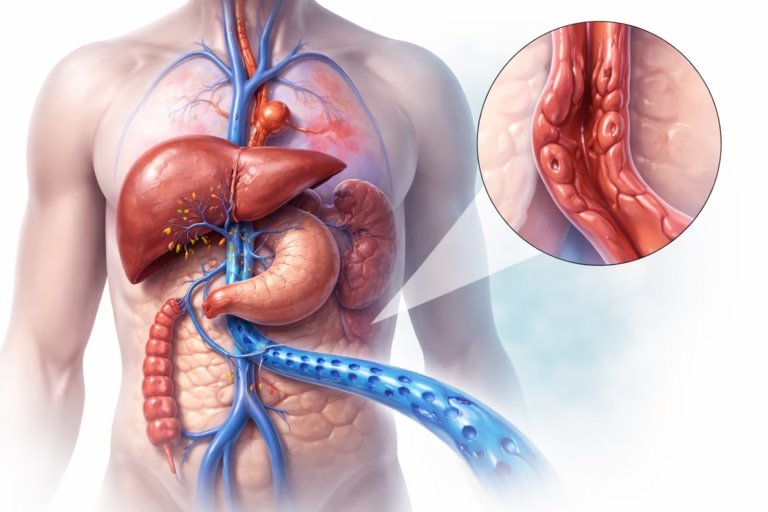
Gastric cancer is a malignancy that develops in the lining of the stomach. The most common type is adenocarcinoma, which arises from the glandular cells of the stomach lining. Less common types include lymphomas, gastrointestinal stromal tumors (GISTs), and neuroendocrine tumors.
Gastric cancer can develop anywhere in the stomach and often progresses slowly over years. Because early stages may cause few or nonspecific symptoms, many cases are diagnosed at an advanced stage.
Causes and Risk Factors
While no single cause explains all cases of gastric cancer, several well-established risk factors increase the likelihood of developing the disease:
Common Risk Factors
- Helicobacter pylori (H. pylori) infection – a major risk factor that can cause chronic inflammation of the stomach lining
- Age – risk increases significantly after age 50
- Gender – more common in men than women
- Family history of gastric cancer
- Smoking and heavy alcohol use
- Dietary factors, including:
- High intake of salted, smoked, or preserved foods
- Low intake of fruits and vegetables
Other Contributing Factors
- Chronic gastritis
- Pernicious anemia
- Previous stomach surgery
- Certain genetic syndromes (e.g., hereditary diffuse gastric cancer)
Symptoms and Clinical Presentation
Early gastric cancer often produces mild or vague symptoms, which can delay diagnosis. As the disease progresses, symptoms may become more noticeable.
Possible Symptoms Include:
- Persistent indigestion or heartburn
- Abdominal discomfort or pain
- Feeling full after eating small amounts
- Nausea or vomiting
- Unexplained weight loss
- Loss of appetite
- Fatigue or weakness
- Difficulty swallowing (if cancer is near the upper stomach)
- Black or bloody stools (in advanced cases)
Because these symptoms can resemble benign gastrointestinal conditions, medical evaluation is essential if they persist.
Diagnosis and Screening
Diagnostic Tools
When gastric cancer is suspected, healthcare providers may use:
- Upper endoscopy – the primary diagnostic test, allowing direct visualization and biopsy of stomach tissue
- Biopsy – confirms the presence and type of cancer
- Imaging studies such as CT scans or PET scans to assess spread (staging)
- Endoscopic ultrasound to evaluate tumor depth and nearby lymph nodes
Screening Considerations
Routine population screening is not common in many countries, but it is used in regions with high incidence rates. Individuals at high risk may undergo targeted screening based on medical guidance.
Treatment and Management Options
Treatment depends on the stage of the cancer, tumor location, and the patient’s overall health. Management often involves a multidisciplinary medical team.
Common Treatment Modalities
- Surgery
- Partial or total gastrectomy (removal of part or all of the stomach)
- Often combined with lymph node removal
- Chemotherapy
- Used before surgery (neoadjuvant) or after surgery (adjuvant)
- Radiation therapy
- Sometimes combined with chemotherapy
- Targeted therapy and immunotherapy
- Used in selected cases based on tumor characteristics
Supportive care to manage nutrition, symptoms, and quality of life is also a key component of treatment.
Prevention and Lifestyle Considerations
Although gastric cancer cannot always be prevented, certain measures may reduce risk:
- Treating H. pylori infection when diagnosed
- Maintaining a balanced diet rich in fruits, vegetables, and whole grains
- Limiting smoked, salted, and processed foods
- Avoiding tobacco use
- Moderating alcohol consumption
- Managing chronic gastrointestinal conditions under medical supervision
Early evaluation of persistent digestive symptoms can also lead to earlier detection.
Conclusion: Key Takeaways
Gastric cancer is a serious but complex disease influenced by infection, lifestyle, genetics, and environmental factors. Because early symptoms are often subtle, awareness of risk factors and warning signs is crucial. Advances in diagnostic techniques and treatment options continue to improve outcomes, particularly when the disease is detected early. Education, prevention strategies, and timely medical evaluation remain central to reducing the impact of gastric cancer.
Medical Disclaimer
This article is intended for educational purposes only and does not substitute for professional medical advice, diagnosis, or treatment. Readers are encouraged to consult qualified healthcare professionals for concerns related to symptoms, diagnosis, or treatment of gastric cancer.