Gallbladder Disease: A Clear Guide to Causes, Symptoms, and Care

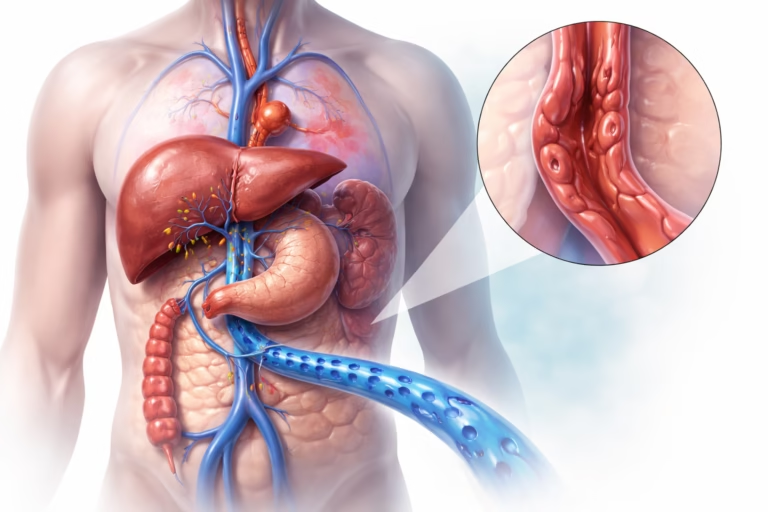
Gallbladder disease is a common health issue that affects millions of people worldwide, yet it’s often misunderstood. The gallbladder is a small, pear-shaped organ located beneath the liver that stores bile—a digestive fluid that helps break down fats. When the gallbladder doesn’t function properly or becomes blocked, a range of conditions can develop, collectively referred to as gallbladder disease. This article provides an evidence-based, easy-to-understand overview of gallbladder disease, including its causes, symptoms, diagnosis, and treatment options.
Overview / Definition
Gallbladder disease is an umbrella term for several conditions that affect the gallbladder and bile ducts. The most common form involves gallstones (cholelithiasis), which are hardened deposits of bile components such as cholesterol or bilirubin. These stones can interfere with normal bile flow and lead to inflammation or infection.
Common gallbladder-related conditions include:
- Gallstones (Cholelithiasis)
- Biliary colic (pain from temporary blockage)
- Cholecystitis (inflammation of the gallbladder)
- Choledocholithiasis (gallstones in the bile ducts)
- Cholangitis (infection of the bile ducts)
- Biliary dyskinesia (impaired gallbladder function)
- Gallbladder cancer (rare but serious)
Causes and Risk Factors
Gallbladder disease often develops when bile components become imbalanced or bile flow is impaired. Several factors are known to increase risk:
Biological and medical factors
- Excess cholesterol or bilirubin in bile
- Incomplete emptying of the gallbladder
- Increasing age
- Female sex (especially during reproductive years)
- Pregnancy or hormonal therapy
- Certain medical conditions (e.g., hemolytic anemia, liver disease)
Lifestyle and metabolic factors
- Overweight or obesity
- Rapid weight loss or prolonged fasting
- Sedentary lifestyle
- Diets very high in calories or refined carbohydrates
Genetics also play a role, as gallbladder disease tends to run in families.
Symptoms or Clinical Presentation
Many people with gallstones have no symptoms. When symptoms do occur, they may range from mild discomfort to medical emergencies.
Common symptoms include:
- Pain in the upper right or upper middle abdomen, often after meals
- Pain that may radiate to the back or right shoulder
- Nausea or vomiting
- Bloating or indigestion
Symptoms suggesting complications may include:
- Fever or chills
- Yellowing of the skin or eyes (jaundice)
- Dark urine or pale stools
These symptoms warrant prompt medical evaluation.
Diagnosis or Screening
Gallbladder disease is typically diagnosed through a combination of clinical evaluation and imaging studies.
Common diagnostic tools include:
- Ultrasound – the first-line and most widely used test
- Blood tests – to assess liver function and signs of infection or inflammation
- HIDA scan – evaluates gallbladder function and bile flow
- MRCP (Magnetic Resonance Cholangiopancreatography) – detailed imaging of bile ducts
- ERCP (Endoscopic Retrograde Cholangiopancreatography) – used in select cases for both diagnosis and treatment
Screening is not routinely recommended for asymptomatic individuals.
Treatment or Management Options
Treatment depends on the type of gallbladder disease, severity of symptoms, and presence of complications.
Common management strategies include:
- Observation (watchful waiting): For asymptomatic gallstones
- Medications: In select cases, bile acid therapy (e.g., ursodeoxycholic acid) may help dissolve certain cholesterol stones, though this approach is limited
- Cholecystectomy: Surgical removal of the gallbladder is the most definitive and commonly recommended treatment for symptomatic disease
- Usually performed laparoscopically
- Endoscopic procedures (ERCP): Used to remove stones from bile ducts or relieve obstruction
Most people can live normally without a gallbladder, as bile will still flow directly from the liver to the small intestine.
Prevention and Lifestyle Considerations
While not all cases are preventable, certain lifestyle choices may reduce risk:
- Maintaining a healthy body weight
- Avoiding rapid or extreme weight loss
- Eating a balanced diet rich in fruits, vegetables, whole grains, and healthy fats
- Staying physically active
- Managing underlying conditions such as diabetes
These steps support overall digestive and metabolic health.
Conclusion
Gallbladder disease encompasses a range of conditions, most commonly caused by gallstones. While many people remain symptom-free, others may experience significant pain or complications requiring medical treatment. Understanding the causes, recognizing symptoms early, and knowing how gallbladder disease is diagnosed and managed can empower individuals to seek timely care and make informed health decisions.
Medical Disclaimer
This article is intended for educational purposes only and does not provide personalized medical advice. If you have symptoms or concerns related to gallbladder disease, please consult a qualified healthcare professional for proper evaluation and guidance.