Fractures: Understanding Broken Bones, Their Causes, and Care
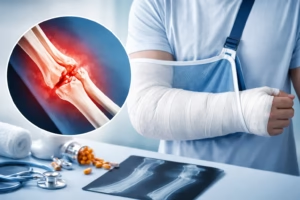
Fractures—commonly referred to as broken bones—are among the most frequent injuries encountered in medical practice. They can occur at any age, affect any bone in the body, and result from a wide range of circumstances, from minor falls to high-impact accidents. While the term “fracture” may sound alarming, modern diagnostic tools and treatment options allow most people to recover well with appropriate care.
This article provides a clear, medically accurate overview of fractures, including how they occur, how they are diagnosed and treated, and what steps may help reduce risk.
Overview: What Is a Fracture?
A fracture is a disruption in the normal continuity of a bone. This disruption can range from a small crack to a complete break into multiple pieces. Fractures are typically classified based on characteristics such as:
- Extent of the break
- Complete fracture: the bone is broken all the way through
- Incomplete fracture: the bone cracks but does not fully separate
- Skin involvement
- Closed (simple) fracture: skin remains intact
- Open (compound) fracture: bone breaks through the skin
- Pattern of the break
- Transverse, spiral, oblique, comminuted (multiple fragments), or stress fractures
Understanding the type of fracture helps guide appropriate treatment and recovery expectations.
Causes and Risk Factors
Fractures occur when a bone is subjected to more force than it can withstand. Common causes and contributing factors include:
Common Causes
- Falls, particularly in older adults and young children
- Motor vehicle accidents
- Sports and recreational injuries
- Direct blows or trauma
- Repetitive stress (leading to stress fractures)
Risk Factors
- Osteoporosis or low bone density
- Advanced age
- Poor nutrition, especially low calcium or vitamin D intake
- Certain medical conditions, such as endocrine disorders
- Medications that weaken bones (e.g., long-term corticosteroid use)
- High-impact physical activities or occupations
Symptoms and Clinical Presentation
The symptoms of a fracture can vary depending on the bone involved and the severity of the injury. Common signs and symptoms include:
- Pain that worsens with movement or pressure
- Swelling, bruising, or tenderness
- Visible deformity or abnormal alignment
- Inability to use or bear weight on the affected area
- A grinding sensation (crepitus) in some cases
- In open fractures, visible bone and bleeding
Some fractures, such as stress fractures, may cause only mild pain initially and worsen gradually over time.
Diagnosis and Screening
Healthcare professionals use a combination of clinical evaluation and imaging studies to diagnose fractures.
Diagnostic Tools
- Physical examination to assess pain, swelling, and function
- X-rays, the most common and widely used imaging method
- CT scans, useful for complex or joint-related fractures
- MRI, particularly helpful for detecting stress fractures or soft tissue injuries
- Bone scans, occasionally used when fractures are not visible on early X-rays
Accurate diagnosis is essential to ensure proper alignment and healing.
Treatment and Management Options
Treatment depends on the type, location, and severity of the fracture, as well as the patient’s overall health.
Non-Surgical Management
- Immobilization with a cast, splint, or brace
- Rest and activity modification
- Pain management, often with short-term medications
- Physical therapy, once healing permits, to restore strength and mobility
Surgical Management
Some fractures require surgical intervention, particularly if bones are displaced or unstable. Surgical options may include:
- Internal fixation with plates, screws, or rods
- External fixation devices
- Joint replacement in severe cases involving joints
Healing times vary but typically range from several weeks to a few months, depending on the bone and patient factors.
Prevention and Lifestyle Considerations
While not all fractures are preventable, certain strategies can reduce risk:
- Maintain bone health through adequate calcium and vitamin D intake
- Engage in regular weight-bearing and strength-training exercise
- Address fall risks, especially in older adults (e.g., proper footwear, home safety)
- Use protective gear during sports and high-risk activities
- Avoid smoking and excessive alcohol consumption, both of which weaken bones
Early management of bone-related conditions such as osteoporosis is particularly important in fracture prevention.
Conclusion
Fractures are common injuries that range from mild cracks to severe breaks requiring surgical care. Understanding their causes, symptoms, diagnostic methods, and treatment options can help demystify the process and highlight the importance of timely medical evaluation. With proper care and attention to bone health, most fractures heal successfully and allow individuals to return to their normal activities.
Medical Disclaimer
This article is intended for educational purposes only and does not replace professional medical advice, diagnosis, or treatment. If you suspect a fracture or have concerns about bone health, consult a qualified healthcare professional for personalized evaluation and care.