Foodborne Infections

Food is central to health and well-being, yet it can sometimes be a source of illness. Foodborne infections, often referred to as food poisoning, are common conditions that occur when harmful microorganisms contaminate the food or beverages we consume. While many cases are mild and self-limiting, others can result in serious illness, complications, or even hospitalization—particularly in vulnerable populations. Understanding how foodborne infections occur, how they present, and how they can be prevented is essential for public health and personal safety.
Overview / Definition
Foodborne infections are illnesses caused by consuming food or drinks contaminated with pathogenic microorganisms, including:
- Bacteria (e.g., Salmonella, Escherichia coli, Listeria monocytogenes)
- Viruses (e.g., norovirus, hepatitis A)
- Parasites (e.g., Giardia, Toxoplasma gondii)
Unlike foodborne intoxications (where pre-formed toxins cause illness), foodborne infections occur when live pathogens enter the body, multiply, and trigger an immune response.
Causes or Risk Factors
Foodborne infections develop through exposure to contaminated foods or improper handling practices. Common contributing factors include:
Food-Related Causes
- Undercooked or raw meats, poultry, seafood, or eggs
- Unpasteurized milk and dairy products
- Raw or improperly washed fruits and vegetables
- Ready-to-eat foods contaminated during preparation or storage
Handling and Environmental Factors
- Poor hand hygiene during food preparation
- Cross-contamination between raw and cooked foods
- Inadequate refrigeration or improper food storage temperatures
- Unsanitary food preparation environments
Higher-Risk Populations
Certain individuals are more susceptible to severe illness:
- Infants and young children
- Older adults
- Pregnant individuals
- People with weakened immune systems or chronic illnesses
Symptoms or Clinical Presentation
Symptoms vary depending on the specific organism, the amount ingested, and the individual’s immune response. They can appear within hours or days after exposure.
Common Symptoms
- Nausea and vomiting
- Diarrhea (sometimes bloody)
- Abdominal cramps or pain
- Fever and chills
- Fatigue and general weakness
Potential Complications
In some cases, foodborne infections may lead to:
- Dehydration
- Bloodstream infections (sepsis)
- Kidney complications (e.g., hemolytic uremic syndrome)
- Pregnancy-related complications (with Listeria infections)
Diagnosis or Screening
Diagnosis is usually based on clinical symptoms and recent food exposure history. Laboratory testing may be used in moderate to severe cases or during outbreak investigations.
Diagnostic Methods
- Stool tests to identify bacteria, viruses, or parasites
- Blood tests for systemic infection
- Specialized tests during public health surveillance
Not all cases require testing, especially if symptoms are mild and resolve quickly.
Treatment or Management Options
Management depends on the causative organism and severity of the illness.
General Supportive Care
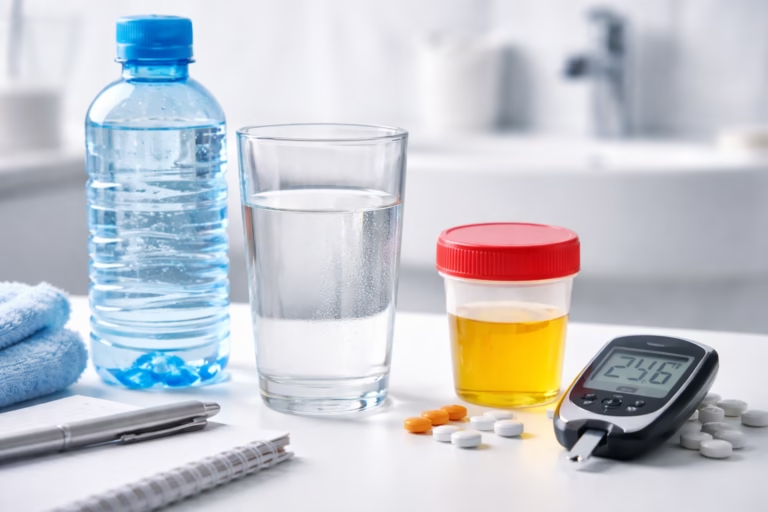
- Adequate hydration with fluids and electrolytes
- Rest to support immune recovery
Medications
- Antibiotics may be used in specific bacterial infections, but are not appropriate for most viral causes
- Antiparasitic medications for diagnosed parasitic infections
- Anti-nausea or anti-diarrheal agents may be considered cautiously in certain cases
Severe illness may require hospitalization for intravenous fluids or advanced care.
Prevention or Lifestyle Considerations
Preventing foodborne infections largely relies on safe food handling and hygiene practices.
Key Prevention Strategies
- Wash hands thoroughly before and after handling food
- Cook foods to recommended internal temperatures
- Avoid raw or unpasteurized products when possible
- Store foods at safe refrigeration temperatures
- Prevent cross-contamination by using separate utensils and cutting boards
- Wash fruits and vegetables under running water
Public health measures such as food safety regulations, routine inspections, and outbreak monitoring also play a critical role in prevention.
Conclusion
Foodborne infections are common but largely preventable illnesses caused by consuming contaminated food or beverages. While many cases are mild, some can result in serious complications, especially for individuals in higher-risk groups. Recognizing symptoms early, practicing safe food handling, and understanding when medical evaluation is needed are key components of reducing both individual and public health risks.
Disclaimer:
This article is intended for educational purposes only and does not replace professional medical evaluation or treatment. If you suspect a foodborne illness or experience severe or persistent symptoms, consult a qualified healthcare professional or local health authority for appropriate guidance and care.