Eyeglasses: A Clear View on Vision Correction
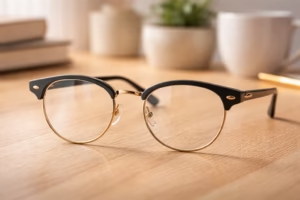
Eyeglasses are one of the most common and effective tools used to correct vision problems. Worn by people of all ages around the world, they play a crucial role in improving visual clarity, enhancing daily functioning, and protecting eye health. Despite their widespread use, many people are unaware of how eyeglasses work, when they are needed, or how they fit into overall eye care.
This article provides an evidence-based, easy-to-understand overview of eyeglasses, including why they are prescribed, how vision problems are diagnosed, and what options are available.
Overview / Definition
Eyeglasses are optical devices designed to improve vision by correcting refractive errors in the eye. They consist of lenses mounted in a frame that sits in front of the eyes, bending (refracting) light so it focuses correctly on the retina—the light-sensitive tissue at the back of the eye responsible for clear vision.
Eyeglasses may also be prescribed for:
- Eye protection
- Reducing eye strain
- Managing specific medical or neurological conditions
Causes or Risk Factors
Eyeglasses are commonly prescribed to correct refractive errors, which occur when the eye does not bend light properly. Common causes and risk factors include:
Types of Refractive Errors
- Myopia (nearsightedness): Difficulty seeing distant objects clearly
- Hyperopia (farsightedness): Difficulty seeing close objects clearly
- Astigmatism: Distorted or blurred vision due to irregularly shaped cornea or lens
- Presbyopia: Age-related difficulty focusing on near objects, typically starting after age 40
Risk Factors
- Genetics (family history of vision problems)
- Aging
- Prolonged near work (e.g., reading or screen use)
- Certain medical conditions (e.g., diabetes)
- Eye injuries or surgeries
Symptoms or Clinical Presentation
Vision problems that may indicate the need for eyeglasses include:
- Blurred or double vision
- Difficulty reading or seeing distant objects
- Frequent headaches
- Eye strain or fatigue
- Squinting to see clearly
- Trouble driving, especially at night
Symptoms can develop gradually and may go unnoticed until they interfere with daily activities.
Diagnosis or Screening
Eyeglasses are prescribed after a comprehensive eye examination, typically performed by an optometrist or ophthalmologist. The exam may include:
- Visual acuity testing (reading letters on a chart)
- Refraction testing (determining lens power)
- Eye alignment and focusing tests
- Eye health evaluation using specialized instruments
Regular eye exams are important, as vision changes can occur even without noticeable symptoms.
Treatment or Management Options
Eyeglasses are a non-invasive, widely accepted method of vision correction. Management options include:
Types of Eyeglass Lenses
- Single-vision lenses: Correct one field of vision (near or distance)
- Bifocal lenses: Two distinct lens powers
- Progressive lenses: Gradual transition between multiple lens powers
- Specialty lenses: For computer use, sports, or specific medical conditions
Lens Features
- Anti-reflective coatings
- Blue-light filtering
- Scratch resistance
- UV protection
Frames are available in various materials and designs to suit comfort, durability, and personal preference.
Prevention or Lifestyle Considerations
While not all vision problems are preventable, healthy eye habits can support long-term eye health:
- Schedule regular eye examinations
- Take breaks during prolonged screen use (e.g., the 20-20-20 rule)
- Maintain a balanced diet rich in eye-healthy nutrients (e.g., vitamin A, lutein)
- Wear protective eyewear when needed
- Ensure proper lighting when reading or working
Using properly prescribed eyeglasses can also reduce eye strain and improve quality of life.
Conclusion
Eyeglasses are a simple yet powerful tool for correcting vision problems and supporting overall eye health. By addressing refractive errors, they help people see more clearly, work more comfortably, and function safely in daily life. Regular eye exams and proper lens selection are essential to ensuring effective vision correction as needs change over time.
Medical Disclaimer
This article is intended for educational purposes only and does not substitute professional medical advice. For concerns about vision or eye health, consult a qualified eye care professional such as an optometrist or ophthalmologist.
Clear vision starts with informed care, and eyeglasses continue to be a reliable solution for millions worldwide.