Emergency Contraception: What You Need to Know
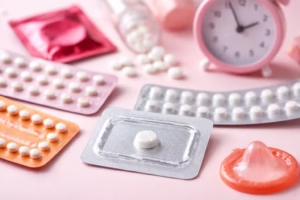
Emergency contraception (EC) is an important part of reproductive healthcare, yet it is often misunderstood. It provides a safe and effective way to reduce the risk of pregnancy after unprotected sex or contraceptive failure. This article explains emergency contraception in clear, evidence-based terms, helping readers understand what it is, when it’s used, how it works, and its limitations.
Overview / Definition
Emergency contraception refers to methods used to prevent pregnancy after sexual intercourse but before pregnancy is established. It is intended for use in specific situations, such as:
- Sex without any contraception
- Contraceptive failure (e.g., condom breakage, missed birth control pills)
- Incorrect use of a regular contraceptive method
- Sexual assault
Emergency contraception does not terminate an existing pregnancy and is not the same as abortion. Its primary mechanism is preventing or delaying ovulation.
Common forms of emergency contraception include:
- Emergency contraceptive pills (ECPs)
- Copper intrauterine device (IUD) used for emergency purposes
Causes or Risk Factors Leading to Use
People may consider emergency contraception due to situations that increase the risk of unintended pregnancy, including:
- Unprotected vaginal intercourse
- Condom slippage or rupture
- Missed doses of oral contraceptive pills
- Late or displaced contraceptive patch or ring
- Sexual assault without contraceptive protection
Using emergency contraception is a preventive response to these situations rather than a routine method of birth control.
Symptoms or Clinical Presentation
Emergency contraception itself does not have “symptoms,” but some individuals may experience temporary side effects, which are usually mild and self-limited.
Possible short-term effects include:
- Nausea or vomiting
- Fatigue
- Headache
- Breast tenderness
- Abdominal discomfort
- Changes in the timing or flow of the next menstrual period
These effects typically resolve without medical treatment.
Diagnosis or Screening
No medical tests are required to use most forms of emergency contraception.
However, healthcare professionals may consider:
- Timing of intercourse relative to ovulation
- Current medications, as some may reduce the effectiveness of certain EC pills
- Existing pregnancy, particularly before insertion of a copper IUD
Emergency contraception is most effective when used as soon as possible after unprotected intercourse.
Treatment or Management Options
Emergency Contraceptive Pills (ECPs)
There are two main types:
- Levonorgestrel-based pills
- Most effective within 72 hours (3 days)
- Available over the counter in many regions
- Ulipristal acetate
- Effective up to 120 hours (5 days)
- Requires a prescription in some countries
These pills primarily work by delaying ovulation.
Copper Intrauterine Device (IUD)
- Can be inserted up to 5 days after unprotected intercourse
- Most effective form of emergency contraception
- Provides long-term contraception for several years
A healthcare professional must insert the copper IUD.
Prevention or Lifestyle Considerations
While emergency contraception is safe and effective, it is not designed for regular use. Ongoing pregnancy prevention is better achieved with consistent contraceptive methods.
Preventive strategies include:
- Using reliable contraception consistently and correctly
- Having backup contraception available
- Learning correct condom use
- Discussing contraceptive options with a healthcare provider
Understanding emergency contraception as a backup option can help individuals make informed, timely decisions.
Conclusion: Key Takeaways
Emergency contraception is a crucial, time-sensitive option for preventing unintended pregnancy after unprotected sex or contraceptive failure. It works mainly by delaying ovulation and does not affect an established pregnancy. Several safe and effective methods are available, including pills and the copper IUD. Awareness, prompt action, and accurate information are key to maximizing its effectiveness.
Important Disclaimer
This article is intended for educational purposes only and does not substitute for professional medical advice. For guidance specific to your health needs or circumstances, please consult a qualified healthcare professional or licensed medical provider.