Cuts & Bruises: Understanding Common Minor Injuries
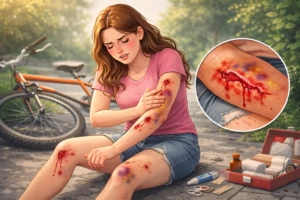
Cuts and bruises are among the most common injuries people experience in daily life. Whether caused by a kitchen accident, a fall, or a minor sports mishap, these injuries are usually minor—but understanding how they occur, how to recognize their severity, and how they are properly managed is important for preventing complications. This article provides a clear, medically accurate overview of cuts and bruises in an easy-to-understand format.
Overview / Definition
Cuts and bruises are types of soft tissue injuries that affect the skin and underlying tissues:
- Cuts (lacerations or abrasions) occur when the skin is broken due to a sharp object, friction, or blunt trauma.
- Bruises (contusions) develop when blood vessels beneath the skin are damaged, causing blood to leak into surrounding tissues without breaking the skin.
While most cuts and bruises are mild and heal on their own, some may require medical evaluation, especially if they are deep, extensive, or associated with other symptoms.
Causes or Risk Factors
Cuts and bruises can happen in a wide variety of settings. Common causes include:
- Accidental trauma
- Falls
- Bumping into hard surfaces
- Sports-related injuries
- Use of sharp objects
- Knives, scissors, glass, or tools
- Everyday activities
- Cooking
- Gardening
- Home repairs
- Increased risk factors
- Poor balance or vision
- Certain medications (e.g., blood thinners that increase bruising)
- Fragile skin, especially in older adults
- High-impact activities or contact sports
Symptoms or Clinical Presentation
The appearance and symptoms depend on the type and severity of the injury.
Common signs of cuts include:
- Broken skin
- Bleeding (ranging from mild oozing to heavier bleeding)
- Pain or tenderness
- Redness or swelling around the wound
Common signs of bruises include:
- Skin discoloration (red, purple, blue, green, or yellow as healing progresses)
- Swelling
- Tenderness or soreness
- Mild stiffness in the affected area
Bruises often change color over time as the body reabsorbs the trapped blood, which is a normal part of the healing process.
Diagnosis or Screening
Most cuts and bruises are diagnosed based on visual inspection and a brief medical history. Healthcare professionals may assess:
- Depth and length of a cut
- Amount of bleeding
- Signs of infection (redness, warmth, pus)
- Extent of swelling or pain
- Recurrent or unexplained bruising
In certain situations—such as frequent unexplained bruises or injuries associated with significant trauma—additional tests or imaging may be recommended to rule out underlying conditions or internal injury.
Treatment or Management Options
Management depends on the severity of the injury.
General care for minor cuts may include:
- Cleaning the wound to remove dirt or debris
- Stopping bleeding with gentle pressure
- Protecting the area with a dressing if needed
- Monitoring for signs of infection
General care for bruises may include:
- Resting the affected area
- Applying cold compresses in the first 24–48 hours to reduce swelling
- Gradually returning to normal activity as discomfort improves
More severe wounds, deep cuts, or injuries that do not heal properly may require stitches, wound closure devices, or medical evaluation.
Prevention or Lifestyle Considerations
While not all injuries can be prevented, certain measures can reduce the risk:
- Use appropriate protective equipment during sports or physical activities
- Keep living spaces well-lit and free of clutter to reduce falls
- Handle sharp tools carefully and store them safely
- Maintain good balance, strength, and mobility through regular physical activity
- Wear appropriate footwear to prevent slips and falls
Older adults and individuals taking medications that affect blood clotting may benefit from extra attention to fall prevention and skin protection.
Conclusion
Cuts and bruises are common, everyday injuries that most people experience at some point. While they are often minor, understanding their causes, symptoms, and general management can help promote proper healing and reduce the risk of complications. Being attentive to injury severity and practicing simple preventive measures can make a meaningful difference in overall safety and well-being.
Important Disclaimer
This article is intended for educational purposes only and does not provide personalized medical advice. Always consult a qualified healthcare professional for diagnosis, treatment, or concerns related to cuts, bruises, or any other medical condition.