Contact Dermatitis: Understanding Causes, Symptoms, and Management
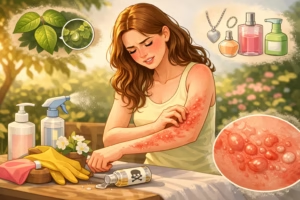
Skin reactions can be uncomfortable, frustrating, and sometimes alarming, especially when they seem to appear out of nowhere. One common cause of sudden or persistent skin irritation is contact dermatitis, a frequent and generally manageable skin condition. Understanding what contact dermatitis is, how it develops, and how it’s treated can help individuals recognize symptoms early and seek appropriate care.
Overview: What Is Contact Dermatitis?
Contact dermatitis is an inflammatory skin condition that occurs when the skin comes into contact with a substance that either irritates it or triggers an allergic reaction. The condition is not contagious and can affect people of all ages.
There are two main types:
- Irritant Contact Dermatitis (ICD): Caused by direct damage to the skin from a substance
- Allergic Contact Dermatitis (ACD): Caused by an immune system reaction to a specific allergen
Both types result in inflammation of the skin, but they differ in mechanism, triggers, and sometimes in severity.
Causes and Risk Factors
Contact dermatitis develops after exposure to specific environmental or chemical substances. The risk depends on the type of exposure, duration, and individual susceptibility.
Common Causes
Irritant Contact Dermatitis
- Soaps and detergents
- Cleaning products
- Acids or solvents
- Frequent hand washing or prolonged moisture exposure
- Industrial chemicals
Allergic Contact Dermatitis
- Nickel (jewelry, buttons, watches)
- Fragrances and preservatives in cosmetics
- Latex
- Hair dyes
- Plants such as poison ivy, poison oak, or poison sumac
- Certain topical medications
Risk Factors
- Occupational exposure (e.g., healthcare workers, hairdressers, construction workers)
- History of eczema or atopic dermatitis
- Repeated or prolonged exposure to irritants
- Known allergies or sensitive skin
Symptoms and Clinical Presentation
Symptoms of contact dermatitis vary based on the type of exposure and individual response, but they generally appear at the site of contact.
Common Signs and Symptoms Include:
- Redness and inflammation
- Itching (which may be intense)
- Dry, cracked, or scaly skin
- Rash or bumps
- Blistering or oozing (in more severe cases)
- Swelling or tenderness
Symptoms may develop within hours (especially with irritant exposure) or after several days in allergic contact dermatitis.
Diagnosis and Evaluation
Contact dermatitis is typically diagnosed based on:
- A detailed medical and exposure history
- Physical examination of the affected skin
- Symptom timing and pattern
Additional Diagnostic Tools
- Patch testing: Commonly used to identify allergens responsible for allergic contact dermatitis
- Exclusion of other skin conditions: Such as psoriasis, fungal infections, or atopic dermatitis
Laboratory tests are usually unnecessary unless another diagnosis is suspected.
Treatment and Management Options
Treatment focuses on reducing inflammation, relieving symptoms, and preventing further exposure.
Common Management Approaches
- Avoidance of the triggering substance
- Topical corticosteroids: To reduce inflammation and itching
- Emollients and moisturizers: To restore the skin barrier
- Oral antihistamines: May help relieve itching (particularly in allergic cases)
- Cool compresses: Can soothe inflamed skin
In severe or persistent cases, stronger prescription treatments may be recommended by a healthcare professional.
Prevention and Lifestyle Considerations
Preventive strategies play a key role, especially for individuals with known sensitivities or occupational exposure.
Helpful Preventive Measures
- Identify and avoid known irritants or allergens
- Use fragrance-free and hypoallergenic products
- Wear protective gloves or clothing when handling chemicals
- Moisturize regularly to maintain skin barrier integrity
- Read labels carefully on skincare, cosmetic, and household products
Awareness and consistent protective habits can significantly reduce recurrence.
Conclusion: Key Takeaways
Contact dermatitis is a common, non-contagious skin condition caused by irritants or allergens that come into contact with the skin. While symptoms can be uncomfortable, the condition is usually manageable with accurate identification of triggers, appropriate treatment, and preventive skin care. Early recognition and avoidance are essential for minimizing flare-ups and maintaining healthy skin.
Medical Disclaimer
This article is intended for educational purposes only and does not substitute professional medical advice, diagnosis, or treatment. Always consult a qualified healthcare professional or dermatologist for concerns related to skin conditions or treatment options.
If you’d like more medically reviewed content on skin health, allergies, or dermatologic conditions, feel free to explore related articles or ask for additional topics.