Common Cold: What You Need to Know
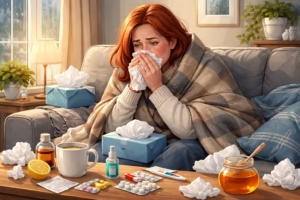
The common cold is one of the most frequent illnesses affecting people of all ages worldwide. While it is usually mild and self-limiting, it can cause significant discomfort and disruption to daily life. Understanding what the common cold is, how it spreads, and how it’s managed can help individuals make informed decisions and set realistic expectations about recovery.
This article provides a clear, evidence-based overview of the common cold using accessible, medically accurate language.
Overview / Definition
The common cold is a viral infection of the upper respiratory tract, primarily affecting the nose and throat. It is caused by a group of viruses rather than a single organism, making it common, recurrent, and difficult to completely prevent.
- The common cold is not the same as influenza (flu), which is caused by different viruses and is typically more severe.
- Most colds resolve on their own within 7–10 days, though symptoms can occasionally last longer.
Causes or Risk Factors
Causes
The common cold is caused by more than 200 types of viruses. The most common include:
- Rhinoviruses (the leading cause)
- Coronaviruses (non-COVID strains)
- Adenoviruses
- Respiratory syncytial virus (RSV)
These viruses spread through:
- Respiratory droplets from coughing or sneezing
- Direct contact, such as shaking hands
- Touching contaminated surfaces, then touching the face, mouth, or nose
Risk Factors
Certain factors increase the likelihood of catching a cold:
- Close contact with infected individuals
- Crowded settings (schools, workplaces, public transport)
- Poor hand hygiene
- Weakened immune system
- Young age (children catch colds more frequently)
- Smoking or exposure to secondhand smoke
Symptoms or Clinical Presentation
Symptoms usually appear 1–3 days after exposure to the virus and may vary in severity.
Common symptoms include:
- Runny or stuffy nose
- Sneezing
- Sore throat
- Cough
- Mild headache
- Fatigue or general malaise
- Watery eyes
- Low-grade fever (more common in children)
Symptoms tend to peak within the first few days and then gradually improve.
Diagnosis or Screening
The common cold is usually diagnosed based on clinical symptoms and medical history. Laboratory tests are rarely needed.
Healthcare professionals may consider further evaluation if:
- Symptoms are severe or persistent
- There is a high fever
- Breathing difficulties occur
- Another condition (such as influenza, COVID-19, sinus infection, or allergies) is suspected
Treatment or Management Options
There is no cure for the common cold, as it is caused by viruses and antibiotics are ineffective against viral infections.
Management focuses on symptom relief and supportive care, which may include:
- Rest and adequate sleep
- Staying well hydrated
- Over-the-counter medications to reduce:
- Nasal congestion
- Cough
- Fever or pain
- Throat lozenges or warm fluids to ease throat discomfort
Medications should always be used according to product instructions, and combination products should be used cautiously.
Prevention or Lifestyle Considerations
While it is not possible to prevent all colds, certain measures can significantly reduce the risk of infection:
- Frequent handwashing with soap and water
- Avoiding close contact with people who are ill
- Covering the mouth and nose when coughing or sneezing
- Cleaning frequently touched surfaces
- Avoiding touching the face with unwashed hands
- Maintaining a healthy lifestyle to support immune function:
- Balanced diet
- Regular physical activity
- Adequate sleep
Conclusion
The common cold is a widespread viral illness that most people experience multiple times throughout life. Although it is generally mild and self-resolving, it can cause uncomfortable symptoms and temporary disruption. Understanding its causes, symptoms, and management options can help set expectations and reduce unnecessary concern. Preventive habits, particularly good hand hygiene, remain the most effective way to limit the spread of cold viruses.
Medical Disclaimer
This article is intended for educational purposes only and does not replace professional medical advice, diagnosis, or treatment. Readers are encouraged to consult a qualified healthcare professional with any questions or concerns regarding their health or symptoms.