Introduction
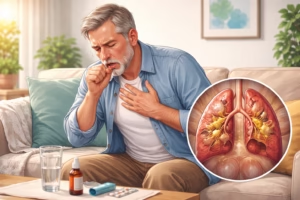
Chronic Obstructive Pulmonary Disease (COPD) is a common, long-term lung condition that makes it difficult to breathe. It affects millions of people worldwide and is a leading cause of illness and death, particularly among older adults. Although COPD is a serious condition, it is often preventable and manageable, especially when recognized early. This article provides a clear, evidence-based overview of COPD, its causes, symptoms, diagnosis, treatment options, and lifestyle considerations, using accessible language for a general audience.
Overview / Definition
COPD is an umbrella term used to describe progressive lung diseases that obstruct airflow. The two most common conditions under COPD are:
- Chronic bronchitis – long-term inflammation of the airways, leading to mucus production and persistent cough
- Emphysema – damage to the air sacs (alveoli) in the lungs, reducing the lungs’ ability to exchange oxygen
COPD is typically progressive, meaning it tends to worsen over time. However, with appropriate management, many people with COPD can maintain a good quality of life.
Causes or Risk Factors
The primary cause of COPD is long-term exposure to substances that irritate and damage the lungs. Key risk factors include:
- Cigarette smoking (the most significant risk factor)
- Secondhand smoke exposure
- Long-term exposure to air pollution
- Occupational exposure to dust, fumes, or chemicals
- Indoor air pollution, such as smoke from biomass fuels used for cooking or heating
- Genetic factors, including a rare condition called alpha-1 antitrypsin deficiency
Not everyone exposed to these risks develops COPD, suggesting that genetics and overall lung health also play a role.
Symptoms or Clinical Presentation
Symptoms of COPD often develop gradually and may be overlooked in the early stages. Common symptoms include:
- Shortness of breath, especially during physical activity
- Chronic cough, often with mucus production
- Wheezing or chest tightness
- Frequent respiratory infections
- Fatigue or reduced exercise tolerance
As COPD progresses, symptoms may worsen and flare-ups (called exacerbations) can occur, sometimes requiring medical treatment or hospitalization.
Diagnosis or Screening
COPD is diagnosed based on a combination of medical history, symptoms, physical examination, and lung function testing. Common diagnostic tools include:
- Spirometry – a breathing test that measures how much air a person can exhale and how quickly
- Chest imaging (X-ray or CT scan) to assess lung structure
- Oxygen level testing using pulse oximetry or blood gas analysis
Early diagnosis is important, as it allows for timely intervention to slow disease progression.
Treatment or Management Options
While there is no cure for COPD, treatment focuses on managing symptoms, improving quality of life, and reducing flare-ups. Management strategies may include:
- Smoking cessation, the most critical step for slowing disease progression
- Medications, such as bronchodilators and inhaled corticosteroids, to improve airflow and reduce inflammation
- Pulmonary rehabilitation, a structured program combining exercise, education, and breathing techniques
- Oxygen therapy, for individuals with low blood oxygen levels
- Vaccinations, including influenza and pneumococcal vaccines, to prevent respiratory infections
Treatment plans are tailored by healthcare professionals based on disease severity and individual needs.
Prevention or Lifestyle Considerations
Many cases of COPD are preventable. Steps that can reduce risk or help manage the condition include:
- Avoiding smoking and secondhand smoke
- Reducing exposure to air pollutants and occupational hazards
- Staying physically active within individual capacity
- Maintaining a balanced diet to support overall health
- Seeking prompt medical care for respiratory infections
Healthy lifestyle choices play a significant role in managing symptoms and improving long-term outcomes.
Conclusion
COPD is a chronic but manageable lung condition that affects breathing and daily life. Understanding its causes, recognizing symptoms early, and following evidence-based treatment strategies can significantly improve quality of life. Prevention—particularly through smoking cessation and environmental protections—remains a cornerstone in reducing the global impact of COPD. Increased awareness and early medical evaluation are key to better outcomes.
Medical Disclaimer
This article is intended for educational purposes only and should not be used as a substitute for professional medical advice, diagnosis, or treatment. Individuals with symptoms or concerns related to breathing or lung health are encouraged to consult a qualified healthcare professional for personalized evaluation and care.