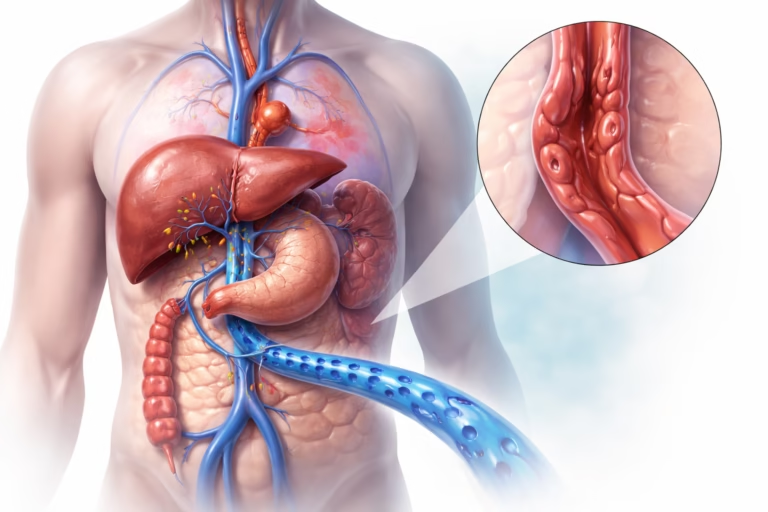

Bloating is a common digestive complaint that nearly everyone experiences at some point. While it is often harmless and temporary, bloating can be uncomfortable, distressing, and sometimes a sign of an underlying health condition. Understanding what bloating is, why it happens, and how it is evaluated and managed can help individuals make informed decisions about their digestive health.
Overview / Definition
Bloating refers to a feeling of fullness, tightness, or swelling in the abdomen. It may or may not be accompanied by visible abdominal distension. People often describe bloating as feeling “gassy,” “stretched,” or “uncomfortably full,” even if they have not eaten a large meal.
Bloating is commonly related to the digestive system and is frequently linked to gas production, fluid retention, or changes in gut movement. While usually benign, persistent or severe bloating warrants medical evaluation.
Causes or Risk Factors
Bloating can result from a wide range of factors, from normal digestive processes to medical conditions. Common causes include:
Digestive and Dietary Factors
- Swallowing excess air (aerophagia), often from eating quickly or chewing gum
- Gas production from gut bacteria breaking down certain foods
- Consumption of gas-producing foods (e.g., beans, lentils, carbonated drinks)
- Food intolerances, such as lactose or fructose intolerance
Gastrointestinal Conditions
- Irritable bowel syndrome (IBS)
- Constipation
- Small intestinal bacterial overgrowth (SIBO)
- Gastroesophageal reflux disease (GERD)
Hormonal and Systemic Factors
- Hormonal fluctuations during the menstrual cycle
- Fluid retention related to sodium intake
- Certain medications (e.g., laxatives, antacids containing sorbitol)
Less Common but Serious Causes
- Ovarian or gastrointestinal cancers
- Liver disease with fluid accumulation (ascites)
- Intestinal obstruction
Symptoms or Clinical Presentation
Bloating may occur alone or alongside other digestive symptoms. Common features include:
- A sensation of abdominal fullness or pressure
- Visible abdominal distension
- Excessive gas or flatulence
- Abdominal discomfort or mild pain
- Changes in bowel habits (diarrhea or constipation)
Symptoms may worsen after meals or at certain times of the day. Persistent bloating, especially when accompanied by weight loss, pain, vomiting, or blood in the stool, should be investigated promptly.
Diagnosis or Screening
Diagnosing the cause of bloating starts with a thorough medical history and physical examination. Healthcare professionals may ask about dietary habits, symptom patterns, and accompanying signs.
Depending on the clinical context, additional evaluations may include:
- Blood tests to assess for inflammation, anemia, or metabolic conditions
- Breath tests to evaluate lactose intolerance or bacterial overgrowth
- Stool studies to check for infection or malabsorption
- Imaging studies (such as ultrasound or CT scans)
- Endoscopic procedures in selected cases
The goal is to distinguish functional causes from conditions that require targeted treatment.
Treatment or Management Options
Treatment of bloating depends on the underlying cause and severity. Common management strategies include:
Dietary and Digestive Support
- Identifying and limiting trigger foods
- Eating smaller, more frequent meals
- Ensuring adequate fiber intake when appropriate
- Staying well hydrated
Medications (When Indicated)
- Antiflatulent agents (e.g., simethicone)
- Laxatives for constipation-related bloating
- Probiotics in selected cases
- Prescription medications for diagnosed conditions such as IBS
Addressing Underlying Conditions
- Treating food intolerances
- Managing gastrointestinal disorders
- Reviewing and adjusting medications under medical supervision
Prevention or Lifestyle Considerations
While not all bloating can be prevented, certain habits may reduce its frequency and intensity:
- Eating slowly and mindfully
- Avoiding excessive carbonated beverages
- Maintaining regular physical activity to support gut motility
- Managing stress, which can affect gut function
- Keeping a symptom or food diary to identify patterns
Consistency and awareness are key components of long-term digestive health.
Conclusion
Bloating is a frequent and often benign symptom, but it can significantly affect comfort and quality of life. It may arise from everyday dietary habits, functional digestive disorders, or less commonly, underlying medical conditions. Understanding the possible causes, recognizing warning signs, and seeking appropriate evaluation when needed are essential steps in effective management.
Medical Disclaimer
This article is intended for educational purposes only and does not provide personalized medical advice. Individuals experiencing persistent, severe, or concerning symptoms should consult a qualified healthcare professional for proper evaluation and guidance.