
Introduction
Congestive heart failure (CHF) affects millions worldwide, leading to fatigue, shortness of breath, and reduced quality of life. If someone in your family has been diagnosed with CHF, you may wonder: Does congestive heart failure run in families? In this post, we’ll explore the genetic and environmental factors behind CHF, review the role of family history in your risk profile, and share practical steps you can take to protect your heart health.

Understanding Congestive Heart Failure
What Is CHF?
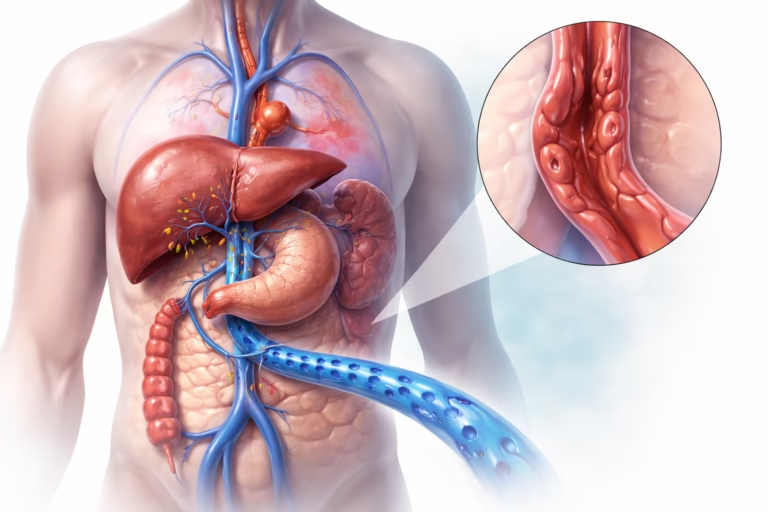
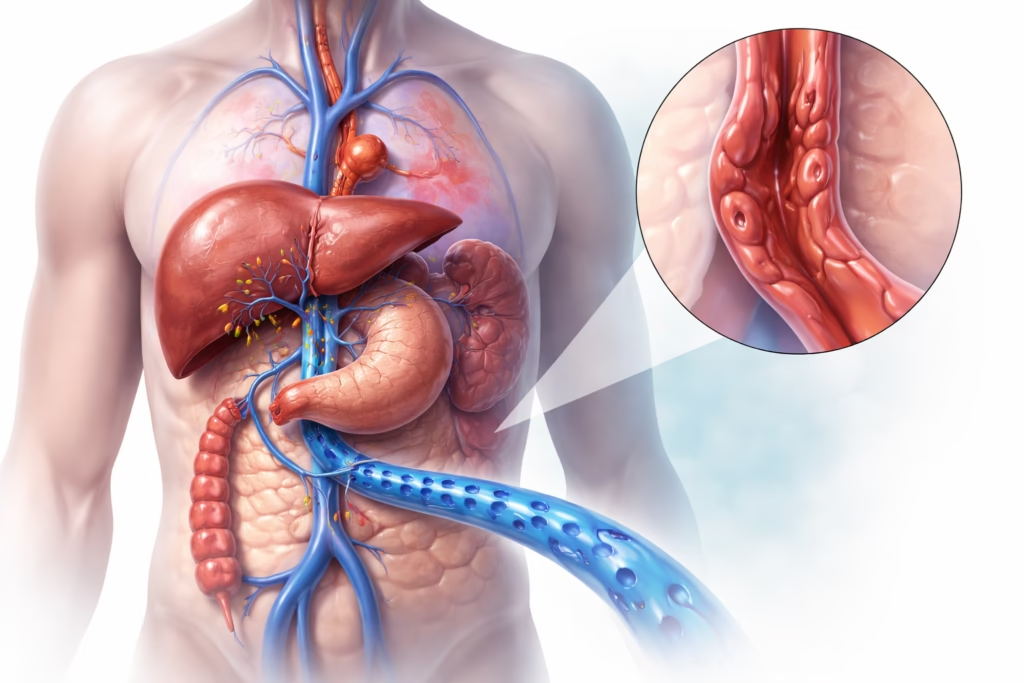
• Congestive heart failure (CHF) is a long-term, progressive condition in which the heart becomes weakened or stiff and is unable to pump enough blood to meet the body’s needs. As a result, vital organs and tissues may not receive sufficient oxygen and nutrients, leading to fatigue, weakness, and reduced physical capacity.
• The term “congestive” refers to the buildup of excess fluid in the body that occurs when the heart cannot circulate blood effectively. This fluid can accumulate in the lungs (causing shortness of breath), in the legs and ankles (leading to swelling), or in the abdomen (causing discomfort and bloating).
• Common symptoms include:
– Shortness of breath, especially when lying down
– Persistent coughing or wheezing
– Swelling in the ankles, feet, or legs
– Fatigue and weakness
Key Risk Factors
- High blood pressure (hypertension)
- Coronary artery disease and prior heart attacks
- Diabetes
- Obesity
- Excessive alcohol or tobacco use
Genetics and Family History

Is CHF Hereditary?
Research shows that a family history of heart disease can increase your risk of CHF, but genetics is only one piece of the puzzle.
Inherited Cardiomyopathies
• Hypertrophic cardiomyopathy (HCM) and dilated cardiomyopathy (DCM) are forms of heart muscle disease that are frequently inherited and can be passed down through families. Individuals with a family history of these conditions have a higher risk of developing them, even if symptoms appear later in life.
• These conditions are often caused by genetic mutations that affect the proteins responsible for the structure and contraction of heart muscle cells. Over time, these faulty proteins can impair the heart’s ability to contract and relax properly, leading to abnormal thickening or enlargement of the heart chambers and a gradual weakening of overall heart function.
Patterns of Inheritance
• Autosomal dominant: One copy of the mutated gene (from either parent) may be enough to cause disease.
• Autosomal recessive: Two copies (one from each parent) are required.
• Variable expression: Even within the same family, severity can vary.
Genetic Testing and Counseling
• Who should consider it?
– Individuals with early-onset cardiomyopathy (under age 50)
– Those with multiple affected relatives
• Benefits:
– Clarify your personal risk
– Guide early monitoring and preventive care
• Limitations:
– Not all genetic causes are known
– A negative test doesn’t guarantee zero risk
Shared Lifestyle and Environmental Influences
Even if your genes predispose you to CHF, lifestyle and environment often tip the scales. Families tend to share:
• Dietary habits (high sodium, saturated fat)
• Physical activity levels
• Smoking or alcohol consumption patterns
• Stress management techniques
By adopting heart-healthy practices as a family, you can counteract some genetic risks.
Other Contributing Risk Factors
Beyond genetics and lifestyle, keep an eye on:
• Age: Risk increases after age 65
• Sex: Men develop CHF at slightly younger ages; women often fare worse after diagnosis
• Coexisting conditions: Kidney disease, sleep apnea, and thyroid disorders can exacerbate heart failure
Prevention Strategies: Lowering Your CHF Risk
If CHF runs in your family, early prevention is key. Consider these steps:
- Get regular check-ups
– Monitor blood pressure, cholesterol, and blood sugar.
– Share your family history with your physician. - Adopt a heart-healthy diet
– Focus on whole grains, lean proteins, fruits, and vegetables.
– Limit sodium to under 2,300 mg per day (or as advised). - Stay active
– Aim for at least 150 minutes of moderate exercise weekly.
– Include both aerobic and strength-training activities. - Maintain a healthy weight
– Even modest weight loss can reduce blood pressure and strain on the heart. - Quit smoking and limit alcohol
– Seek professional help or support groups if needed. - Manage stress
– Practice mindfulness, yoga, or deep-breathing exercises.
When to See Your Doctor

If you have a known family history of CHF or cardiomyopathy, proactive screening can catch problems early:
• Annual cardiac exams and echocardiograms
• Blood tests for natriuretic peptides (BNP or NT-proBNP)
• Consult a cardiologist if you experience new or worsening symptoms
Conclusion
While a family history of congestive heart failure can elevate your risk, it doesn’t seal your fate. Genetics, lifestyle, and environmental factors all play a role. By understanding your personal risk profile and adopting heart-healthy habits, along with regular medical check-ups, you can empower yourself to prevent or delay the onset of CHF. Talk to your healthcare provider about genetic counseling, screening, and personalized strategies to keep your heart strong for years to come.