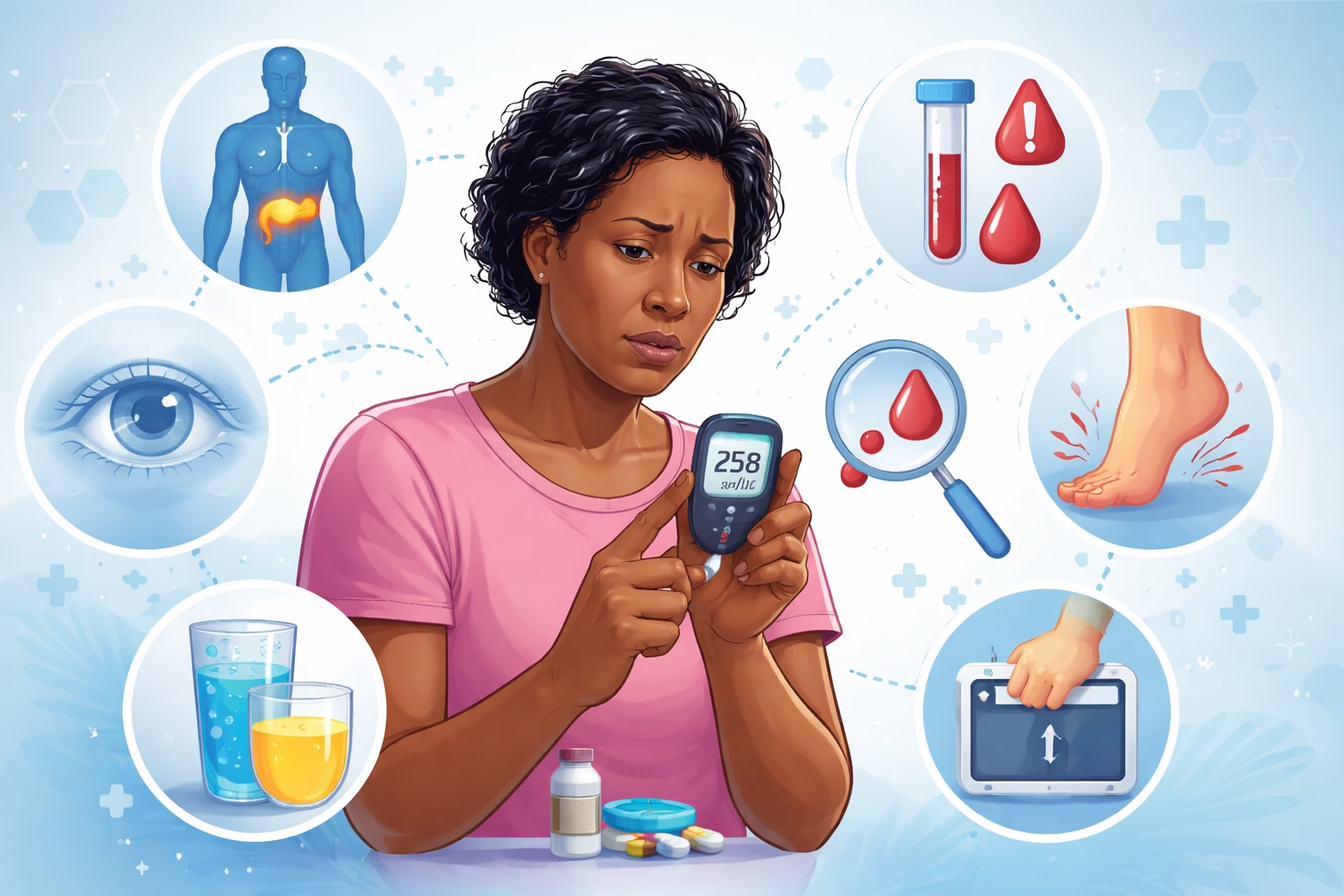
Diabetes Symptom Checker: Review Warning Signs and Risk Factors
Understanding early signs of diabetes is essential for timely intervention and effective management. Many symptoms develop gradually and may be overlooked or mistaken for less serious conditions. As a result, individuals may remain unaware of underlying blood sugar imbalances until complications begin to emerge. A structured approach to symptom awareness can therefore play a critical role in supporting early detection.
- Tool reviews common warning signs and associated risk factors in a simple, user-friendly format.
- Selecting symptoms and personal health indicators helps identify patterns needing further attention and categorizes concern levels.
- Recognizes symptom combinations, including persistent thirst, frequent urination, unexplained weight loss, and fatigue, that suggest elevated blood sugar.
- Results are educational guidance only; diabetes must be confirmed by lab testing and professional medical evaluation.
- Seek immediate care for severe symptoms like confusion, breathing difficulty, or extreme weakness; otherwise use the checker to guide next steps.
This diabetes symptom checker provides a simple and user-friendly way to review common warning signs and associated risk factors. By selecting relevant symptoms and personal health indicators, users can gain insight into possible patterns that may require further attention. The tool organizes this information into clear categories, helping individuals understand whether their current situation suggests lower, moderate, or higher levels of concern.
Moreover, the checker highlights combinations of symptoms that may indicate the need for prompt medical evaluation. For instance, persistent excessive thirst, frequent urination, unexplained weight loss, and fatigue are commonly associated with elevated blood sugar levels. When these occur alongside risk factors such as family history, low physical activity, or previous indications of prediabetes, the importance of clinical assessment becomes even more pronounced.
However, it is important to emphasize that this tool does not provide a medical diagnosis. Diabetes can only be confirmed through appropriate laboratory testing and professional medical evaluation. Therefore, the results should be interpreted as educational guidance rather than definitive conclusions.
Individuals experiencing severe symptoms, including confusion, difficulty breathing, or extreme weakness, should seek immediate medical care. For others, the checker serves as a practical starting point for understanding symptoms and making informed decisions about seeking further evaluation.
Use the tool below to explore your symptoms and take a proactive step toward better health awareness.
Diabetes Symptom Checker
This user-friendly tool helps individuals review common diabetes-related symptoms, risk patterns, and warning signs. It is designed for education and early awareness, not for diagnosis. If symptoms are severe or rapidly worsening, urgent medical care is advised.
Before You Use This Tool
Diabetes may develop gradually, and many symptoms can overlap with other health conditions. This checker organizes symptoms into a simple guided flow so that users can identify possible warning patterns, understand their level of concern, and know when formal medical testing should be considered.
- It reviews symptoms, risk factors, and symptom duration.
- It highlights urgent warning signs that should not be ignored.
- It separates lower concern, moderate concern, and higher concern patterns.
- It encourages testing and clinical review where appropriate.
Important Note
This tool does not diagnose diabetes, prediabetes, or any other condition.
Diagnosis requires appropriate medical evaluation, which may include fasting blood glucose, HbA1c, or other clinician-directed tests.
Seek urgent care immediately if there is confusion, severe vomiting, trouble breathing, or extreme weakness.
Check Symptoms and Risk Patterns
Basic Profile
This section helps the tool tailor its education more clearly.
Main Concern
Choose the option that best matches why the user is checking symptoms today.
Common Diabetes-Related Symptoms
Select all symptoms that apply.
Risk Factors
These do not confirm diabetes, but they can increase concern when symptoms are also present.
Timing and Severity
A few final details help refine the educational guidance.