
Introduction
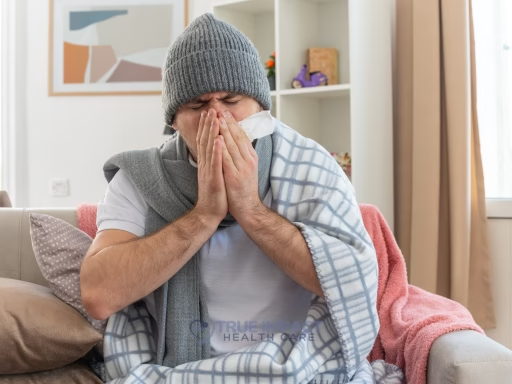
Have you ever woken up with a scratchy throat, a stuffy nose, and that unmistakable “ugh” feeling? You’re not alone. The common cold is one of the world’s most pervasive viral infections, affecting billions each year. Though it’s usually mild, a cold can disrupt your work, family time, and weekend plans. In this post, we’ll explore what causes the common cold, identify its telltale symptoms, walk through home remedies and medical treatments, and share practical prevention tips to help you stay healthy year-round.
What Exactly Is the Common Cold?
The common cold is a contagious respiratory illness caused mainly by rhinoviruses (over 100 distinct strains). It primarily infects your nose and throat, leading to inflammation, mucus production, and the classic cold symptoms. Unlike the flu, colds generally come on more gradually and rarely lead to serious complications in healthy adults.
Key facts about the common cold:
• Viral origin: Mostly rhinoviruses, but also coronaviruses, adenoviruses, and enteroviruses
• Transmission: Spread via droplets (coughs/sneezes), direct contact, or touching contaminated surfaces
• Seasonality: Peaks in fall and winter, though possible year-round
Recognizing Common Cold Symptoms
Symptoms usually appear 1–3 days after exposure and can last anywhere from 3 to 14 days. Here’s what to watch for:
Early Signs (Days 1–2)
• Scratchy or sore throat
• Sneezing and runny nose
• General fatigue
Peak Symptoms (Days 3–5)
• Nasal congestion and thickened mucus
• Persistent cough
• Mild headache or body aches
• Low-grade fever (more common in children)
Recovery Phase (Days 6–10+)
• Mucus gradually thins
• Cough may linger but should improve
• Energy levels return
Why You Catch Colds—Causes and Risk Factors
Understanding why you’re prone to colds helps you take targeted prevention steps.
Primary causes:
• Close contact with infected people (family, coworkers, public transport)
• Touching your face after contact with contaminated surfaces
• Weakened immune system from stress, lack of sleep, or poor nutrition
Additional risk factors:
• Age: Young children and older adults are at higher risk
• Seasonal changes: Indoor crowding during colder months
• Chronic health conditions: Asthma, diabetes, or heart disease can worsen cold outcomes
At-Home Remedies and Over-the-Counter Treatments
Most colds resolve on their own, but these strategies can ease your discomfort:
Home Remedies
• Rest: Aim for 7–9 hours of sleep to support your immune system
• Hydration: Water, herbal tea, and broth help thin mucus
• Saltwater gargle: Relieves sore throat—mix ½ teaspoon of salt in warm water
• Steam inhalation: Hot shower or bowl of hot water with a towel over your head
Over-the-Counter (OTC) Options
• Decongestants (pseudoephedrine) for short-term nasal relief
• Antihistamines (diphenhydramine) to reduce runny nose and sneezing
• Pain relievers (acetaminophen or ibuprofen) for headache and body aches
• Cough suppressants (dextromethorphan) or expectorants (guaifenesin)
When to Seek Medical Attention
Although rare, complications can arise. Contact your healthcare provider if you experience:
• High or persistent fever (above 101.3°F / 38.5°C)
• Severe headache, sinus pain, or ear pain
• Wheezing or shortness of breath
• Symptoms lasting more than two weeks or worsening after initial improvement
Top Tips for Preventing the Common Cold
Prevention is your best defense. Incorporate these habits into your routine:
- Practice Good Hand Hygiene
• Wash hands for 20 seconds with soap and warm water
• Use alcohol-based hand sanitizer when washing isn’t available - Avoid Touching Your Face
• Viruses enter through eyes, nose, and mouth, keep hands down - Strengthen Your Immune System
• Balanced diet rich in fruits, vegetables, and lean proteins
• Regular exercise (30 minutes most days)
• Adequate sleep (7–9 hours) and stress management - Keep Shared Spaces Clean
• Disinfect doorknobs, light switches, and phone screens
• Use tissues when coughing or sneezing, then dispose promptly - Consider Supplements Wisely
• Vitamin C, zinc lozenges, and honey have shown modest benefits in shortening symptoms
• Always consult your doctor before starting any supplement regimen
Conclusion
While the common cold may be nearly unavoidable, you can significantly reduce your risk and manage symptoms effectively when you do catch one. By practicing good hygiene, maintaining a strong immune system, and knowing when to rest or seek medical advice, you’ll spend fewer days feeling under the weather. Next time you feel that first tickle in your throat, refer back to these tips—and remember: a proactive approach is your best defense against the common cold. Stay healthy!











One Response