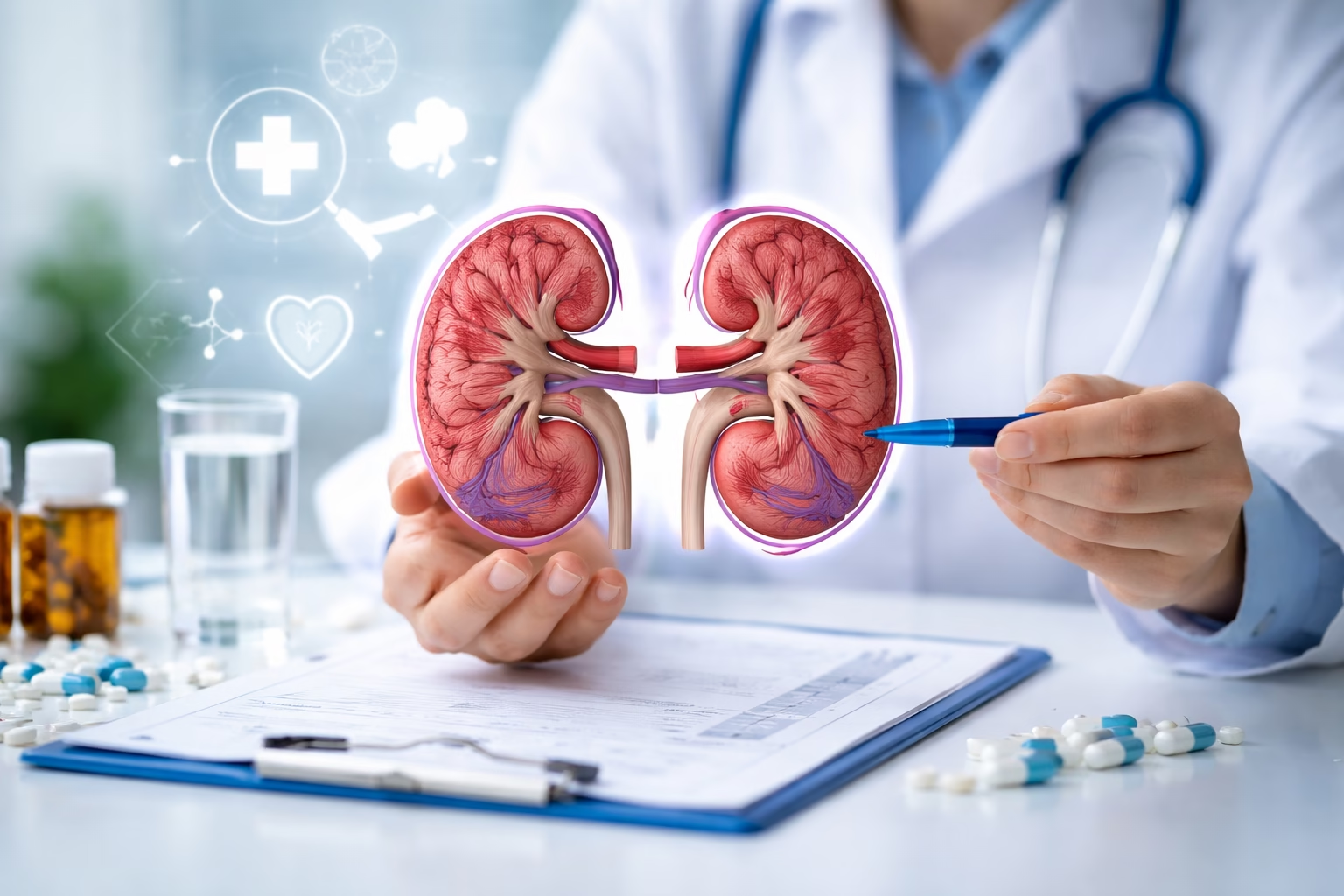
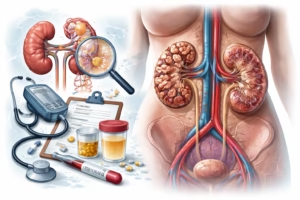
Chronic Kidney Disease, commonly referred to as CKD, is a progressive medical condition in which the kidneys gradually lose their ability to function effectively over time. The kidneys play a vital physiological role in maintaining internal balance within the body. They filter waste products from the blood, regulate fluid levels, maintain electrolyte balance, and contribute to blood pressure control and red blood cell production. When kidney function declines over a prolonged period, harmful substances accumulate in the body and multiple organ systems can be affected.
- Early detection through regular testing (GFR, urine protein) and monitoring enables timely intervention to slow progression and prevent complications.
- Control underlying causes, especially diabetes and hypertension, using medications, blood sugar regulation, and blood pressure management to protect kidney function.
- Adopt kidney friendly diet, maintain healthy weight, avoid NSAIDs and smoking, and prepare for dialysis or transplant if advanced disease occurs.
CKD often develops silently, especially during the early stages. Many individuals remain unaware of the condition until significant kidney damage has already occurred. For this reason, understanding the early warning signs and adopting appropriate long term management strategies is essential for reducing complications and slowing disease progression.
Understanding Chronic Kidney Disease
Chronic Kidney Disease is defined as a gradual and persistent reduction in kidney function lasting for at least three months. Healthcare professionals typically evaluate kidney health using measurements such as the glomerular filtration rate (GFR) and the presence of protein in the urine (proteinuria). A reduced GFR indicates that the kidneys are no longer filtering blood efficiently.
CKD develops in stages, ranging from mild impairment in Stage 1 to complete kidney failure in Stage 5, also known as end stage renal disease (ESRD). In advanced stages, patients may require dialysis or kidney transplantation to sustain life.
Several conditions increase the likelihood of developing CKD. Among the most common causes are diabetes mellitus and hypertension, both of which can damage the delicate blood vessels within the kidneys. Other contributing factors include autoimmune diseases, recurrent kidney infections, genetic disorders, and prolonged use of certain medications that may affect kidney tissue.
Major Risk Factors for CKD
A number of medical and lifestyle factors contribute to the development of chronic kidney disease. Recognizing these risk factors is an important step in prevention and early intervention.
Diabetes
High blood sugar levels over a long period can damage the filtering units of the kidneys, known as nephrons. Diabetic kidney disease is one of the leading causes of CKD worldwide.
High Blood Pressure
Persistent hypertension places excessive pressure on blood vessels, including those in the kidneys. Over time, this pressure weakens the vessels and reduces the kidneys’ filtering ability.
Cardiovascular Disease
Conditions affecting the heart and blood vessels often coexist with kidney disease because both systems rely heavily on healthy circulation.
Family History of Kidney Disease
Some kidney disorders, such as polycystic kidney disease, are inherited and increase the likelihood of developing CKD.
Obesity and Unhealthy Lifestyle
Excess weight, poor diet, and physical inactivity may contribute to metabolic disorders that increase kidney strain.
Long Term Medication Use
Frequent use of certain pain relievers, particularly nonsteroidal anti inflammatory drugs, may contribute to kidney damage when taken over extended periods without medical supervision.
Early Warning Signs of Chronic Kidney Disease
One of the most challenging aspects of CKD is that symptoms often remain subtle during the early stages. Nevertheless, several warning signs may indicate that kidney function is declining.
1. Persistent Fatigue and Weakness
When the kidneys fail to remove toxins effectively, waste products accumulate in the bloodstream. This buildup can lead to fatigue, reduced concentration, and general weakness.
2. Changes in Urination Patterns
Kidney dysfunction often alters urination patterns. Individuals may notice increased frequency of urination, especially at night, or reduced urine output in some cases.
3. Swelling in the Legs, Ankles, or Face
Impaired kidney function can lead to fluid retention. This condition, known as edema, commonly causes swelling in the lower limbs and sometimes in the face.
4. Foamy or Bubbly Urine
Protein leakage into the urine may cause a foamy appearance. This condition is referred to as proteinuria and often indicates kidney damage.
5. Shortness of Breath
Fluid accumulation in the lungs or severe anemia related to kidney dysfunction can contribute to breathing difficulties.
6. Loss of Appetite and Nausea
Accumulation of metabolic waste products in the blood may lead to nausea, vomiting, and reduced appetite.
7. High Blood Pressure That Is Difficult to Control
The kidneys help regulate blood pressure through fluid and hormone balance. When kidney function declines, blood pressure may become harder to manage.
Because these symptoms can resemble other health conditions, laboratory testing remains essential for confirming kidney disease.
How CKD Is Diagnosed
Early diagnosis plays a critical role in slowing disease progression and preventing complications. Healthcare providers typically use several diagnostic tools to assess kidney function.
Blood Tests
Blood tests measure creatinine levels and calculate the glomerular filtration rate. Elevated creatinine often indicates reduced kidney filtration capacity.
Urine Tests
Urinalysis can detect abnormal levels of protein, blood, or other substances that suggest kidney damage.
Imaging Studies
Ultrasound or CT scans may be used to evaluate the size and structure of the kidneys.
Kidney Biopsy
In some cases, a small sample of kidney tissue may be examined to determine the underlying cause of kidney damage.
Long Term Management of Chronic Kidney Disease
Although CKD cannot always be reversed, appropriate management strategies can significantly slow its progression and improve quality of life. Long term care focuses on addressing underlying causes, preventing complications, and preserving remaining kidney function.
1. Blood Pressure Control
Maintaining healthy blood pressure is one of the most important aspects of CKD management. Physicians often prescribe medications such as ACE inhibitors or angiotensin receptor blockers to protect kidney function.
2. Blood Sugar Regulation
For individuals with diabetes, maintaining stable blood glucose levels helps reduce further damage to kidney tissues.
3. Kidney Friendly Diet
Dietary changes play a crucial role in CKD management. Healthcare providers may recommend:
-
Limiting sodium intake to control blood pressure
-
Reducing protein intake to decrease kidney workload
-
Monitoring potassium and phosphorus levels
-
Maintaining adequate hydration
Nutrition guidance from a registered dietitian is often beneficial for individuals with kidney disease.
 Kidney Cancer" width="1376" height="917" srcset="https://trueimpacthealth.com/wp-content/uploads/2026/02/Kidney-Cancer-300x200.avif 300w, https://trueimpacthealth.com/wp-content/uploads/2026/02/Kidney-Cancer-1024x683.avif 1024w, https://trueimpacthealth.com/wp-content/uploads/2026/02/Kidney-Cancer-768x512.avif 768w, https://trueimpacthealth.com/wp-content/uploads/2026/02/Kidney-Cancer.avif 1536w" sizes="(max-width: 1376px) 100vw, 1376px" />
4. Regular Monitoring and Medical Follow Up
Routine laboratory tests help monitor kidney function and detect complications early. Continuous medical supervision allows treatment adjustments based on disease progression.
5. Medication Management
Certain medications may need adjustment or avoidance in CKD patients because impaired kidneys cannot eliminate drugs effectively. Healthcare professionals carefully review medication use to prevent toxicity.
6. Lifestyle Modifications
Adopting healthy lifestyle habits can support kidney health and overall well being. Important measures include:
-
Maintaining a healthy body weight
-
Engaging in regular physical activity
-
Avoiding smoking
-
Limiting alcohol consumption
7. Advanced Treatment Options
When kidney function declines significantly, additional interventions may become necessary.
Dialysis helps remove waste products and excess fluids from the blood when the kidneys can no longer perform this function.
Kidney transplantation may be considered for eligible patients with end stage kidney disease.
Preventing the Progression of CKD
Although some risk factors cannot be changed, several preventive strategies can help reduce the likelihood of CKD progression.
Regular health checkups are particularly important for individuals with diabetes, hypertension, or a family history of kidney disease. Early detection allows for timely medical intervention. Additionally, maintaining balanced nutrition, staying physically active, and managing chronic medical conditions significantly contributes to long term kidney health.
Public health education also plays an important role in encouraging routine screening and awareness of kidney related symptoms.
Conclusion
Chronic Kidney Disease is a serious but manageable health condition when identified early and treated appropriately. Because the disease often develops gradually and without obvious symptoms, regular health monitoring is essential for individuals at risk. Understanding early warning signs, addressing underlying causes such as diabetes and hypertension, and adopting long term lifestyle and medical management strategies can help preserve kidney function and improve overall health outcomes.
Increased awareness of CKD, combined with preventive healthcare practices, can significantly reduce the burden of kidney disease and enhance quality of life for those affected.