
















Health A–Z guide
White Blood Cell Disorders
White blood cells (WBCs), also known as leukocytes, are a critical part of the body’s immune system. They help defend against infections, fight foreign...
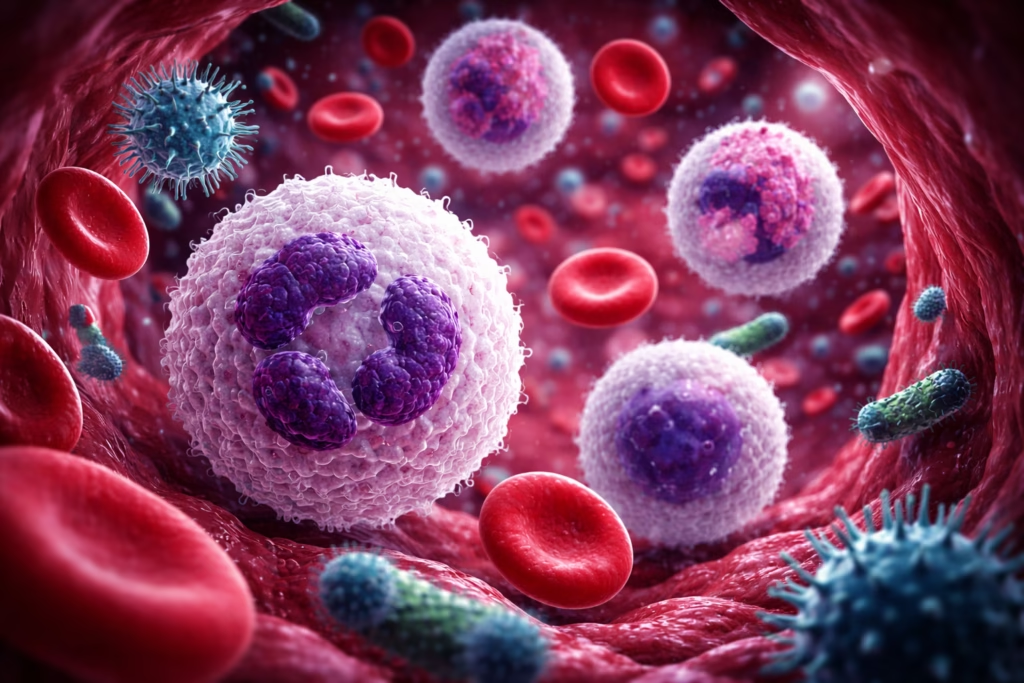
Table of Contents
White blood cells (WBCs), also known as leukocytes, are a critical part of the body’s immune system. They help defend against infections, fight foreign invaders, and play a role in inflammation and immune regulation. When white blood cells are too few, too many, or do not function properly, it can lead to a group of conditions known as white blood cell disorders.
These disorders can range from mild and temporary to serious and life-threatening. Understanding how they develop, what symptoms to watch for, and how they are treated can help individuals seek appropriate medical care and improve outcomes.
Overview / Definition
White blood cell disorders involve abnormalities in the number or function of leukocytes. There are five main types of white blood cells, each with a distinct role:
- Neutrophils – Fight bacterial and fungal infections
- Lymphocytes – Include B cells and T cells; central to immune response
- Monocytes – Help remove pathogens and dead cells
- Eosinophils – Involved in allergic reactions and parasitic infections
- Basophils – Play a role in allergic and inflammatory responses
Disorders may involve:
- Leukopenia – A low white blood cell count
- Neutropenia – Low neutrophil levels
- Leukocytosis – An elevated white blood cell count
- Lymphocytosis – Increased lymphocytes
- Leukemia – A type of blood cancer affecting white blood cells
These abnormalities may be temporary (such as during infection) or chronic, depending on the underlying cause.
Causes or Risk Factors
White blood cell disorders can arise from various conditions affecting the bone marrow (where blood cells are produced), the immune system, or systemic health.
Common Causes of Low White Blood Cells (Leukopenia)
- Viral infections (e.g., influenza, HIV)
- Autoimmune diseases (e.g., lupus, rheumatoid arthritis)
- Chemotherapy or radiation therapy
- Bone marrow disorders (e.g., aplastic anemia)
- Certain medications (e.g., immunosuppressants)
- Severe nutritional deficiencies (e.g., vitamin B12, folate)
Common Causes of High White Blood Cells (Leukocytosis)
- Acute or chronic infections
- Inflammatory conditions
- Stress (physical or emotional)
- Smoking
- Certain medications (e.g., corticosteroids)
- Leukemia and other bone marrow cancers
Risk Factors
- History of cancer treatment
- Autoimmune disorders
- Chronic infections
- Genetic conditions affecting bone marrow function
- Long-term exposure to toxins (e.g., benzene)
Symptoms or Clinical Presentation
Symptoms depend on whether white blood cells are low, high, or malfunctioning.
Low White Blood Cells
When WBC levels are too low, the body becomes more vulnerable to infections. Symptoms may include:
- Recurrent infections
- Fever and chills
- Sore throat
- Mouth ulcers
- Persistent fatigue
Severe neutropenia, in particular, can result in life-threatening infections.
High White Blood Cells
Elevated WBC levels may be a sign of infection, inflammation, or blood disorders. Symptoms may include:
- Fever
- Night sweats
- Unexplained weight loss
- Swollen lymph nodes
- Fatigue or weakness
- Easy bruising or bleeding (in some leukemias)
In some cases, especially mild leukocytosis, individuals may have no noticeable symptoms.
Diagnosis or Screening
White blood cell disorders are often detected through routine blood testing.
Common Diagnostic Tests
- Complete Blood Count (CBC): Measures total and differential WBC counts
- Peripheral Blood Smear: Examines the appearance of blood cells under a microscope
- Bone Marrow Biopsy: Assesses bone marrow function and detects malignancy
- Immunophenotyping / Flow Cytometry: Identifies abnormal immune cell populations
- Genetic Testing: Detects chromosomal abnormalities in certain blood cancers
The diagnostic approach depends on whether the abnormality is mild, persistent, or accompanied by concerning symptoms.
Treatment or Management Options
Treatment depends on the underlying cause, severity, and overall health of the patient.
Management of Low White Blood Cells
- Treat underlying cause (e.g., infection, autoimmune disorder)
- Growth factors (e.g., granulocyte colony-stimulating factor, G-CSF)
- Antibiotics or antifungals to prevent or treat infections
- Medication adjustments if drug-induced
- Bone marrow transplant in severe cases
Management of High White Blood Cells
- Treat infection or inflammation
- Corticosteroids for immune-related causes
- Targeted therapy or chemotherapy for leukemia
- Immunotherapy in certain cancers
Monitoring through repeat blood tests is often necessary to track progress and treatment response.
Prevention or Lifestyle Considerations
Not all white blood cell disorders are preventable, especially those related to genetic causes or cancer. However, certain measures can support immune health and reduce risk:
- Maintain a balanced diet rich in vitamins and minerals
- Practice good hygiene to reduce infection risk
- Avoid smoking and toxin exposure
- Stay current with recommended vaccinations
- Follow medical guidance during chemotherapy or immunosuppressive therapy
For individuals with chronic white blood cell abnormalities, preventive infection-control measures such as avoiding large crowds during outbreaks may be recommended by healthcare providers.
Conclusion
White blood cell disorders encompass a wide range of conditions that affect immune function. Whether marked by too few or too many white blood cells, these abnormalities can significantly influence the body’s ability to fight infection and maintain health. Early detection through blood testing, accurate diagnosis, and appropriate treatment are essential for effective management.
If you experience persistent infections, unexplained fatigue, fevers, or abnormal laboratory results, seeking medical evaluation is important.
Disclaimer: This article is for educational purposes only and does not replace professional medical advice. If you have concerns about your blood counts or symptoms, consult a qualified healthcare professional for personalized guidance and appropriate care.
Was this page helpful?
Thanks for your feedback! What could we improve?
Thank you! Your feedback helps us improve our guides.
Our Health A–Z guides are written by the True Impact Health Editorial Team and based on reliable sources such as public health agencies, clinical guidelines and peer-reviewed research. This guide has not yet been medically reviewed. Read our editorial process.
This content is for general information and is not a substitute for professional medical advice, diagnosis or treatment.