












Health A–Z guide
West Nile Virus
West Nile Virus: Causes, Symptoms, Prevention, and What You Need to Know
West Nile virus (WNV) is a mosquito-borne infection that affects thousands of people worldwide each year. While many individuals who contract the virus experience no symptoms, others may develop mild…
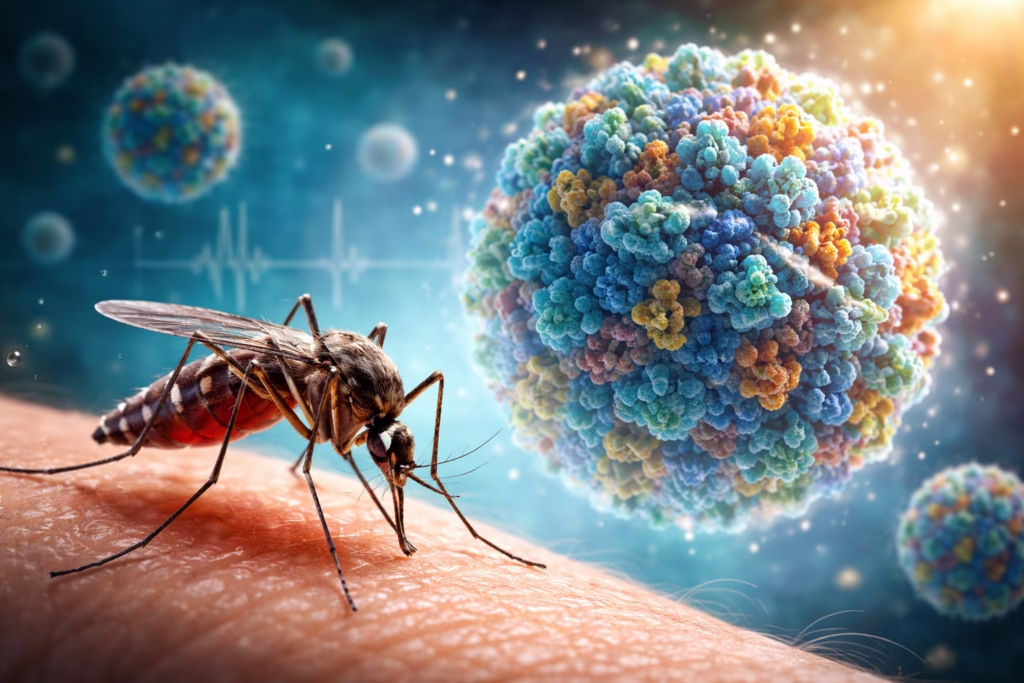
Table of Contents
West Nile virus (WNV) is a mosquito-borne infection that affects thousands of people worldwide each year. While many individuals who contract the virus experience no symptoms, others may develop mild flu-like illness—or in rare cases, severe neurological disease. Understanding how West Nile virus spreads, its symptoms, and effective prevention strategies can help reduce the risk of infection and complications.
This guide provides a clear, medically accurate overview of West Nile virus, including causes, diagnosis, treatment options, and prevention measures.
Overview: What Is West Nile Virus?
West Nile virus is an arbovirus (arthropod-borne virus) that primarily spreads to humans through the bite of infected mosquitoes. First identified in Uganda in 1937, it is now found in many parts of the world, including North America, Europe, Africa, the Middle East, and parts of Asia.
WNV belongs to the Flavivirus genus, which includes viruses such as dengue, Zika, and yellow fever. While most infections are asymptomatic, a small percentage can lead to serious neurological complications.
Causes and Risk Factors
How Is West Nile Virus Transmitted?
The primary transmission cycle involves:
- Birds (natural hosts of the virus)
- Mosquitoes (which become infected after feeding on infected birds)
- Humans and other mammals, who become infected when bitten by an infected mosquito
Humans are considered “dead-end hosts,” meaning they generally do not spread the virus further.
Less Common Modes of Transmission
Although rare, West Nile virus can also be transmitted through:
- Blood transfusions
- Organ transplants
- From mother to baby during pregnancy, delivery, or breastfeeding
- Laboratory exposure
Risk Factors
Anyone living in or traveling to areas where WNV is present can be infected. However, certain factors increase the risk of severe disease:
- Age over 60 years
- Weakened immune system
- Chronic medical conditions such as:
- Diabetes
- Hypertension
- Kidney disease
- Cancer
Mosquito exposure risk increases during:
- Warm weather months
- Dusk and dawn (peak mosquito activity)
- Outdoor activities near standing water
Symptoms and Clinical Presentation
1. Asymptomatic Infection
Approximately 70–80% of infected individuals experience no symptoms.
2. West Nile Fever (Mild Illness)
About 20% develop a mild to moderate illness known as West Nile fever. Symptoms typically appear 2–14 days after infection and may include:
- Fever
- Headache
- Fatigue
- Muscle aches
- Joint pain
- Nausea or vomiting
- Skin rash
- Swollen lymph nodes
Most people recover fully within days to weeks, though fatigue may persist.
3. Severe Neuroinvasive Disease
Less than 1% of infected individuals develop severe disease affecting the nervous system, such as:
- Meningitis (inflammation of the membranes around the brain and spinal cord)
- Encephalitis (brain inflammation)
- Acute flaccid paralysis
Warning signs of severe illness include:
- High fever
- Severe headache
- Neck stiffness
- Confusion or altered mental status
- Tremors
- Seizures
- Muscle weakness or paralysis
- Coma
Neuroinvasive disease can result in long-term neurological complications or, in rare cases, death.
Diagnosis and Screening
Diagnosis is typically based on:
Clinical Evaluation
- Symptoms consistent with viral infection
- Recent mosquito exposure
- Residence in or travel to affected regions
Laboratory Testing
Confirmation requires laboratory testing, including:
- Serologic testing for IgM antibodies against WNV in blood or cerebrospinal fluid
- Polymerase chain reaction (PCR) testing in certain cases
- Lumbar puncture (spinal tap) if neurological symptoms are present
Routine screening is not recommended for asymptomatic individuals, except in contexts such as blood donation screening.
Treatment and Management Options
There is currently no specific antiviral treatment for West Nile virus. Management is supportive and focuses on relieving symptoms and preventing complications.
For Mild Illness
- Rest
- Adequate hydration
- Over-the-counter pain relievers (as directed by healthcare providers)
For Severe Disease
Hospitalization may be required, with interventions such as:
- Intravenous fluids
- Respiratory support if breathing is impaired
- Pain management
- Monitoring for neurological complications
Recovery from neuroinvasive disease can take weeks to months, and some patients may experience lasting neurological deficits.
Research continues into vaccines and antiviral therapies, but none are currently approved for routine human use.
Prevention and Lifestyle Considerations
Prevention focuses primarily on reducing mosquito exposure.
Personal Protective Measures
- Use EPA-registered insect repellents (e.g., DEET, picaridin)
- Wear long sleeves and pants when outdoors
- Avoid being outside during peak mosquito activity (dusk and dawn)
- Use window screens and air conditioning when possible
Environmental Control
- Remove standing water from:
- Flower pots
- Buckets
- Bird baths
- Gutters
- Maintain swimming pools properly
- Support community mosquito control programs
Travel Considerations
Before traveling:
- Check public health advisories for WNV activity
- Pack approved insect repellent
- Stay in accommodations with mosquito barriers
There is currently no licensed vaccine for humans, making mosquito prevention the most effective strategy.
Conclusion
West Nile virus is a mosquito-borne infection that is often mild or asymptomatic but can occasionally cause serious neurological disease. While there is no specific antiviral treatment, most individuals recover fully with supportive care. Older adults and those with underlying health conditions are at greater risk for severe complications.
The most effective protection against West Nile virus is minimizing mosquito exposure through personal protective measures and environmental control. Remaining informed and vigilant—especially during peak mosquito seasons—can significantly reduce your risk.
Disclaimer:
This article is intended for educational purposes only and does not replace professional medical advice. If you experience symptoms suggestive of West Nile virus or have concerns about your health, please consult a qualified healthcare professional for appropriate evaluation and care.
Was this page helpful?
Thanks for your feedback! What could we improve?
Thank you! Your feedback helps us improve our guides.
Our Health A–Z guides are written by the True Impact Health Editorial Team and based on reliable sources such as public health agencies, clinical guidelines and peer-reviewed research. This guide has not yet been medically reviewed. Read our editorial process.
This content is for general information and is not a substitute for professional medical advice, diagnosis or treatment.