














Health A–Z guide
Vaginal Health
Vaginal Health: What Every Woman Should Know
Vaginal health is a vital part of overall well-being, yet it is often overlooked or misunderstood. The vagina is a self-regulating, dynamic organ with a...
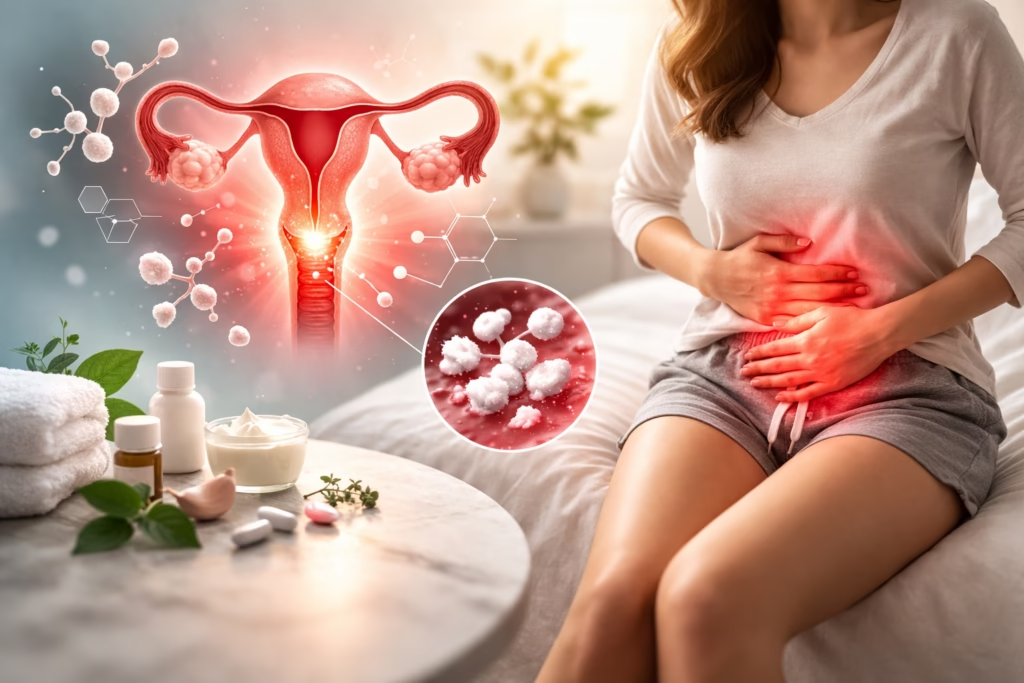
Table of Contents
Vaginal health is a vital part of overall well-being, yet it is often overlooked or misunderstood. The vagina is a self-regulating, dynamic organ with a delicate balance of bacteria, hormones, and pH levels. When this balance is disrupted, it can lead to discomfort, infections, or other medical conditions.
Understanding how the vagina functions, and how to care for it, can help prevent common problems and promote long-term reproductive and sexual health. This guide explores vaginal health in clear, medically accurate terms to empower you with reliable, evidence-based information.
Overview: What Is Vaginal Health?
Vaginal health refers to the proper functioning and balance of the vaginal environment. A healthy vagina typically:
- Maintains a slightly acidic pH (around 3.8–4.5)
- Contains beneficial bacteria, primarily Lactobacillus species
- Produces normal discharge that may vary throughout the menstrual cycle
- Is free from persistent itching, unusual odors, pain, or irritation
It’s important to distinguish between the vagina (the internal canal connecting the cervix to the outside of the body) and the vulva (the external genital area). Both play essential roles in reproductive and sexual health.
When the delicate vaginal ecosystem is disrupted, conditions such as infections, inflammation, or hormonal imbalances may occur.
Common Causes and Risk Factors Affecting Vaginal Health
Many factors can influence vaginal health. Some are biological, while others relate to lifestyle or hygiene practices.
1. Hormonal Changes
Fluctuations in estrogen levels can impact the vaginal lining and pH. These changes may occur during:
- Menstruation
- Pregnancy
- Breastfeeding
- Perimenopause and menopause
- Use of hormonal contraception
2. Infections
Common vaginal infections include:
- Bacterial vaginosis (BV): Caused by an imbalance in vaginal bacteria
- Yeast infections (candidiasis): Due to overgrowth of Candida fungi
- Sexually transmitted infections (STIs): Such as chlamydia, gonorrhea, and trichomoniasis
3. Hygiene and Personal Care Practices
- Douching (which disrupts natural bacterial balance)
- Use of scented soaps, sprays, or wipes
- Tight, non-breathable clothing
4. Medications
- Antibiotics (which may reduce beneficial bacteria)
- Steroids
- Chemotherapy
5. Medical Conditions
- Diabetes (especially poorly controlled)
- Weakened immune system
Symptoms and Clinical Presentation
Symptoms of vaginal health issues can vary depending on the underlying cause. It’s important to recognize changes from your personal “normal.”
Common Warning Signs:
- Unusual discharge (change in color, thickness, or odor)
- Persistent itching or irritation
- Burning sensation (especially during urination)
- Pain during intercourse (dyspareunia)
- Vaginal dryness
- Pelvic discomfort
Some infections may be asymptomatic, particularly certain STIs, which highlights the importance of routine screening for sexually active individuals.
Diagnosis and Screening
Healthcare providers use a combination of medical history, physical exams, and laboratory tests to diagnose vaginal conditions.
Diagnostic Tools May Include:
- Pelvic examination
- Microscopic evaluation of vaginal discharge
- Vaginal pH testing
- Swabs for bacterial, fungal, or STI testing
- Pap smear (for cervical cancer screening)
- HPV testing
Routine gynecological visits play a key role in maintaining vaginal and reproductive health. Screening intervals vary based on age, risk factors, and medical guidelines.
Treatment and Management Options
Treatment depends on the underlying cause. Proper diagnosis is essential before starting therapy.
1. For Bacterial Infections
- Prescription antibiotics (oral or vaginal)
- Completing the full treatment course is crucial
2. For Yeast Infections
- Antifungal creams or suppositories
- Oral antifungal medications in some cases
3. For Hormone-Related Vaginal Changes
- Vaginal moisturizers or lubricants
- Low-dose vaginal estrogen therapy for menopausal symptoms (under medical supervision)
4. For STIs
- Targeted antimicrobial therapy
- Partner notification and treatment may be required
Self-treatment without proper diagnosis can sometimes worsen symptoms or mask serious conditions, so medical evaluation is recommended if symptoms persist.
Prevention and Lifestyle Considerations
Maintaining vaginal health often involves simple, evidence-based practices.
Everyday Tips:
- Avoid douching—the vagina cleans itself naturally
- Wash the vulva gently with warm water (mild, unscented soap if desired)
- Wear breathable, cotton underwear
- Change out of wet clothing promptly
- Practice safe sex (use of condoms reduces STI risk)
- Maintain good blood sugar control if diabetic
- Complete prescribed medications as directed
Support Healthy Vaginal Flora:
- Avoid unnecessary antibiotic use
- Discuss probiotic use with a healthcare provider
- Choose fragrance-free personal care products
When to Seek Medical Care
Contact a healthcare professional if you experience:
- Persistent or worsening symptoms
- Foul-smelling discharge
- Pelvic pain
- Fever
- Symptoms that recur frequently
Early evaluation helps ensure effective treatment and prevents complications.
Conclusion
Vaginal health is an essential part of a woman’s overall physical and reproductive well-being. A healthy vagina maintains a natural balance of bacteria, hormones, and pH levels that protect against infection and discomfort. Hormonal shifts, infections, medications, and lifestyle habits can all influence this delicate ecosystem.
By understanding normal changes, recognizing warning signs, and adopting preventive habits, individuals can reduce their risk of common vaginal conditions. Routine screening and open communication with healthcare providers are key components of long-term vaginal health.
Disclaimer: This article is intended for educational purposes only and does not replace professional medical advice. If you are experiencing symptoms or have concerns about your vaginal health, please consult a qualified healthcare provider for proper evaluation and guidance.
Was this page helpful?
Thanks for your feedback! What could we improve?
Thank you! Your feedback helps us improve our guides.
Our Health A–Z guides are written by the True Impact Health Editorial Team and based on reliable sources such as public health agencies, clinical guidelines and peer-reviewed research. This guide has not yet been medically reviewed. Read our editorial process.
This content is for general information and is not a substitute for professional medical advice, diagnosis or treatment.