








Health A–Z guide
Spinal Conditions
Spinal Conditions: Understanding Causes, Symptoms, Diagnosis, and Treatment
The spine is the central support structure of the human body. It protects the spinal cord, enables movement, and provides stability for daily activities like walking, bending, and lifting. When…
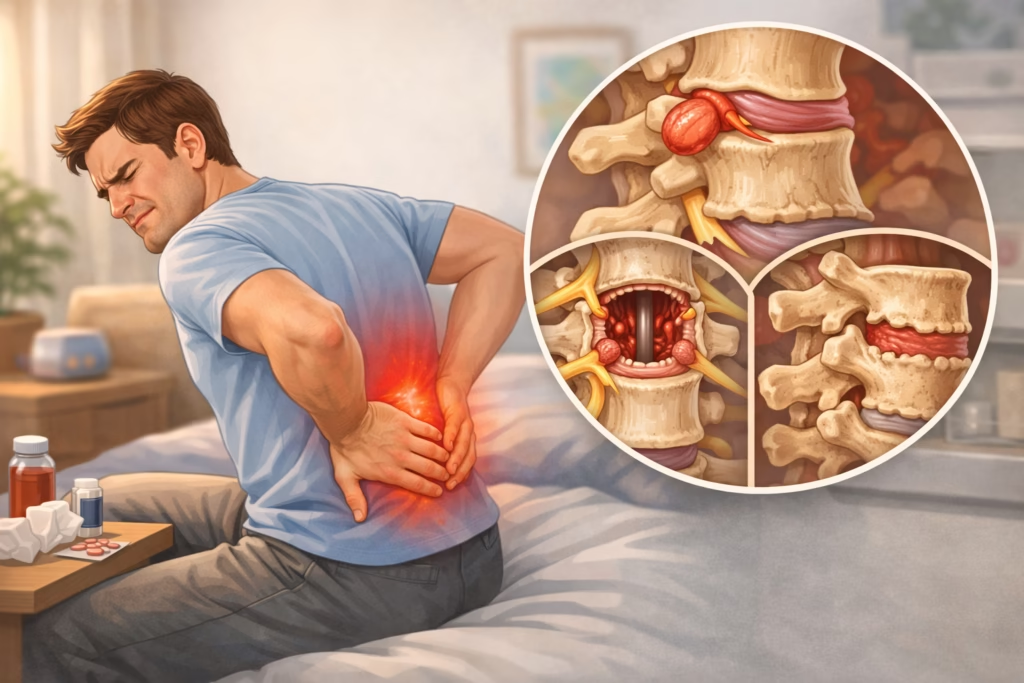
Table of Contents
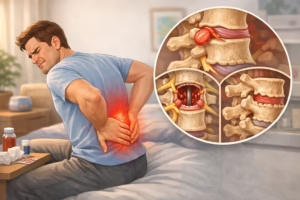
The spine is the central support structure of the human body. It protects the spinal cord, enables movement, and provides stability for daily activities like walking, bending, and lifting. When something goes wrong with this intricate system of bones, discs, nerves, and muscles, a range of spinal conditions can develop—sometimes causing pain, weakness, or reduced mobility.
Spinal conditions are common and can affect people of all ages, from children with structural abnormalities to adults experiencing age-related degeneration. This article provides a clear, medically grounded overview of spinal conditions, including their causes, symptoms, diagnosis, treatment options, and prevention strategies.
Overview / Definition
Spinal conditions refer to disorders affecting the structures of the spine, including:
- Vertebrae (bones)
- Intervertebral discs
- Spinal cord
- Nerves
- Muscles and ligaments
These conditions may be degenerative, congenital, traumatic, inflammatory, infectious, or neoplastic (tumor-related) in origin.
Common spinal conditions include:
- Herniated (slipped) disc
- Spinal stenosis
- Degenerative disc disease
- Scoliosis
- Spondylolisthesis
- Spinal fractures
- Sciatica
- Ankylosing spondylitis
- Spinal tumors or infections
Spinal problems may affect different regions:
- Cervical spine (neck)
- Thoracic spine (mid-back)
- Lumbar spine (lower back) — most commonly affected
Causes and Risk Factors
Spinal conditions can develop for various reasons. Some are preventable, while others result from natural aging or underlying disease.
Common Causes
- Age-related degeneration (wear and tear of discs and joints)
- Injury or trauma (falls, accidents, sports injuries)
- Poor posture or repetitive strain
- Heavy lifting or improper body mechanics
- Congenital structural abnormalities
- Inflammatory disorders
- Infections
- Tumors
Risk Factors
Certain factors increase the likelihood of developing spinal problems:
- Advancing age
- Sedentary lifestyle
- Obesity
- Smoking (impairs disc nutrition and healing)
- Occupational hazards (heavy labor or prolonged sitting)
- Family history of spinal disorders
- Osteoporosis (increases fracture risk)
Understanding risk factors allows for earlier intervention and preventive care.
Symptoms or Clinical Presentation
Symptoms vary widely depending on the type and severity of the condition, as well as the part of the spine involved.
Common Symptoms
- Back or neck pain
- Radiating pain into arms or legs
- Numbness or tingling
- Muscle weakness
- Stiffness or limited mobility
- Postural changes
- Muscle spasms
For example:
- Sciatica typically causes pain radiating from the lower back down one leg.
- Cervical spinal stenosis may cause hand numbness and coordination problems.
- Spinal cord compression can lead to balance issues or in severe cases, bladder or bowel dysfunction.
When to Seek Urgent Medical Attention
Immediate evaluation is necessary if symptoms include:
- Sudden loss of bowel or bladder control
- Progressive weakness
- Severe trauma
- Unexplained weight loss with persistent back pain
- Fever with back pain (possible infection)
Diagnosis or Screening
Accurate diagnosis is essential for appropriate treatment.
Medical Evaluation
Healthcare professionals typically begin with:
- Detailed medical history
- Physical examination
- Neurological assessment (reflexes, strength, sensation)
Imaging Studies
Depending on symptoms, imaging may include:
- X-rays – Assess bone alignment or fractures
- MRI (Magnetic Resonance Imaging) – Evaluates discs, nerves, and soft tissue
- CT scans – Detailed bone imaging
- Bone density tests – Assess osteoporosis risk
Additional Testing
- Electromyography (EMG) to evaluate nerve function
- Blood tests (if infection or inflammatory condition is suspected)
Routine screening for spinal conditions is not typically recommended in asymptomatic individuals, but early evaluation of persistent pain improves outcomes.
Treatment or Management Options
Treatment depends on the specific diagnosis, severity, and patient factors. Many spinal conditions improve with conservative management.
Conservative (Non-Surgical) Treatments
Often the first-line approach includes:
- Physical therapy
- Strengthening core and back muscles
- Improving posture and flexibility
- Medications
- Nonsteroidal anti-inflammatory drugs (NSAIDs)
- Muscle relaxants
- Short-term pain relievers
- Activity modification
- Heat or cold therapy
- Epidural steroid injections (in select cases)
The majority of acute low back pain episodes resolve within weeks with conservative care.
Surgical Treatment
Surgery may be considered when:
- Conservative treatments fail
- Symptoms worsen
- Significant nerve compression occurs
- Spinal instability exists
- Progressive neurological impairment is present
Common surgical procedures include:
- Discectomy (removal of herniated disc material)
- Laminectomy (relieving spinal stenosis)
- Spinal fusion (stabilizing vertebrae)
- Artificial disc replacement
Surgical decisions are individualized and based on careful assessment.
Prevention and Lifestyle Considerations
While not all spinal conditions can be prevented, certain measures reduce risk and promote spinal health.
Evidence-Based Prevention Strategies
- ✅ Maintain a healthy weight
- ✅ Exercise regularly (strength training and flexibility exercises)
- ✅ Practice proper lifting techniques
- ✅ Sit with ergonomic support
- ✅ Avoid prolonged inactivity
- ✅ Stop smoking
- ✅ Ensure adequate calcium and vitamin D intake
Core Strength Matters
Strengthening abdominal and back muscles supports spinal alignment and reduces mechanical stress—one of the most effective preventive measures.
Living with Chronic Spinal Conditions
Some individuals experience chronic back or neck conditions. Long-term management may involve:
- Guided physical therapy
- Pain management programs
- Cognitive behavioral therapy for chronic pain
- Regular monitoring by healthcare providers
- Adaptive lifestyle modifications
With proper treatment and lifestyle adjustments, many people maintain active, productive lives.
Conclusion
Spinal conditions encompass a wide range of disorders affecting the backbone and surrounding structures. While causes vary—from age-related wear to injuries and underlying disease—many conditions respond well to early diagnosis and conservative treatment.
Key takeaways:
- Back and neck pain are common but should be evaluated if persistent or severe.
- Lifestyle factors play a major role in spinal health.
- Early intervention often prevents progression.
- Surgical treatment is reserved for specific cases.
Maintaining spinal health through movement, posture, and preventive care can significantly reduce long-term complications.
Disclaimer
This article is provided for educational purposes only and does not constitute medical advice. If you are experiencing symptoms or have concerns about your spine, please consult a qualified healthcare professional for proper evaluation and personalized treatment recommendations.
Was this page helpful?
Thanks for your feedback! What could we improve?
Thank you! Your feedback helps us improve our guides.
Our Health A–Z guides are written by the True Impact Health Editorial Team and based on reliable sources such as public health agencies, clinical guidelines and peer-reviewed research. This guide has not yet been medically reviewed. Read our editorial process.
This content is for general information and is not a substitute for professional medical advice, diagnosis or treatment.