















Health A–Z guide
Sore Throat
Sore Throat: Causes, Symptoms, and When to Seek Care
A sore throat is one of the most common health complaints across all age groups. Whether it’s a scratchy irritation that appears with a cold or a painful swallowing experience…
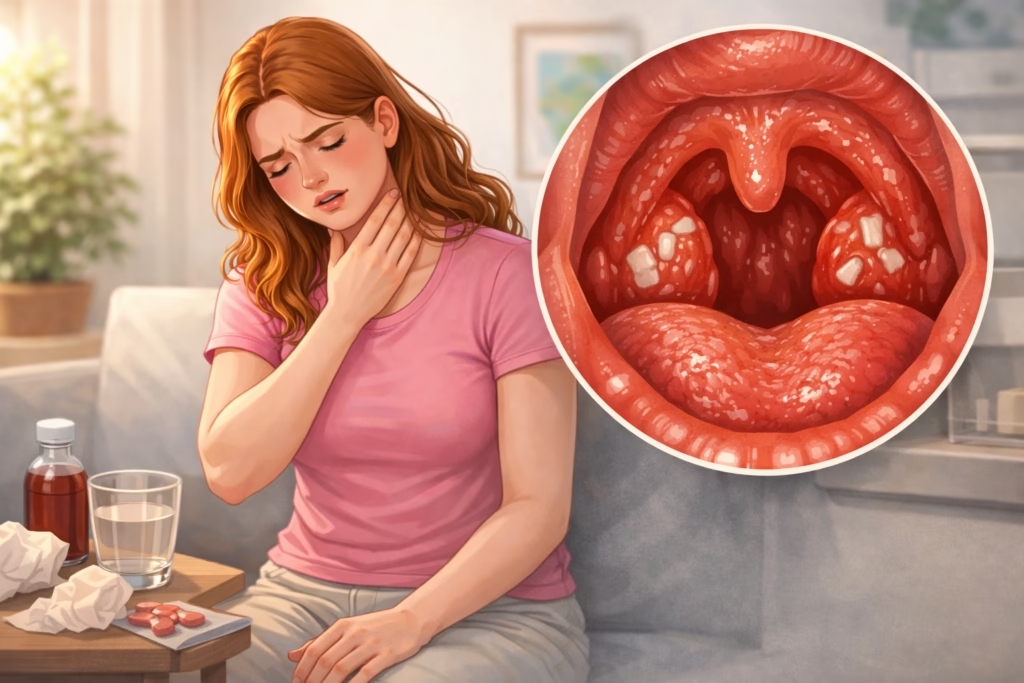
Table of Contents
A sore throat is one of the most common health complaints across all age groups. Whether it’s a scratchy irritation that appears with a cold or a painful swallowing experience that disrupts your daily routine, most people will experience a sore throat multiple times throughout their lives. While many cases are mild and resolve on their own, some may signal a more serious underlying condition requiring medical attention.
This article explores what a sore throat is, its causes, symptoms, diagnosis, treatment options, and preventive strategies—using clear, medically accurate information to help you better understand this common condition.
Overview / Definition
A sore throat, medically referred to as pharyngitis, is pain, irritation, or scratchiness in the throat that often worsens with swallowing. It typically involves inflammation of the:
- Pharynx (back of the throat)
- Tonsils
- Larynx (voice box) in some cases
Sore throats may be caused by infections (viral or bacterial) or non-infectious factors such as allergies, dry air, or environmental irritants.
Most sore throats are short-lived and resolve without complications. However, identifying the underlying cause is important for proper management.
Causes and Risk Factors
Sore throats can result from a variety of infectious and non-infectious causes.
1. Viral Infections (Most Common Cause)
Viruses account for the majority of sore throat cases. Common viral causes include:
- Common cold (rhinovirus)
- Influenza (flu)
- COVID-19
- Infectious mononucleosis (Epstein-Barr virus)
- Respiratory syncytial virus (RSV)
These infections often present with additional symptoms such as cough, runny nose, or fatigue.
2. Bacterial Infections
The most significant bacterial cause is Group A Streptococcus, which leads to “strep throat.” Unlike viral infections, strep throat may require antibiotic treatment to prevent complications.
3. Allergies
Allergic reactions to pollen, dust, mold, or pet dander can trigger throat irritation due to:
- Postnasal drip
- Inflammation of airway tissues
4. Environmental and Lifestyle Factors
Non-infectious causes include:
- Dry indoor air
- Air pollution or smoke exposure
- Excessive voice use (shouting, singing)
- Acid reflux (gastroesophageal reflux disease or GERD)
5. Other Causes
Less commonly, persistent sore throat may be related to:
- Tonsillitis
- Peritonsillar abscess
- Tumors (rare)
- Immune-related conditions
Symptoms and Clinical Presentation
The symptoms of a sore throat vary depending on the underlying cause.
Common Symptoms
- Pain or scratchy sensation in the throat
- Difficulty or pain when swallowing
- Redness or swelling in the throat
- Hoarseness
- Swollen glands in the neck
Signs Suggesting Viral Infection
- Cough
- Runny or stuffy nose
- Sneezing
- Low-grade fever
- Body aches
Signs Suggesting Strep Throat (Bacterial)
- Sudden onset of throat pain
- Fever (often above 101°F or 38.3°C)
- Swollen, tender lymph nodes
- White patches or pus on tonsils
- Absence of cough
Seek medical attention promptly for concerning symptoms such as:
- Difficulty breathing
- Severe difficulty swallowing
- Drooling (especially in children)
- High or persistent fever
- Rash (may suggest scarlet fever)
Diagnosis and Screening
In many cases, healthcare providers can determine the likely cause through:
1. Medical History
Discussing symptoms, duration, exposure to others who are ill, and accompanying complaints.
2. Physical Examination
Inspecting the throat for redness, swelling, exudates (white patches), and checking lymph nodes.
3. Diagnostic Tests (When Necessary)
- Rapid strep test – Detects Group A Streptococcus
- Throat culture – Confirms bacterial infection if rapid test is negative but suspicion remains
- Additional testing if conditions like mononucleosis are suspected
Antibiotics are prescribed only if a bacterial infection is confirmed.
Treatment and Management Options
Treatment depends entirely on the underlying cause.
1. Viral Sore Throat
Because viruses do not respond to antibiotics, management focuses on symptom relief:
- Rest and adequate hydration
- Warm saltwater gargles
- Throat lozenges
- Over-the-counter pain relievers (e.g., acetaminophen or ibuprofen)
- Humidifiers to moisten indoor air
Symptoms usually improve within 3–7 days.
2. Bacterial Sore Throat (Strep Throat)
Treatment typically includes:
- Prescribed antibiotics (commonly penicillin or amoxicillin)
- Completion of the full antibiotic course to prevent complications
Prompt treatment reduces the risk of complications such as:
- Rheumatic fever
- Kidney inflammation (post-streptococcal glomerulonephritis)
- Abscess formation
3. Allergy-Related Sore Throat
Management may involve:
- Antihistamines
- Nasal corticosteroid sprays
- Avoidance of known allergens
4. Acid Reflux–Related Throat Irritation
- Dietary modifications
- Smaller meals
- Avoiding late-night eating
- Acid-reducing medications when indicated
Persistent or recurrent sore throats should be evaluated by a healthcare provider to rule out chronic conditions.
Prevention and Lifestyle Considerations
While not all sore throats can be prevented, certain strategies may reduce the risk:
Infection Prevention
- Practice good hand hygiene
- Avoid close contact with individuals who are sick
- Cover coughs and sneezes
- Stay up to date with recommended vaccinations (e.g., influenza vaccine)
Environmental Protection
- Use a humidifier in dry climates
- Avoid exposure to tobacco smoke
- Limit time in heavily polluted environments
General Health Measures
- Get adequate sleep
- Maintain balanced nutrition
- Stay hydrated
- Manage stress levels
These habits support immune function and overall respiratory health.
When to Seek Medical Attention
Consider consulting a healthcare professional if:
- A sore throat lasts longer than one week
- Symptoms are severe or rapidly worsening
- There is difficulty breathing or swallowing
- High fever persists
- You suspect strep throat, especially in children
Early evaluation helps ensure appropriate treatment and prevents complications.
Conclusion
A sore throat is a common but multifaceted symptom with causes ranging from mild viral infections to bacterial illnesses and environmental irritants. Most cases resolve with rest and supportive care, while some—such as strep throat—require specific treatment. Understanding the symptoms and possible causes can help individuals recognize when home care is sufficient and when professional evaluation is necessary.
Disclaimer: This article is for educational purposes only and does not substitute for professional medical advice. If you have concerns about a sore throat or related symptoms, consult a qualified healthcare provider for proper evaluation and treatment.
Was this page helpful?
Thanks for your feedback! What could we improve?
Thank you! Your feedback helps us improve our guides.
Our Health A–Z guides are written by the True Impact Health Editorial Team and based on reliable sources such as public health agencies, clinical guidelines and peer-reviewed research. This guide has not yet been medically reviewed. Read our editorial process.
This content is for general information and is not a substitute for professional medical advice, diagnosis or treatment.