














Health A–Z guide
Skin Care
Skin Care: A Comprehensive Guide to Healthy, Resilient Skin
Healthy skin is more than a cosmetic goal, it is a vital component of overall health. As the body’s largest organ, the skin serves as a protective barrier, regulates temperature,…
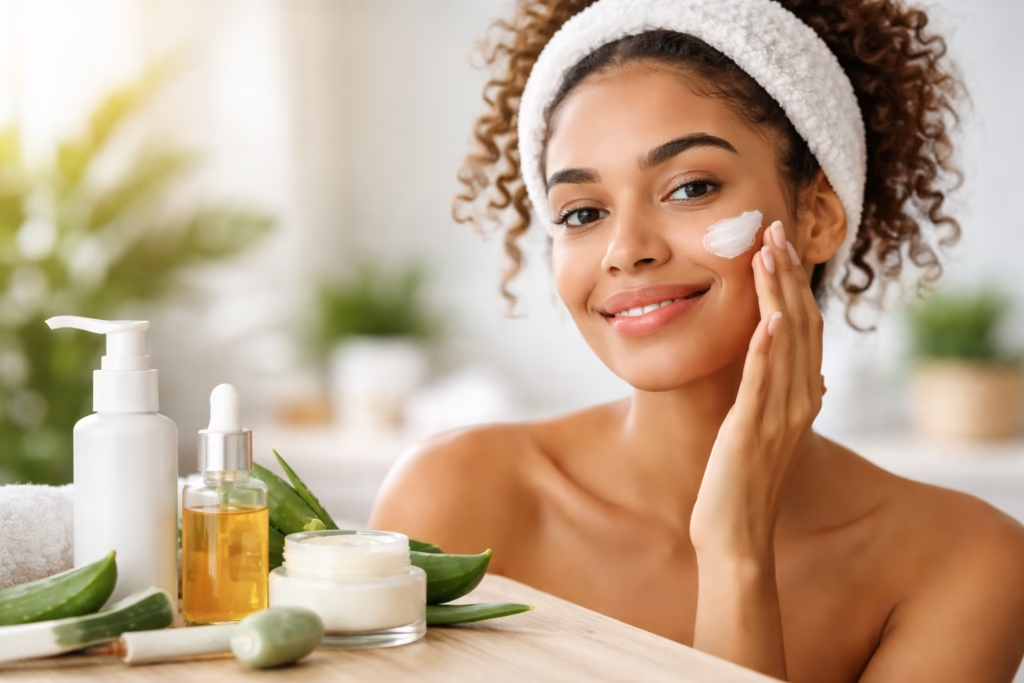
Table of Contents

Healthy skin is more than a cosmetic goal, it is a vital component of overall health. As the body’s largest organ, the skin serves as a protective barrier, regulates temperature, supports immune defense, and helps prevent dehydration. Understanding proper skin care involves knowing how skin functions, what affects its health, and how to manage common concerns safely and effectively.
This guide provides a medically accurate, evidence-based overview of skin care, including causes of common skin problems, prevention strategies, and treatment options.
Overview: What Is Skin Care?
Skin care refers to the practices, products, and medical treatments used to maintain skin health, prevent damage, and manage dermatological conditions.
The skin consists of three primary layers:
- Epidermis – The outer layer that provides a waterproof barrier and skin tone.
- Dermis – Contains collagen, elastin, hair follicles, sweat glands, and immune cells.
- Subcutaneous tissue – Fat and connective tissue that insulates and cushions the body.
Proper skin care helps:
- Protect against environmental damage (UV radiation, pollution)
- Maintain hydration and barrier function
- Prevent infections
- Slow visible signs of aging
- Manage inflammatory or chronic skin conditions
Causes and Risk Factors Affecting Skin Health
Many internal and external factors influence skin health. Understanding these can help prevent common issues.
1. Environmental Factors
- Ultraviolet (UV) radiation (sun exposure)
- Air pollution
- Extreme weather (cold, heat, humidity)
- Low indoor humidity
2. Lifestyle Factors
- Smoking
- Poor nutrition
- Inadequate hydration
- Lack of sleep
- Chronic stress
3. Biological and Medical Factors
- Genetics
- Hormonal changes (puberty, pregnancy, menopause)
- Aging (natural collagen loss)
- Chronic diseases (e.g., diabetes, autoimmune disorders)
- Medications
4. Skincare Misuse
- Over-exfoliation
- Use of harsh cleansers
- Frequent product changes
- Inappropriate treatments for skin type
Symptoms and Clinical Presentations of Common Skin Issues
Skin concerns may vary widely depending on cause and individual characteristics. Common manifestations include:
- Dryness or flaking
- Redness or inflammation
- Acne lesions (whiteheads, blackheads, cysts)
- Hyperpigmentation
- Fine lines and wrinkles
- Itching or irritation
- Rashes or scaling patches
Persistent or severe symptoms—such as rapidly changing moles, non-healing wounds, or widespread rashes—require medical evaluation.
Diagnosis and Screening
Most routine skin concerns are identified through clinical assessment. A healthcare provider, typically a dermatologist, may:
- Take a detailed medical and lifestyle history
- Perform a visual examination
- Use dermoscopy for pigmented lesions
- Conduct skin biopsies if necessary
- Recommend allergy testing for contact dermatitis
Skin Cancer Screening
Regular skin examinations are important for early detection of skin cancer. Patients are encouraged to:
- Perform monthly self-exams
- Monitor for changes using the ABCDE rule:
- Asymmetry
- Border irregularity
- Color variation
- Diameter > 6 mm
- Evolving shape or size
Routine screenings may be advised for individuals at higher risk.
Treatment and Management Options
Skin care treatment depends on the concern, skin type, and medical history.
1. Basic Skincare Routine
A medically supported basic routine typically includes:
- Gentle cleanser (pH-balanced, non-stripping)
- Moisturizer suited to skin type
- Broad-spectrum sunscreen (SPF 30 or higher) daily
2. Targeted Treatments
Depending on the condition:
- Topical retinoids – For acne, photoaging
- Benzoyl peroxide or salicylic acid – For acne management
- Topical corticosteroids – For inflammatory skin conditions (short-term use)
- Vitamin C serums – For antioxidant support
- Hydroquinone or other depigmenting agents – For hyperpigmentation (under supervision)
3. Professional Dermatologic Procedures
- Chemical peels
- Laser therapy
- Microneedling
- Cryotherapy (for certain lesions)
- Prescription medications (oral antibiotics, isotretinoin, biologics)
Treatment plans should be individualized and guided by a qualified healthcare professional.
Prevention and Lifestyle Considerations
Preventive skin care reduces the risk of both cosmetic and medical skin concerns.
Sun Protection
Daily sun protection is the most evidence-supported measure to prevent:
- Premature aging
- Sunburn
- Hyperpigmentation
- Skin cancer
Protective strategies include:
- Broad-spectrum sunscreen (SPF 30+)
- Protective clothing and hats
- Seeking shade during peak UV hours
Nutrition and Hydration
A balanced diet rich in:
- Antioxidants (fruits and vegetables)
- Omega-3 fatty acids (fish, flaxseed)
- Vitamins A, C, and E
- Zinc
supports skin structure and immune defense.
Adequate hydration helps maintain skin elasticity and barrier function.
Healthy Habits
- Avoid smoking
- Manage stress
- Get sufficient sleep (7–9 hours)
- Avoid excessive alcohol consumption
- Use gentle skin products appropriate for your skin type
Special Considerations for Different Skin Types
Oily or Acne-Prone Skin
- Use non-comedogenic products
- Avoid heavy occlusive creams
- Cleanse gently 1–2 times daily
Dry or Sensitive Skin
- Limit fragrance exposure
- Use ceramide-rich moisturizers
- Avoid over-exfoliation
Aging Skin
- Incorporate retinoids and antioxidants (as tolerated)
- Maintain strict sun protection
- Consider dermatologist-guided treatments
Conclusion
Skin care is an essential component of overall health—not merely a cosmetic routine. By understanding how the skin functions, recognizing risk factors, and adopting evidence-based prevention and treatment strategies, individuals can maintain healthy, resilient skin throughout life.
The foundation of good skin care includes:
- Gentle cleansing
- Consistent moisturizing
- Daily sun protection
- Early evaluation of concerning changes
Because skin conditions vary widely in cause and severity, persistent or unusual symptoms should always be evaluated by a qualified healthcare professional.
Disclaimer:
This article is for educational purposes only and does not constitute medical advice. For diagnosis, treatment recommendations, or concerns about specific skin conditions, please consult a licensed healthcare professional or dermatologist.
Was this page helpful?
Thanks for your feedback! What could we improve?
Thank you! Your feedback helps us improve our guides.
Our Health A–Z guides are written by the True Impact Health Editorial Team and based on reliable sources such as public health agencies, clinical guidelines and peer-reviewed research. This guide has not yet been medically reviewed. Read our editorial process.
This content is for general information and is not a substitute for professional medical advice, diagnosis or treatment.