














Health A–Z guide
Sexually Transmitted Diseases (STDs)
Sexually Transmitted Diseases (STDs): A Comprehensive Guide to Causes, Symptoms, Testing, and Prevention
Sexually transmitted diseases (STDs), also commonly referred to as sexually transmitted infections (STIs), are infections primarily spread through sexual contact. They are among the most common infectious diseases worldwide and…
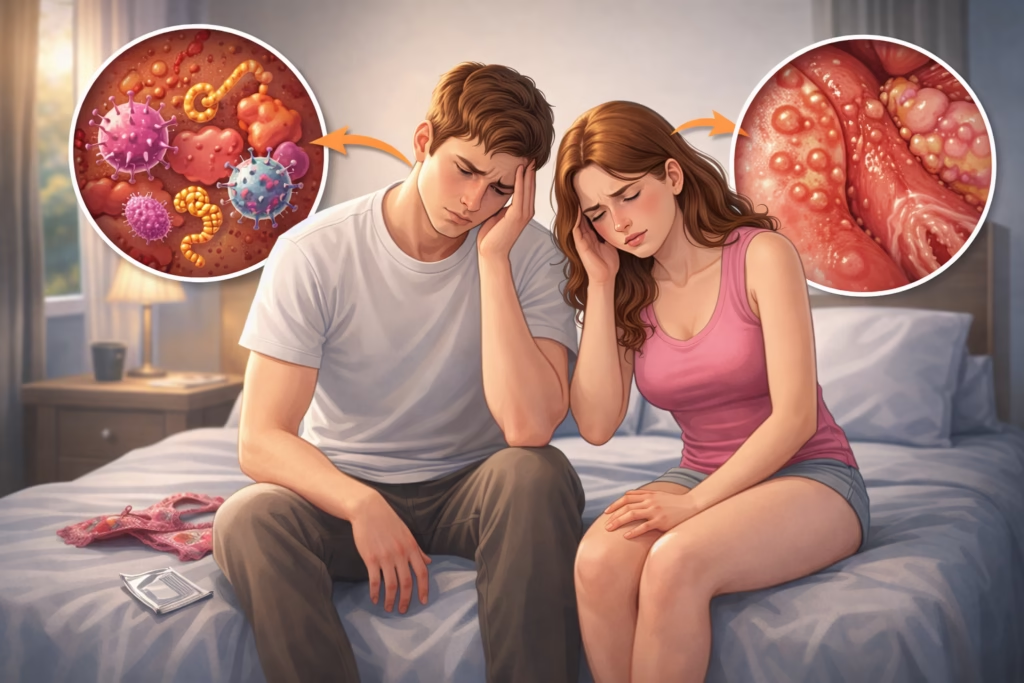
Table of Contents
Sexually transmitted diseases (STDs), also commonly referred to as sexually transmitted infections (STIs), are infections primarily spread through sexual contact. They are among the most common infectious diseases worldwide and can affect anyone who is sexually active, regardless of age, gender, or background.
While some STDs cause noticeable symptoms, many can remain silent for months or even years. Left untreated, certain infections may lead to serious health complications. The good news is that most STDs are preventable, and many are treatable.
This guide provides an evidence-based overview of STDs, including how they spread, common symptoms, how they’re diagnosed, available treatments, and effective prevention strategies.
Overview / Definition
Sexually transmitted diseases (STDs) are infections caused by bacteria, viruses, or parasites that are primarily transmitted through sexual activity. This includes vaginal, anal, and oral sex. Some infections can also be transmitted through:
- Skin-to-skin genital contact
- Blood exposure (e.g., shared needles)
- Pregnancy, childbirth, or breastfeeding (from parent to child)
Common STDs include:
- Chlamydia (bacterial)
- Gonorrhea (bacterial)
- Syphilis (bacterial)
- Human papillomavirus (HPV) (viral)
- HIV (Human Immunodeficiency Virus) (viral)
- Herpes simplex virus (HSV) (viral)
- Hepatitis B (viral)
- Trichomoniasis (parasitic)
Some STDs are curable (such as chlamydia and gonorrhea), while others are manageable but not curable (such as HIV and herpes).
Causes and Risk Factors
STDs are caused by infectious organisms transmitted primarily through sexual contact. The likelihood of acquiring an STD depends on several behavioral and biological factors.
Common Risk Factors
- Having unprotected sex (without condoms or other barrier protection)
- Multiple sexual partners
- A partner who has multiple partners
- Previous history of STDs
- Inconsistent or incorrect condom use
- Sharing needles or injection equipment
- Lack of routine screening
Biological Factors
Certain factors may increase susceptibility:
- Younger age (particularly individuals under 25)
- Biological susceptibility in females due to cervical tissue anatomy
- Weakened immune systems
- Presence of another STD (which can increase HIV transmission risk)
Importantly, anyone who is sexually active can be at risk, even in long-term or seemingly monogamous relationships if testing has not occurred.
Symptoms and Clinical Presentation
Many STDs cause mild or no symptoms, especially in the early stages. This is why routine screening is critical.
When symptoms do occur, they may vary depending on the specific infection.
Common Symptoms May Include:
- Unusual vaginal, penile, or rectal discharge
- Pain or burning during urination
- Genital sores, ulcers, or blisters
- Genital itching or irritation
- Pelvic or abdominal pain
- Pain during sexual intercourse
- Rash (particularly in syphilis)
- Swollen lymph nodes
- Flu-like symptoms (common in early HIV infection)
Asymptomatic Infections
Examples of STDs that are frequently asymptomatic include:
- Chlamydia
- Gonorrhea
- HPV
- Early-stage HIV
Because symptoms may be absent, individuals can unknowingly transmit infections to partners.
Diagnosis and Screening
Accurate diagnosis is essential for proper treatment and preventing complications.
Screening Methods May Include:
- Urine tests (commonly used for chlamydia and gonorrhea)
- Blood tests (for HIV, syphilis, hepatitis B)
- Swabs of genital, oral, or rectal areas
- Pap smear and HPV testing (for cervical cancer screening)
- Physical examination of visible sores or lesions
Who Should Be Screened?
Guidelines vary by country, but generally:
- Sexually active individuals under 25 should be screened regularly for chlamydia and gonorrhea
- Pregnant individuals are routinely screened for certain STDs
- People with new or multiple partners should consider routine testing
- Anyone with symptoms should seek evaluation
- Individuals at higher risk (e.g., men who have sex with men, people with HIV) may need more frequent screening
Early diagnosis allows for timely treatment and reduces transmission risk.
Treatment and Management Options
Treatment depends on the type of infection.
Bacterial STDs (Often Curable)
- Chlamydia, gonorrhea, and syphilis are treated with antibiotics
- Prompt treatment usually prevents complications
- Sexual partners should also be treated to prevent reinfection
Viral STDs (Manageable, Not Curable)
- HIV: Treated with antiretroviral therapy (ART), which controls the virus and can reduce transmission risk to near zero when viral load is undetectable
- Herpes (HSV): Antiviral medications reduce outbreaks and transmission risk
- HPV: No cure for the virus itself, but warts and complications can be treated
Parasitic Infections
- Trichomoniasis is treated with prescription antiparasitic medication
Potential Complications if Untreated
- Pelvic inflammatory disease (PID)
- Infertility
- Chronic pelvic pain
- Ectopic pregnancy
- Organ damage (e.g., from untreated syphilis)
- Increased HIV transmission risk
- Certain cancers (e.g., HPV-related cervical cancer)
Early treatment significantly reduces long-term health consequences.
Prevention and Lifestyle Considerations
Prevention plays a critical role in reducing STD transmission.
Evidence-Based Prevention Strategies:
- Consistent and correct condom use during vaginal, anal, and oral sex
- HPV vaccination (recommended in adolescence and early adulthood)
- Hepatitis B vaccination
- Regular STD screening
- Mutual monogamy with a tested partner
- Pre-exposure prophylaxis (PrEP) for individuals at high risk of HIV
- Avoiding sexual activity while experiencing symptoms
Communication Matters
Open discussions with partners about testing history, protection methods, and sexual health contribute significantly to reducing risk.
Conclusion
Sexually transmitted diseases (STDs) are common but largely preventable infections that can affect anyone who is sexually active. Many STDs do not cause noticeable symptoms, making regular screening essential. While bacterial infections are often curable, viral infections can typically be effectively managed with modern medical treatments.
Prevention strategies, such as condom use, vaccination, routine testing, and open communication, are powerful tools in protecting both individual and public health. Early detection and treatment not only prevent complications but also reduce the spread of infection.
Disclaimer: This article is intended for educational purposes only and does not constitute personalized medical advice. If you have symptoms, concerns, or questions about sexually transmitted infections, consult a qualified healthcare professional for appropriate evaluation and care.
Was this page helpful?
Thanks for your feedback! What could we improve?
Thank you! Your feedback helps us improve our guides.
Our Health A–Z guides are written by the True Impact Health Editorial Team and based on reliable sources such as public health agencies, clinical guidelines and peer-reviewed research. This guide has not yet been medically reviewed. Read our editorial process.
This content is for general information and is not a substitute for professional medical advice, diagnosis or treatment.