












Health A–Z guide
Pneumonia
Pneumonia: Causes, Symptoms, Diagnosis, and Treatment
Pneumonia is a common yet potentially serious respiratory infection that affects millions of people worldwide each year. While many cases are mild and resolve with appropriate treatment, pneumonia can become…
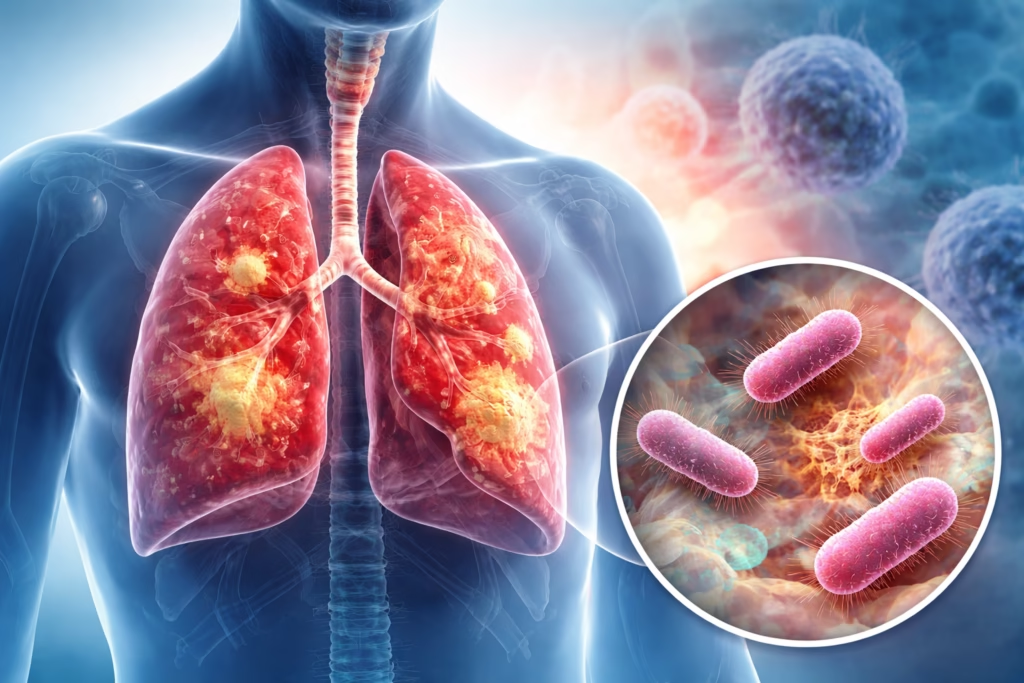
Table of Contents
Pneumonia is a common yet potentially serious respiratory infection that affects millions of people worldwide each year. While many cases are mild and resolve with appropriate treatment, pneumonia can become life-threatening—especially in young children, older adults, and individuals with weakened immune systems. Understanding the causes, warning signs, and treatment options is essential for early recognition and proper care.
This article provides a clear, evidence-based overview of pneumonia, including how it develops, who is at risk, and how it can be prevented.
Overview / Definition
Pneumonia is an infection of one or both lungs that causes inflammation in the air sacs (alveoli). These air sacs can fill with fluid or pus, making it difficult for oxygen to pass into the bloodstream effectively.
Pneumonia can range from mild to severe, depending on:
- The type of microorganism causing the infection
- The individual’s age and overall health
- How quickly treatment is initiated
There are several types of pneumonia, including:
- Community-acquired pneumonia (CAP): Occurs outside of hospitals or healthcare facilities
- Hospital-acquired pneumonia (HAP): Develops during a hospital stay
- Ventilator-associated pneumonia (VAP): Occurs in people using mechanical ventilation
- Aspiration pneumonia: Caused by inhaling food, liquid, or vomit into the lungs
Causes and Risk Factors
Causes
Pneumonia can be caused by various infectious agents, including:
1. Bacteria
- The most common cause in adults is Streptococcus pneumoniae
- Other bacteria: Haemophilus influenzae, Mycoplasma pneumoniae, Legionella pneumophila
2. Viruses
- Influenza (flu)
- Respiratory syncytial virus (RSV)
- SARS-CoV-2 (COVID-19)
- Other common cold viruses
3. Fungi
- More common in people with weakened immune systems
- Examples include Pneumocystis jirovecii and certain environmental fungi
Risk Factors
Certain groups are more vulnerable to pneumonia, including:
- Adults aged 65 years or older
- Children under 5 years
- Smokers
- Individuals with chronic lung diseases (e.g., COPD, asthma)
- People with weakened immune systems
- Those with heart disease, diabetes, or kidney disease
- Individuals who are hospitalized or on ventilators
- People with swallowing difficulties
Symptoms / Clinical Presentation
Symptoms of pneumonia can vary depending on the cause, severity, and age of the patient. Common signs and symptoms include:
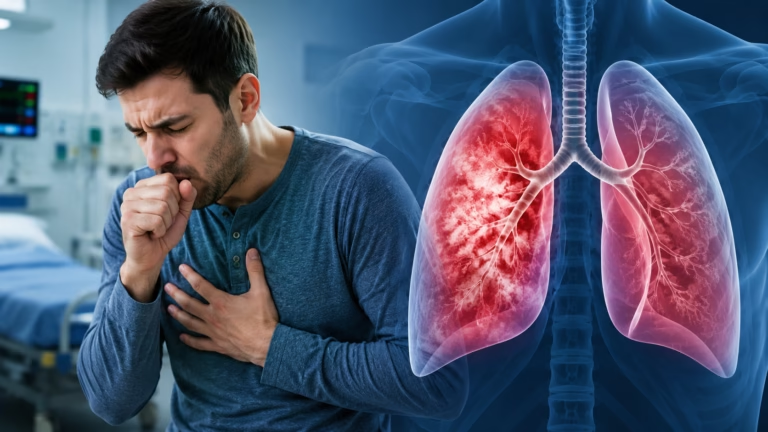
- Persistent cough (may produce green, yellow, or bloody mucus)
- Fever and chills
- Shortness of breath
- Chest pain that worsens during breathing or coughing
- Fatigue
- Loss of appetite
- Sweating
- Nausea, vomiting, or diarrhea (more common in viral pneumonia)
In Older Adults
Older individuals may experience fewer typical symptoms. Instead, they may show:
- Confusion or altered mental status
- Sudden decline in functional ability
- Lower-than-normal body temperature
Infants and young children may present with:
- Rapid breathing
- Wheezing
- Poor feeding
- Irritability
Diagnosis and Screening
Pneumonia is typically diagnosed through a combination of clinical evaluation and diagnostic testing.
Clinical Assessment
A healthcare provider may:
- Review medical history and symptoms
- Perform a physical exam using a stethoscope to listen for abnormal lung sounds (e.g., crackles)
Diagnostic Tests
Common tests include:
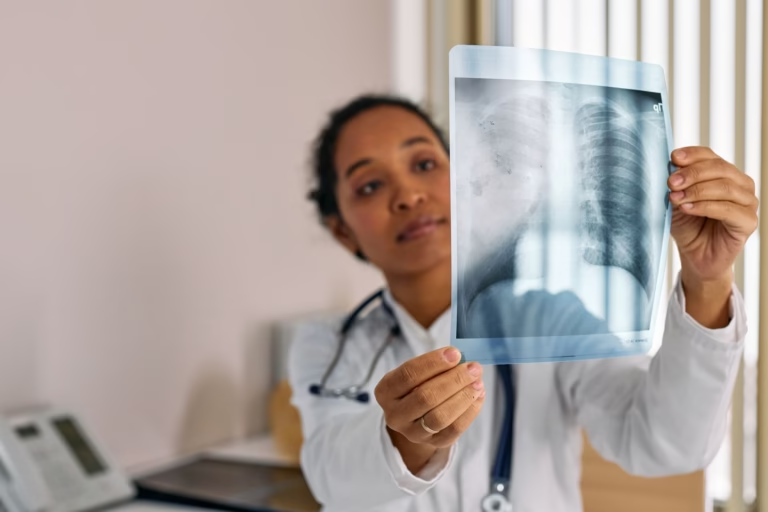
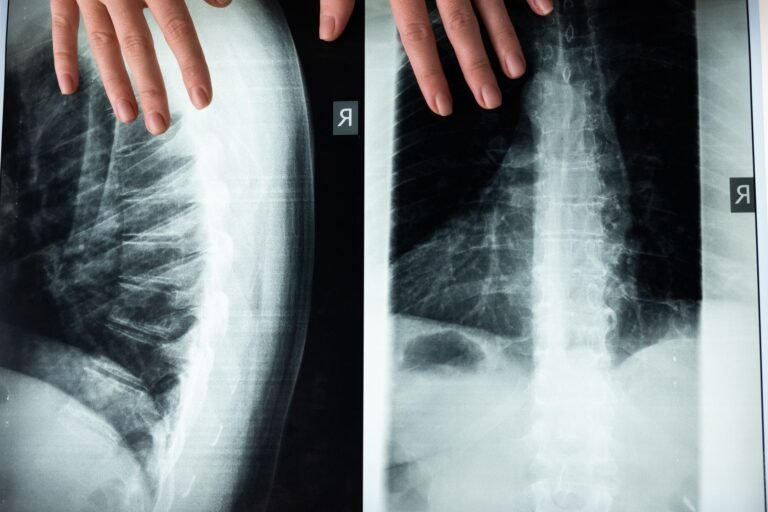
- Chest X-ray: Confirms the presence of lung inflammation
- Blood tests: To detect infection and assess severity
- Pulse oximetry: Measures blood oxygen levels
- Sputum culture: Identifies the specific organism causing infection
- CT scan: In complicated or unclear cases
Hospitalization may be required if there are signs of severe illness, low oxygen levels, or high-risk medical conditions.
Treatment and Management Options
Treatment depends on the cause and severity of pneumonia.
1. Bacterial Pneumonia
- Antibiotics are the primary treatment
- It is important to complete the full prescribed course
2. Viral Pneumonia
- Often treated with supportive care
- Antiviral medications may be used in certain cases (e.g., influenza)
3. Supportive Care
Regardless of the cause, treatments may include:
- Adequate rest
- Increased fluid intake
- Fever reducers (e.g., acetaminophen or ibuprofen)
- Oxygen therapy in moderate-to-severe cases
- Mechanical ventilation in critical cases
When Is Hospitalization Necessary?
Hospital care may be required if the patient:
- Has low oxygen levels
- Experiences rapid breathing or difficulty breathing
- Is unable to maintain hydration
- Has significant underlying medical conditions
Most otherwise healthy individuals begin improving within a few days of appropriate treatment, though fatigue and cough may persist for weeks.
Prevention and Lifestyle Considerations
Prevention plays a key role in reducing the incidence and severity of pneumonia.
Vaccination
Vaccines are among the most effective preventive measures:
- Pneumococcal vaccines (recommended for older adults and high-risk individuals)
- Annual influenza vaccine
- COVID-19 vaccine
- Routine childhood immunizations (e.g., Hib vaccine)
Hygiene Practices
- Wash hands frequently
- Cover coughs and sneezes
- Avoid close contact with sick individuals
Healthy Lifestyle Habits
- Stop smoking
- Maintain a balanced diet
- Exercise regularly
- Manage chronic diseases effectively
Smoking cessation, in particular, significantly reduces lung infection risk and improves overall respiratory health.
When to Seek Medical Attention
Immediate medical evaluation is important if someone experiences:
- Difficulty breathing
- Chest pain
- Persistent high fever
- Bluish lips or fingertips
- Confusion or altered mental state
Early treatment can prevent complications such as pleural effusion (fluid around the lungs), lung abscess, or sepsis.
Conclusion
Pneumonia is a potentially serious lung infection that can affect individuals of all ages. While many cases are manageable with appropriate treatment, early recognition is critical—especially in high-risk populations. Understanding the causes, symptoms, diagnosis, and prevention strategies empowers individuals to seek timely care and minimize complications.
Vaccination, healthy lifestyle habits, and prompt medical evaluation remain central to reducing the burden of pneumonia worldwide.
Disclaimer:
This article is intended for educational purposes only and does not replace professional medical advice. If you suspect pneumonia or have concerns about your health, please consult a qualified healthcare professional for proper evaluation and treatment.
Was this page helpful?
Thanks for your feedback! What could we improve?
Thank you! Your feedback helps us improve our guides.
Our Health A–Z guides are written by the True Impact Health Editorial Team and based on reliable sources such as public health agencies, clinical guidelines and peer-reviewed research. This guide has not yet been medically reviewed. Read our editorial process.
This content is for general information and is not a substitute for professional medical advice, diagnosis or treatment.